As of June 28, 2026, rooftop solar and home energy systems look and perform very differently than they did a decade ago. Breakthroughs in cell design, building‑integrated photovoltaics, smarter inverters and mature home batteries are making solar homes more efficient, less obtrusive, and better able to support home resilience and grid services (perovskite‑silicon tandem progress; BIPV product rollouts; residential batteries and updated safety standards).
What “new solar” means for homes today
New solar homes combine several trends: higher‑efficiency PV modules (more energy per roof area), building‑integrated PV products that blend with roofing materials, advanced inverter and control options that improve performance and grid interaction, and residential battery systems that enable backup power and time‑shifted consumption. These improvements change installation choices, economics and permitting compared with older systems.
PV cell and module advances
Commercial module efficiency is rising through both incremental silicon improvements and emerging tandem technologies. High‑efficiency silicon architectures—TOPCon, HJT and back‑contact cells—are mainstream in manufacturing and are pushing panel efficiencies upward (industry summaries, 2025) (see: industry trade reports). Meanwhile, perovskite‑silicon tandem cells have moved beyond lab demos into early commercial products and full‑sized modules with demonstrated efficiencies near 25% in recent reports—higher than many single‑junction silicon panels—offering more energy from the same roof area (Fraunhofer ISE / Oxford PV, 2024–2025) (NREL tandem research overview).
For homeowners this means either fitting more generation on constrained roof area or achieving the same output with fewer panels—shortening payback in many markets where insolation or roof area are limiting factors.
Aesthetics and building‑integrated PV (BIPV)
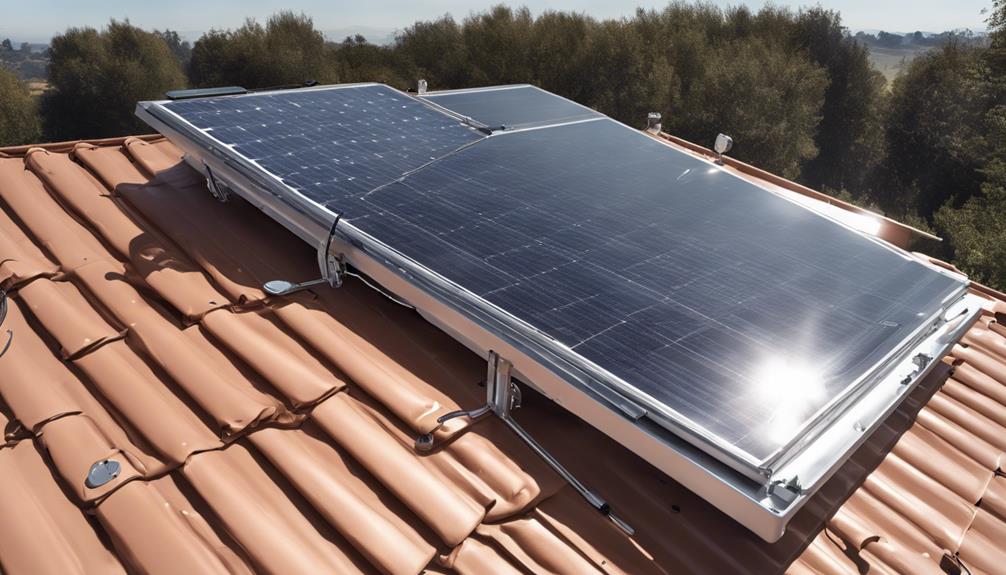
To address aesthetic concerns and simplify roofs, several BIPV options are commercially available: solar shingles/tiles, integrated roofing panels, and prefabricated façade elements. These products aim to meet both roofing and PV electrical safety standards (for example UL 7103 for PV roofing) and have gained approvals from major manufacturers and third‑party labs (example: GAF Timberline solar roofing system product releases and approvals, 2024–2026).
Tradeoffs: BIPV can look cleaner than rack‑mounted modules and may simplify permitting in some markets, but cost per watt and installation complexity can be higher. Roof replacement timing, roof pitch and shading remain key determinants of the best approach.
Balance of system and controls
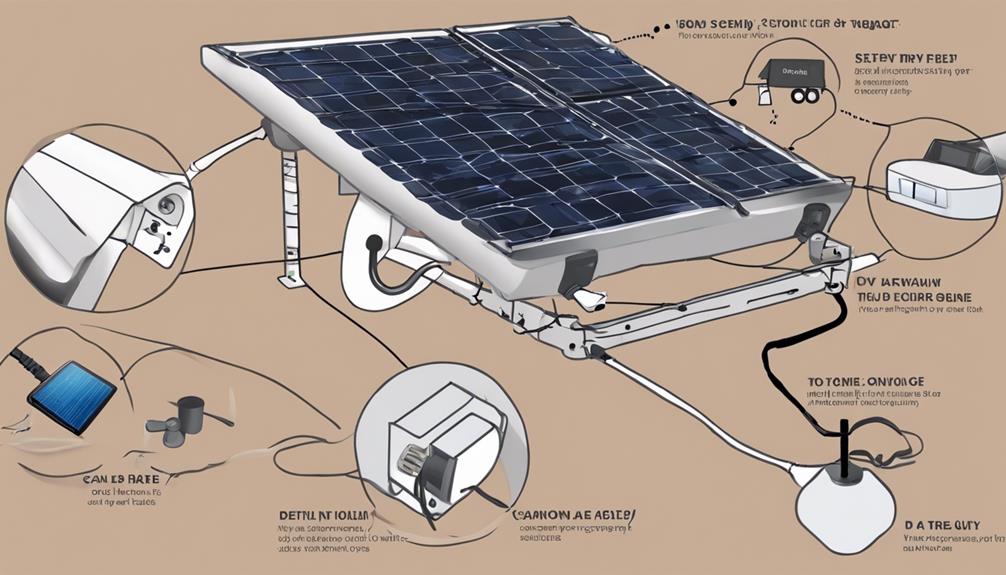
Advances in the balance of system make panels more productive and systems easier to operate. Options now commonly include bifacial modules (capture reflected light), microinverters and string inverters with power optimizers, and grid‑forming inverter capabilities for resilient backup. Smart energy management systems (EMS) coordinate PV production, battery charging and home loads to prioritize resilience, self‑consumption or export to the grid depending on settings and utility rules.
Choosing between microinverters, optimizers or string inverters depends on shading, system size and serviceability preferences; installers should explain the tradeoffs.
Storage and resilience
Residential battery systems are more capable and compact than earlier generations. Commercial examples (Tesla Powerwall 3, Enphase IQ Battery 5P) offer higher continuous and peak power for whole‑home backup or partial backup scenarios; these units meet energy storage system (ESS) safety and performance regimes and are installed in thousands of homes (product datasheets, 2024–2026). Battery installations and safety are governed by NEC 2023 changes and UL 9540 certification requirements for ESS equipment and systems.
Features to consider: AC‑coupled vs DC‑coupled integration, islanding and black‑start capability (grid‑forming inverters), and whether the system participates in utility demand programs or Virtual Power Plants (VPPs) that can earn revenue.
Codes, safety and incentives
In the U.S., NEC 2023 introduced specific provisions for ESS and PV integration—installers must follow local code adoption and AHJ interpretation (NEC 2023 summaries). UL listings (UL 7103 for PV roofing and UL 9540 for energy storage) are important for safety approval and permitting.
Federal incentives materially affect homeowner economics: the Residential Clean Energy Credit (Internal Revenue Code Sec. 25D under the Inflation Reduction Act) provided a 30% tax credit for qualifying residential solar and storage equipment placed in service (IRS FAQ, updated Jan 18, 2026). State net‑metering and interconnection rules vary, so check local utility policies before sizing a system.
Costs, lifecycle and environmental notes
Installed costs have generally trended down but depend on product choice (BIPV typically higher than standard racking) and local labor. High‑efficiency modules and paired storage can increase upfront cost but improve lifetime production and resilience. Recycling and end‑of‑life planning for modules and batteries is becoming part of regulations and manufacturer programs—ask installers about take‑back or recycling options.
Quick homeowner checklist
- Confirm roof age and condition; consider roof replacement timing for BIPV options.
- Ask for UL listings (UL 7103, UL 9540) and NEC‑compliant designs in the proposal.
- Request production estimates using realistic shading and orientation data.
- Compare inverter and storage topology (microinverters vs optimizers vs string; AC vs DC coupling).
- Confirm warranties (modules, inverters, batteries) and installer certification.
- Check available incentives and net‑metering rules; confirm IRS guidance at filing (IRS FAQ, Jan 18, 2026).
Outlook (next 3–5 years)
Expect incremental cost improvements, wider availability of perovskite‑silicon tandem modules as manufacturers scale, growth in BIPV product lines, and smarter EMS / VPP participation. These changes are likely to make solar+storage more attractive for tighter roofs and homeowners seeking resilience—without the bulky aesthetic tradeoffs often associated with older systems. Verify product specs, standards and incentives at time of purchase (information above current as of June 28, 2026).
Sources
- Fraunhofer ISE / Oxford PV press releases and tandem module reports (2024–2025).
- Industry summaries on high‑efficiency silicon architectures (TOPCon, HJT) and module trends (2025).
- GAF Energy Timberline product information and approvals (example BIPV product pages, 2024–2026).
- Tesla Powerwall 3 and Enphase residential battery datasheets (2024–2026).
- IRS FAQ: Residential Clean Energy Credit (updated Jan 18, 2026).
- NEC 2023 code summaries and UL standards (UL 7103, UL 9540) for PV roofing and ESS.
- NREL reports on tandem PV research and solar‑plus‑storage (NREL news, 2024–2026).
- SEIA / Wood Mackenzie Solar Market Insight reports for U.S. market context (2025–2026).
If you want a longer, publish‑ready draft with inline URL references and suggested images/captions, I can expand this into a 900–1,200 word article tailored to homeowners.