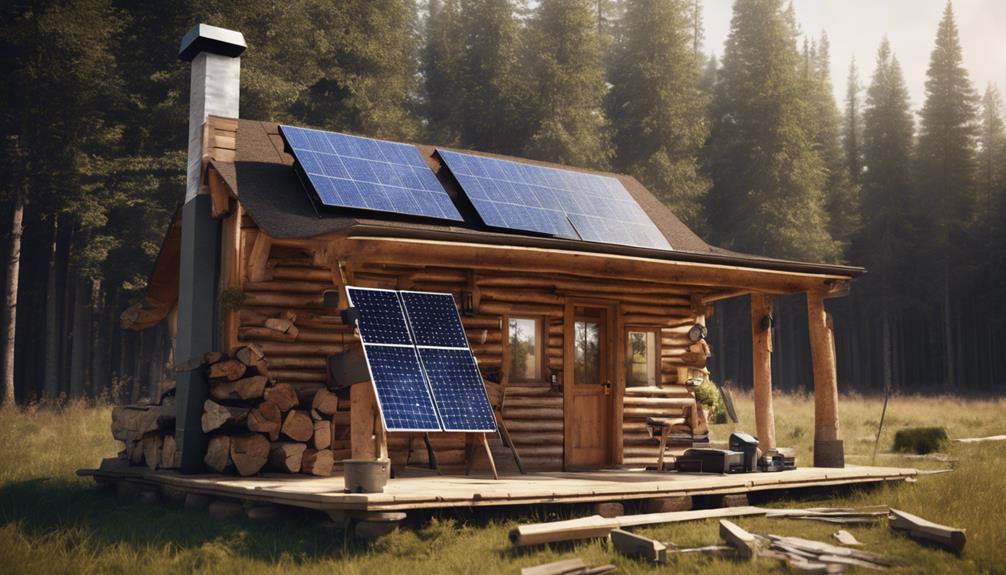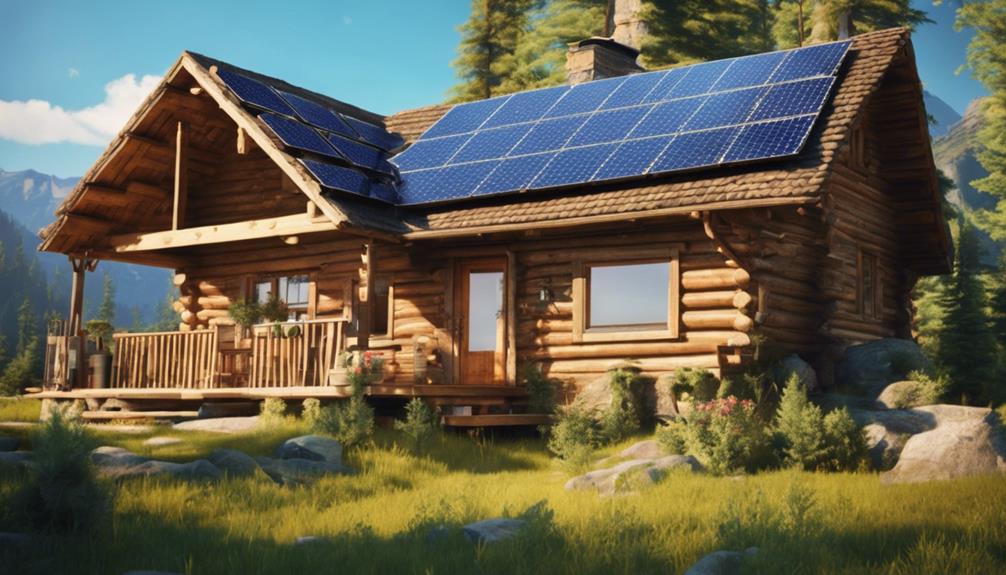
Deciding to put solar PV on a cabin starts with how you use the place, not with how many modules you can fit on the roof. Before signing a contract or buying equipment, define your occupancy pattern, critical loads, and whether you need outage resilience or simply lower utility bills. This guide walks cabin owners through the key planning steps—site and roof suitability, choosing a system architecture, realistic sizing, permitting and interconnection, and what to ask prospective installers.
Choose the right cabin solar setup first
Start by selecting the system architecture; it drives equipment, cost, and permitting.
- Grid-connected (grid-tied, no battery): Common for lowering electricity purchases. Typically shuts down in a grid outage unless paired with special inverters or storage.
- Solar-plus-storage: Adds battery capacity and the right inverter/transfer equipment to provide selected backup loads during outages and to shift solar energy for evening use.
- Hybrid: A blended approach that can manage on-grid operation and islanding capability; depends on inverter and battery choices.
- Off-grid: Designed for no utility connection: requires larger PV array, batteries sized for autonomy, inverter capacity for peak loads, and usually a backup generator.
Which is right for you? If you need resilience during outages, plan for battery-backed or islanding-capable equipment. If your goal is bill reduction and you have reliable grid service, a grid-tied system often suffices.
Assess the cabin and site before requesting quotes
Do a practical site appraisal before inviting bids:
- Load inventory: List appliances and equipment (well pump, refrigerator, heating, water heater, EV charging, tools). Note start-up loads for motors and seasonal variations by month and occupancy.
- Roof and structure: Age, condition, geometry, slope, and evidence of sag or rot. Local wind and snow loads matter—older cabins often need a structural review.
- Shading: Evaluate tree shade across the year, not just on the day of the visit. Shade, soiling, snow, wiring loss, and mismatch reduce production and should be included in estimates.
- Alternative locations: Consider outbuildings or ground mounts if the roof is unsuitable or would require excessive tree removal.
- Early production screening: Use a tool such as NREL’s PVWatts for a location-based, preliminary production estimate. Treat it as a screening tool, not a guarantee.
Size the system for real-world cabin use
System sizing should come from actual loads and the cabin’s operating model:
- Base design on a month-by-month energy profile for occupied and unoccupied periods—not only annual kWh.
- For off-grid or outage-capable systems, define desired autonomy (days of backup), required usable battery capacity, and inverter continuous and peak power. Consider a backup generator for extended cloudy periods or high loads like electric heat and well pumps.
- Recognize that high-starting loads (pumps, compressors) and electric heating or EV charging significantly increase array and inverter requirements.
Understand equipment choices without getting lost in specs
Know the main components and roles, but leave detailed selection to a qualified designer:
- PV array: Modules and array layout, considering tilt, orientation, and shading mitigation.
- Racking and roof penetrations: Must match roof type and be designed for wind/snow loads; improper attachments cause leaks and structural issues.
- Inverters: String, microinverter, or central; for backup or islanding, ensure the inverter supports that mode.
- Battery and backup interface: Specify usable capacity, round-trip efficiency, safety clearances, and fire-code needs.
- Monitoring and critical-loads panel: Monitoring shows production trends; a critical-loads panel isolates essential circuits for backup operation.
Permits, utility interconnection, and insurance
Local rules vary widely. Typical requirements include building and electrical permits, inspections, and a utility interconnection agreement before operating in parallel with the grid. Export compensation (net billing, net metering, or other rates) differs by utility and state—verify current rules before committing. Also check insurance, HOA, and land-use restrictions that may apply.
How installation should proceed (high level)
- Site and structural assessment by a qualified professional.
- System design with clear production assumptions and shade modeling.
- Permits and utility interconnection applications handled per local requirements.
- Installation, inspection, and commissioning with documentation and monitoring handoff.
- Installer should provide single-line diagrams, equipment manuals, and warranty paperwork.
Maintain the system and plan for weather
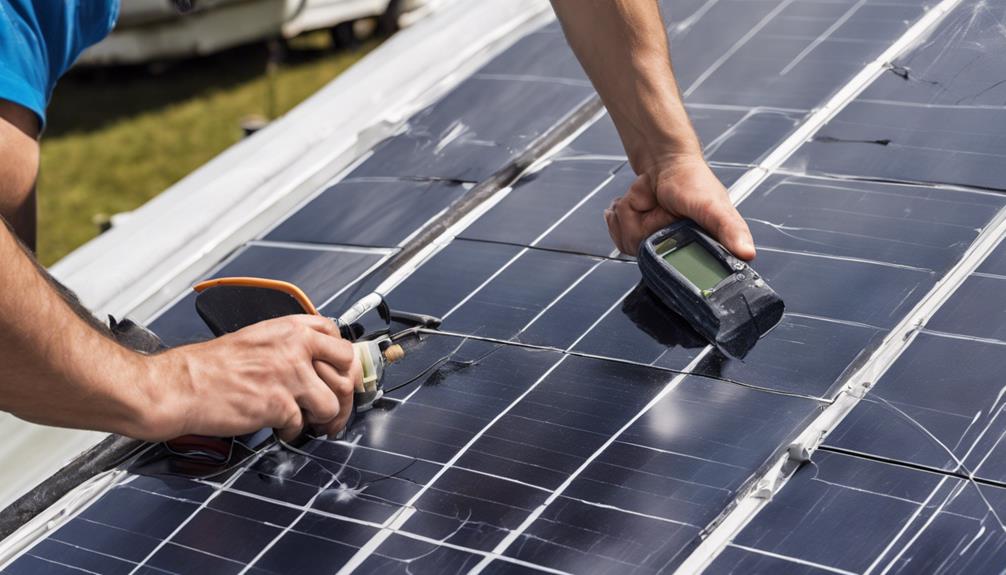
Solar PV systems are low-maintenance but not no-maintenance. Monitor production to establish a baseline, visually inspect from a safe location after storms, manage vegetation to prevent new shading, and contact the installer for unexplained drops in output or physical damage. Do not climb roofs or use metal tools on modules—follow manufacturer and installer guidance.
Questions to ask every solar installer
- What system size are you proposing (kW DC and kW AC) and the expected monthly/annual production by month?
- What shade assumptions and modeling method were used?
- Who will perform the structural review and what assumptions about wind/snow loads were made?
- If including storage, what is the usable battery capacity, inverter backup capability, and what loads will be supported (critical-loads vs whole-cabin)?
- Which equipment models, warranties, and monitoring platform are included?
- Who handles permits, inspections, and the utility interconnection application?
- How are roof penetrations flashed and sealed, and who warranties the roof work?
- What are the timelines, costs, and responsibilities for post-install service and repairs?
- Do you carry appropriate licensing, insurance, and—if relevant—NABCEP-certified staff?
Final notes
Design around your cabin’s loads and resilience goals rather than treating solar as a simple roof-mount job. Use professional design and installation as the default. Important tax note: residential clean energy tax-credit rules changed for expenditures after December 31, 2025—confirm eligibility and tax treatment with a tax professional for cabins or second homes. Local building officials and utilities control permitting, interconnection, and compensation; verify those details before you commit.