Solar panels — technically called photovoltaic (PV) modules — turn sunlight into usable electricity for homes. This article explains, in plain language, how that process works, what a complete residential PV system includes, how weather and orientation affect output, the difference between solar-electric and solar-thermal technologies, and realistic expectations about storage, lifetime, and installation.
The short answer
Sunlight delivers energy to a semiconductor inside each PV cell. That energy frees charge carriers (electrons and “holes”) and the cell’s built-in electric field pushes them in one direction, producing direct current (DC). Metal contacts collect the DC and send it to an inverter, which converts it to alternating current (AC) used by household appliances or exported to the utility grid.
What happens inside a solar cell?
In a PV cell, usually made from silicon, incoming photons (packets of sunlight) are absorbed by the semiconductor. The absorbed energy excites electrons and leaves behind positively charged “holes.” An internal electric field — created by the cell’s layered semiconductor construction — directs electrons toward one side and holes toward the other. Conductive contacts on the cell gather those charges as a flow of DC electricity.
From cells to household electricity
- Cells are packaged into modules (consumer term: solar panels).
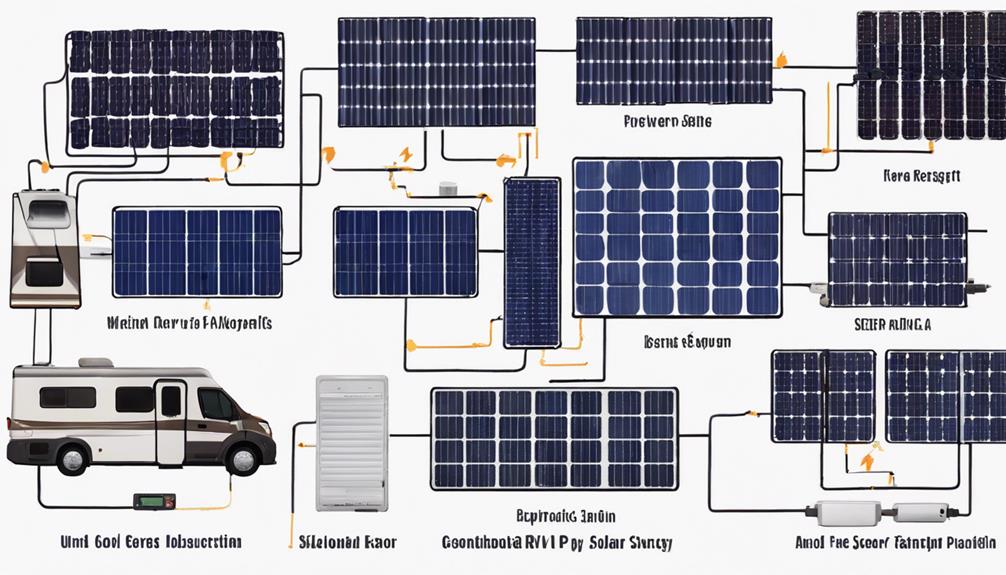
- Modules are wired together into strings or arrays to reach the desired voltage and power.
- An inverter converts the array’s DC output into AC for the home.
- AC power travels to the home’s electrical panel where it serves loads; excess may go to a battery or the utility grid, if allowed.
- When solar production is insufficient, the home draws from a battery (if installed) or the grid.
Inverters come as string inverters that serve groups of modules or microinverters mounted at each module. Microinverters or power optimizers can reduce performance losses from shading or mismatched modules.
Do solar panels store energy?
No. Ordinary PV modules only generate electricity while they receive light; they do not store energy. If you want solar power after sunset or during extended clouds, you need either a battery energy storage system (BESS) or a grid connection that supplies electricity when panels aren’t producing.
Important safety note: typical grid-tied PV systems are designed to shut down during a utility outage (anti-islanding) unless paired with battery-backed inverters or other approved backup equipment. Having panels on your roof does not by itself keep your lights on during a blackout.
What happens on cloudy days, in shade, or when it’s hot?
- Cloudy or diffuse light: panels still produce electricity, but output usually drops as direct sunlight decreases.
- Shade, dirt, snow, and mismatched orientations cause disproportionate drops in power unless module-level optimization is used.
- High temperatures lower module voltage and reduce power compared with standard lab-rated conditions. Cooler sunny days often give better performance than hot ones.
PV vs. solar thermal
| Feature | PV (solar-electric) | Solar-thermal (water heating) |
|---|---|---|
| Primary purpose | Make electricity | Collect heat for water or space heating |
| Main equipment | PV cells, modules, inverter, wiring | Solar collectors, pipes, heat exchanger, storage tank |
| Typical use | Appliances, lighting, charging batteries | Domestic hot water, pool heating, some space heating |
How long do solar panels last?
PV modules are durable but not permanent. Typical planning horizons are roughly 20–30 years. Modules gradually lose output; a commonly cited median degradation is about 0.5% per year, though actual rates vary by product, climate, and installation quality. Other parts — inverters, batteries, wiring, and roof attachments — may require repair or replacement sooner.
What does a home solar system include?
- PV modules and racking or mounting hardware
- Inverter(s) and DC/AC disconnects
- Wiring, combiner boxes, fuses, and ground systems
- Electrical panel and meter upgrades (if needed)
- Monitoring equipment and safety devices
- Optional battery storage and associated controls
Is solar right for a home, cabin, or boat?
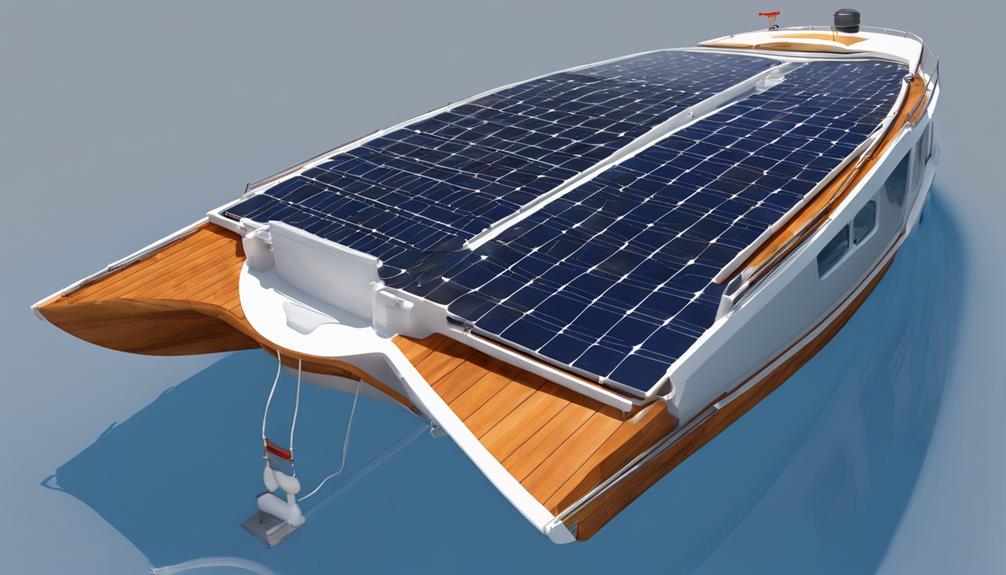
That depends on your location, energy needs, roof or mounting area, budget, and whether you want grid connection or true off-grid independence. Grid-tied systems are simpler and often less expensive but won’t provide power during outages unless paired with battery-backed equipment. Off-grid setups require batteries, a charge controller, appropriate sizing, and backup generation planning. Boats and cabins add considerations for corrosion, weight, mounting, and space, and typically need a battery-centric design.
Costs, incentives, and professional installation
Costs and incentives vary widely by time and place. Date-stamped note: as of 2026-08-11, IRS guidance reviewed for this brief stated the U.S. federal Residential Clean Energy Credit applied to eligible property placed in service through December 31, 2025; rules and programs change, so verify current incentive details with official sources before deciding.
Installation requires structural and electrical assessments, permits, and utility interconnection. For safety and code compliance, hire qualified installers and obtain required permits rather than attempting complex rooftop or electrical work as a DIY project.
Conclusion
In short: PV modules convert sunlight into DC electricity; inverters make it usable for your home; batteries or the grid handle supply when panels aren’t producing. Weather, shade, orientation, and temperature affect how much energy you actually get, and systems require realistic maintenance, planning, and occasionally component replacement. If you’re considering solar, start with an energy-use review and a site-specific production estimate from a reputable installer.