As homeowners and businesses weigh long-term investments in renewable energy, understanding the photovoltaic panels pros and cons helps make an informed choice. Photovoltaic systems turn sunlight into electricity using semiconductor cells, offering clear environmental and financial upsides but also carrying trade-offs in cost, space, and intermittency. This article outlines how photovoltaic panels work, the key advantages and disadvantages, potential savings, and practical use cases so you can assess whether solar fits your energy goals within the broader Solar Energy Benefits & Savings cluster.
How photovoltaic panels produce electricity
Photovoltaic panels generate electricity through photovoltaic cells—usually made from silicon—that absorb photons from sunlight and release electrons, creating a flow of direct current. An inverter converts that DC into alternating current for household or commercial use. The system also includes mounting hardware, wiring, and sometimes battery storage to capture excess production. Performance depends on panel efficiency, orientation, tilt, shading, and local solar irradiance, which explains why two identical systems can produce different results in different locations.
Advantages of photovoltaic cells for homeowners and businesses
Among the advantages of photovoltaic cells are reduced electricity bills, predictable energy costs, and a smaller carbon footprint. Once installed, solar panels produce power with minimal operating costs and generally require little maintenance beyond occasional cleaning and system checks. For many homeowners, solar panels for home benefits extend beyond energy savings: increased property value, eligibility for tax credits or local incentives, and greater energy independence. On a community or business scale, solar reduces reliance on grid power during peak times and supports sustainability goals, which can improve brand perception for companies investing in green infrastructure.
Disadvantages and limitations to consider
No technology is without downsides, and recognizing the pros and cons of solar panels is essential for realistic expectations. The most frequently cited disadvantage is the upfront cost: equipment, installation, and potential roof reinforcement can make the initial investment substantial. Photovoltaic output is intermittent—panels produce less on cloudy days and none at night—so without batteries or grid backup, reliability can be limited. Space requirements and optimal roof orientation also affect feasibility, and manufacturing processes carry environmental impacts that should be weighed. Reviewing the advantages and disadvantages of photovoltaic cell technology clarifies that while long-term benefits are common, short-term constraints and regional factors will influence the overall value.
Financial considerations, incentives, and expected savings
Evaluating photovoltaic panels pros and cons for your budget means understanding payback periods and available incentives. Many regions offer federal, state, or local rebates and tax credits that significantly lower installation costs. Net metering allows homeowners to sell excess power back to the grid, improving financial returns. Calculating savings requires modeling system output against current and projected electricity prices; higher local rates typically shorten payback periods. Adding battery storage increases resilience but lengthens the return on investment. For those primarily seeking solar energy benefits and savings, running long-term cost projections and exploring financing options—such as loans, leases, or power purchase agreements—helps determine whether the investment aligns with financial goals.
Practical use cases and installation considerations
Photovoltaic systems are versatile across a range of use cases. Residential installations are the most common, where rooftop panels offset household consumption and reduce monthly bills. Ground-mounted arrays suit properties with ample land or complex rooflines. Businesses often implement larger systems to lower operating costs and demonstrate corporate responsibility. Off-grid cabins and remote facilities benefit from solar paired with battery storage to replace diesel generators. Installation considerations include roof condition, shading from trees or neighboring buildings, local permitting requirements, and homeowner association rules. A professional site assessment will identify the best system size, orientation, and mounting approach to maximize energy production and longevity.
Maintenance, lifespan, and performance expectations
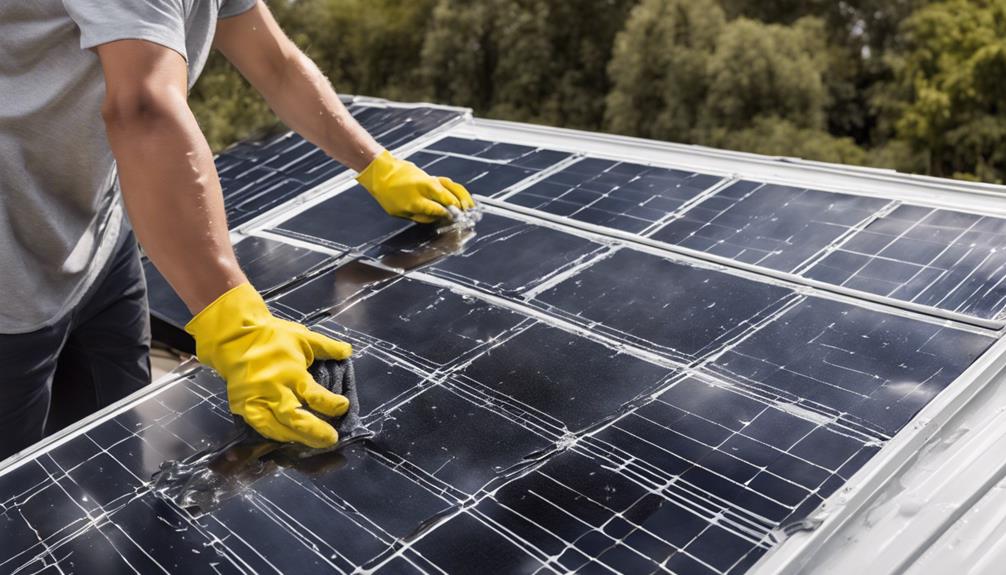
Maintenance needs for photovoltaic panels are relatively low, which contributes to their appeal. Routine visual inspections, periodic cleaning to remove dust or leaves, and inverter checks typically suffice. Most commercially available panels come with performance warranties of 25 years or more, though panels can continue producing electricity beyond warranty periods at reduced efficiency. Monitoring systems provide real-time data to spot underperformance early, which helps maintain expected savings. Understanding expected degradation rates, warranty coverage, and replacement costs is part of weighing the full set of photovoltaic panels pros and cons.
Deciding whether to install solar ultimately depends on site-specific factors, financial plans, and sustainability objectives. Photovoltaic panels offer clear solar panels for home benefits and measurable environmental advantages, but they also present challenges like upfront cost, intermittency, and space requirements. By comparing the pros and cons of solar panels, reviewing incentives, and consulting with experienced installers, homeowners and businesses can determine whether photovoltaic technology will deliver the energy savings and resilience they seek within the broader Solar Energy Benefits & Savings framework.