Introduction
Recent progress in photovoltaic (PV) technology is not a single breakthrough but a collection of improvements across cell design, module engineering, system controls, storage, and durability. Together these changes can increase how much electricity a rooftop or ground array produces, extend useful life, and make grid integration easier. That said, whether solar is a smart choice for a particular homeowner still depends on site conditions, financing, incentives, and local utility rules.
What’s genuinely new about modern solar panels?
Several commercial and near-commercial advances are reshaping PV performance:
- Higher-efficiency silicon modules: New cell architectures—TOPCon (tunnel oxide passivated contact), HJT (heterojunction), and IBC (interdigitated back-contact)—reduce electrical losses and push conversion efficiency higher in commercial modules.
- Bifacial modules: These produce electricity from light hitting both the front and the rear of the panel, increasing energy yield when there is reflective ground or rooftop surfaces and when modules are mounted with space for rear illumination.
- Improved module formats and power density: Taller or split-cell modules and better wafer utilization raise watts per panel, which matters when roof area is limited.
- System controls and module-level power electronics: Microinverters and power optimizers help mitigate shading and mismatch, improving real-world output.
Remember: conversion efficiency (percentage of incoming sunlight turned into electricity) is useful, but annual energy yield—the actual kilowatt-hours a system produces over a year—is what most homeowners care about.
Tandem cells and perovskites: promising but still maturing
Tandem, or multijunction, cells stack two light-absorbing layers to capture a broader part of the solar spectrum. Perovskite–silicon tandems are one of the most talked-about research directions because they can exceed single-junction silicon limits measured in labs. However, these are largely at the research-stage or pilot-stage for module production. Challenges remain around long-term stability, reproducible manufacturing at scale, and integrating tandems into durable modules that deliver reliable field energy yield. As the National Renewable Energy Laboratory (NREL) emphasizes, research-cell records do not equal ready-to-buy commercial module performance.
Panels are only part of the system
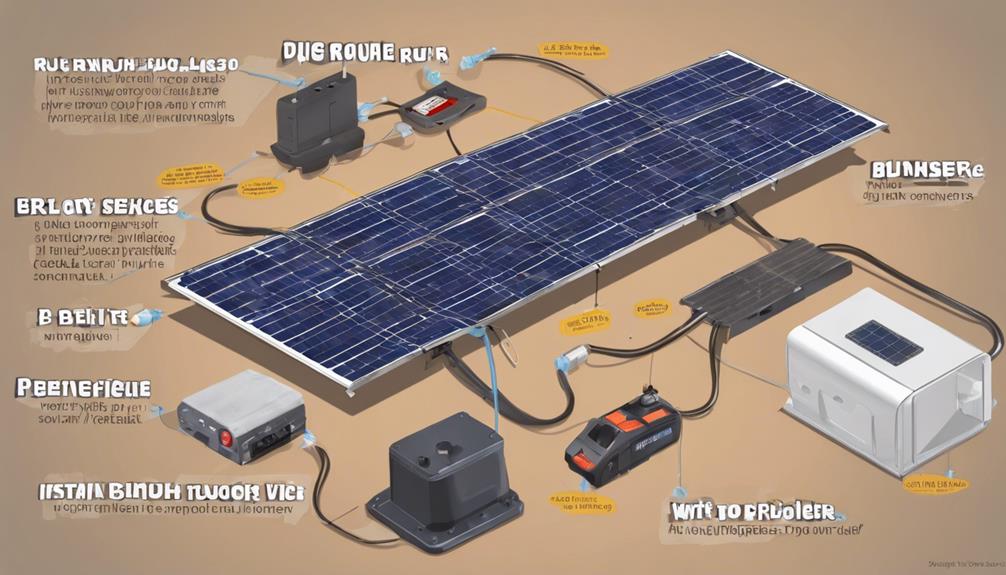
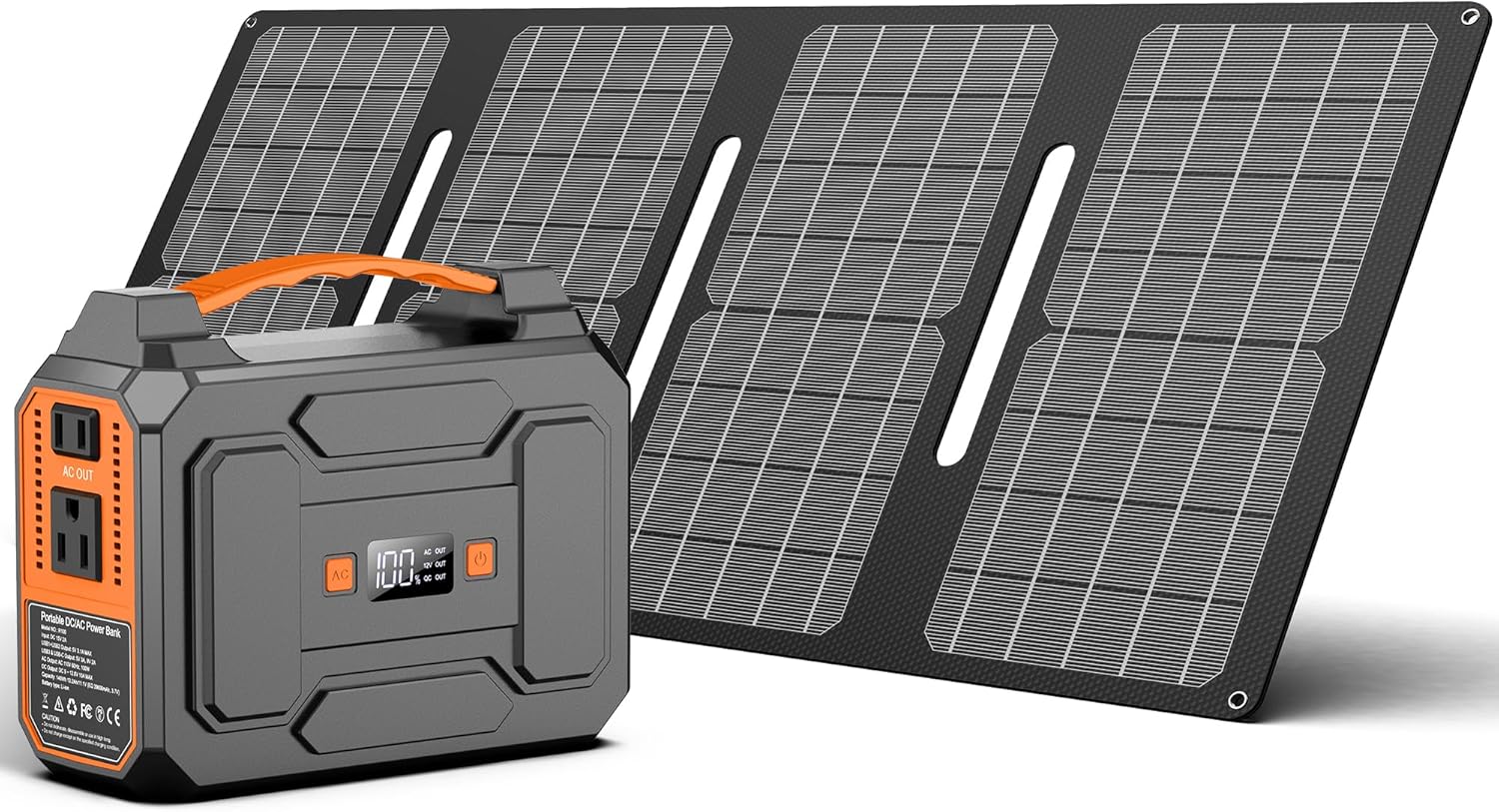
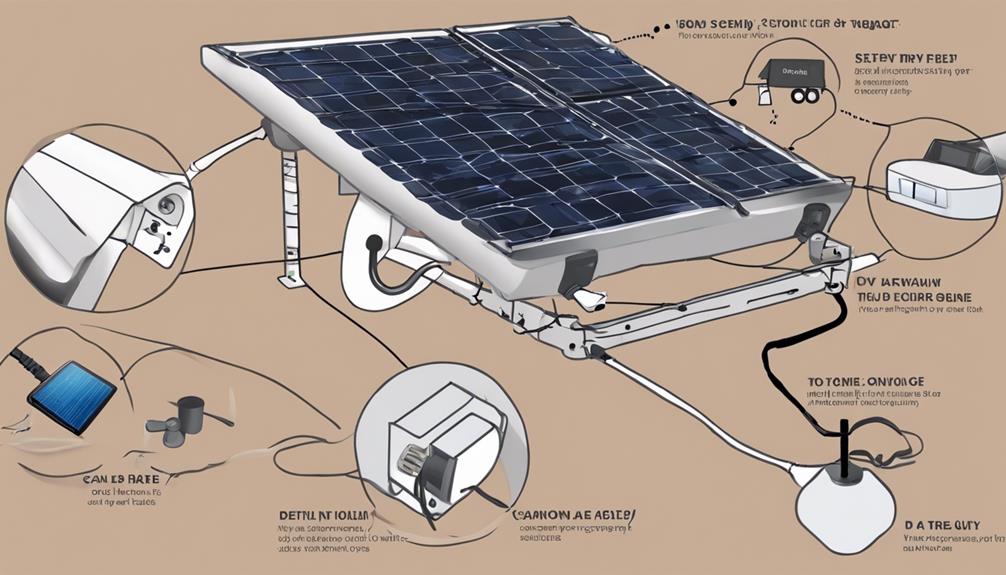
A complete solar electric system includes modules, racking, wiring, an inverter (or microinverters), monitoring, disconnects, and safety equipment. Many installations also add batteries (solar-plus-storage) for time-shifting or backup. Site-specific factors—roof condition, structural capacity, shading, permitting, and utility interconnection rules—shape costs and performance just as much as the panels themselves.
Practical implications for homeowners and grid operators
- More energy from limited roof space: Higher-efficiency and higher-power-density modules can produce more kWh where roof area is constrained, but orientation, tilt, and shading still matter.
- Bifacial gains in suitable setups: When rear-side light is available (reflected ground, elevated racks), bifacial modules can increase yield—but the benefit depends on mounting height, albedo, and layout.
- Heat and performance: Solar cells generally lose voltage as they heat up; hot climates can reduce output per watt compared with cooler conditions, so ventilation and installation design affect real yield.
- Storage helps but doesn’t guarantee independence: Batteries can shift solar generation to evening use and stabilize exports, but sizing, backup configuration, and costs determine how much independence a household achieves.
Environmental and end-of-life considerations
Solar panels reduce operating emissions by replacing fossil-fuel electricity, but manufacturing and materials have environmental footprints. Recycling processes exist for silicon and some thin-film chemistries, yet in the United States recycling often costs more than disposal today. Designing modules for durability, repair, reuse, and easier material recovery is an active research and policy area.
How to evaluate a solar proposal
When comparing quotes, ask for and compare the following:
- System size (kW) and estimated annual production (kWh)
- Model and technology of modules and inverters; whether performance claims are for research cells, prototype modules, or commercial modules
- Module and inverter warranties and stated degradation assumptions
- Shade analysis and expected tilt/orientation
- Battery usable capacity (if included) and backup configuration
- Total installed price, financing terms, and all soft costs
- Utility export compensation (net metering or export rates), permitting, and interconnection responsibilities
- End-of-life options or recommended recycling pathways
Policy and deployment context
Solar deployment continues to expand: the International Energy Agency projected that solar PV would represent the majority of renewable additions in the mid-2020s expansion outlook. Government incentives and tax credits can affect project economics, but they are date- and location-sensitive. For example, as of August 2026 the federal Residential Clean Energy Credit applied to qualifying property placed in service through December 31, 2025; state and local incentives vary.
Conclusion
Advances in silicon cell designs, bifacial modules, system electronics, durability, and storage integration make solar more productive and flexible than earlier generations. Perovskite–silicon tandems could raise future module efficiencies further, but remain a research- and pilot-stage opportunity for now. Ultimately, careful site-specific analysis—considering energy yield, warranties, degradation, storage needs, and local policies—determines whether a given solar system is the right investment.