Solar photovoltaic (PV) panels convert sunlight directly into electricity and are now a common way to supply power across many settings. In the United States, most solar deployment is for electricity generation—on rooftops, on the ground, at large solar farms, and in smaller off-grid or mobile systems. This article explains where panels are used, what equipment is needed to make their output useful, and the main factors that affect production.
How solar panels produce usable electricity
PV cells inside a panel generate direct-current (DC) electricity when exposed to sunlight. Panels are combined into arrays sized for a site or load. An inverter converts the panels’ DC into alternating current (AC) used by household appliances and the electric grid. Racking secures panels to roofs or the ground, and balance-of-system components include wiring, disconnects, monitoring, and sometimes batteries.
Common residential uses
- Household electricity: Rooftop or ground-mounted systems can offset lighting, appliances, electronics, and heating/cooling loads.
- Electric-vehicle (EV) charging: Many homeowners pair PV with EV chargers to use onsite solar for transportation energy.
- Backup power: Standard grid-tied systems typically shut down in a grid outage for safety. Adding batteries and an inverter that supports islanding can provide selected or whole-home backup, depending on system size and configuration.
- Solar shingles and building-integrated PV (BIPV): These products combine roofing materials with power generation for people who want an integrated look.
Commercial and institutional uses
Businesses, schools, hospitals, and public buildings use rooftop arrays, ground-mounted systems, and parking-canopy installations. Commercial PV can reduce daytime grid purchases, lower operating costs, and be sized to match large daytime loads such as offices, manufacturing equipment, or refrigeration.
Utility-scale and community solar
Utility-scale solar farms are large ground-mounted arrays that supply electricity into the grid and serve many customers. By contrast, community solar projects let multiple customers share benefits from a single installation—useful for renters or people whose roofs are unsuitable for panels. Utility-scale projects account for a large share of U.S. solar generation; distributed rooftop systems supply a meaningful portion as well.
Off-grid and mobile applications
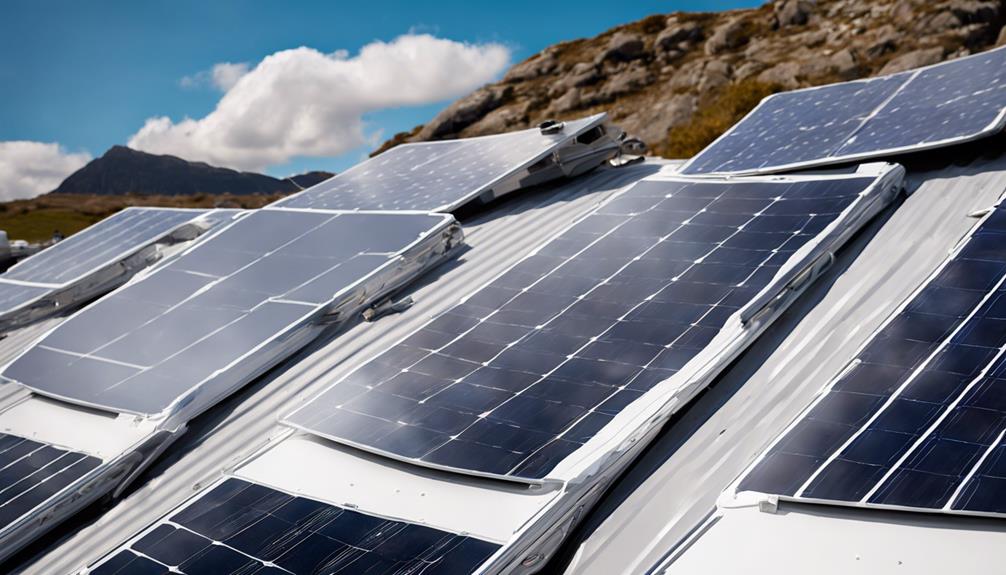
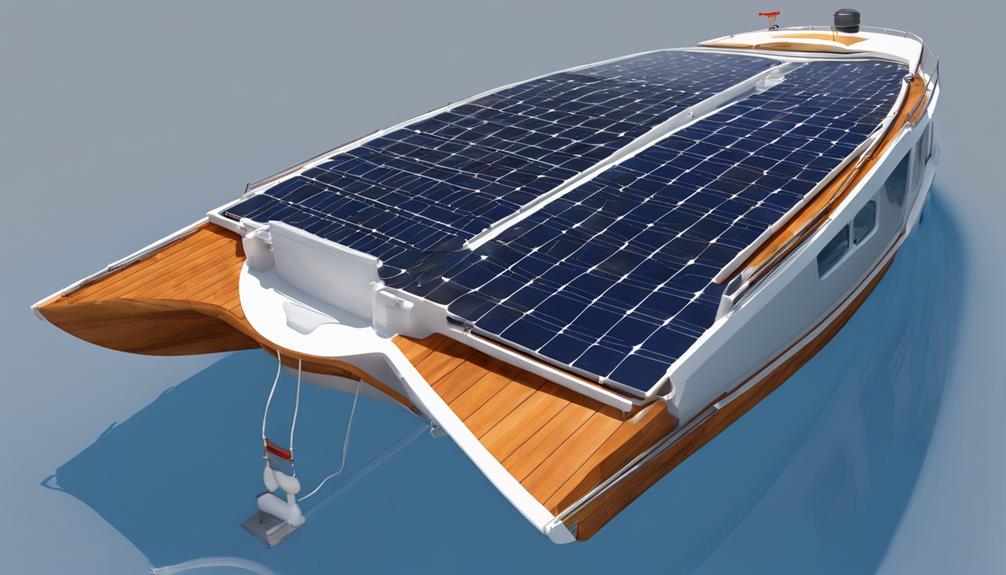
Off-grid PV systems power cabins, remote monitoring stations, telecom equipment, and water pumps where grid service is absent or costly. Mobile systems—sized for boats, RVs, or trailers—typically include batteries, charge controllers, and inverters and require careful load planning to match available energy. These installations are practical for specific, often intermittent needs rather than continuous whole-building loads.
Agriculture and infrastructure uses
On farms, solar can run irrigation pumps, power water systems for livestock, supply electricity to barn buildings, and support remote sensors. Infrastructure uses include traffic monitoring, lighting at remote sites, and power for telemetry equipment. Suitability depends on economics, available sunlight, and site logistics.
What determines how much electricity panels produce?
- Sunlight intensity and local climate (location matters).
- Time of day and season—production is highest near midday and in sunnier months.
- Orientation and tilt of panels relative to the sun.
- Shading from trees, buildings, or roof features.
- System size, inverter efficiency, wiring losses, and soiling (dust or snow).
Estimating production requires location-specific modeling. Tools like PVWatts or a site assessment from a qualified installer can provide realistic estimates for energy production (kWh), not just rated power (kW).
Do solar panels work at night or during an outage?
Panels do not generate electricity without sunlight. They can still produce reduced output on cloudy days because diffuse light reaches the cells. For nighttime or continuous backup power during outages, you need stored energy (batteries) or a grid connection. Most grid-tied systems without batteries are configured to shut off during utility outages for safety unless an approved backup system is included.
Solar PV versus solar thermal
| Technology | Main output | Common uses |
|---|---|---|
| Solar PV | Electricity | Appliances, EV charging, buildings, grid supply |
| Solar thermal | Heat | Domestic hot water, pool heating, space heating |
Lifespan, maintenance, and end of life
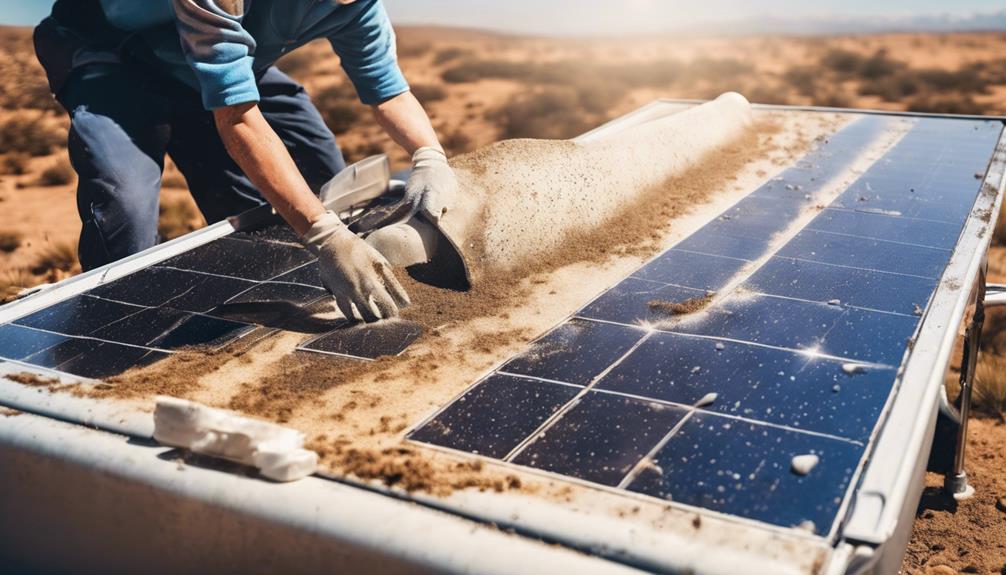
PV systems are long-lived assets, often operating for decades, though inverter components may need replacement sooner. Routine maintenance typically focuses on inspections, monitoring, vegetation control, and removing snow or debris when needed. End-of-life planning should address reuse and recycling options, which are developing in the U.S.
Is solar right for your situation?
Solar can be appropriate for many homes, businesses, farms, and remote sites, but the right choice depends on roof condition and orientation, local sunlight, utility rates and rules, incentives, and whether backup power is required. Use a preliminary modeling tool and seek a site-specific assessment from a qualified installer to evaluate costs, expected production, and system design.
Solar panels are a flexible technology used from small mobile systems to utility-scale farms. Choosing the right configuration—grid-tied or off-grid, with or without batteries, roof or ground mount—depends on how you plan to use the electricity and the specific conditions at your site.