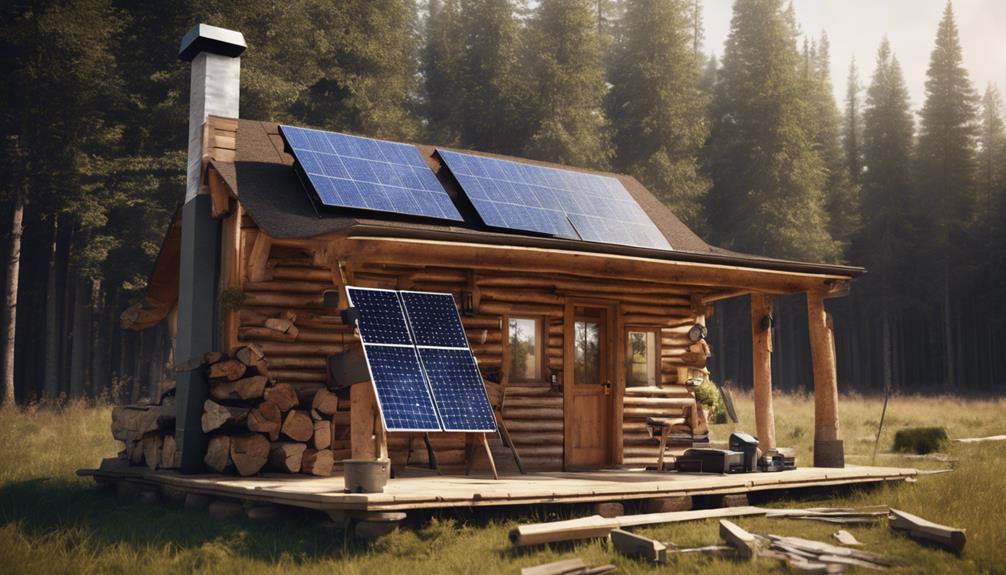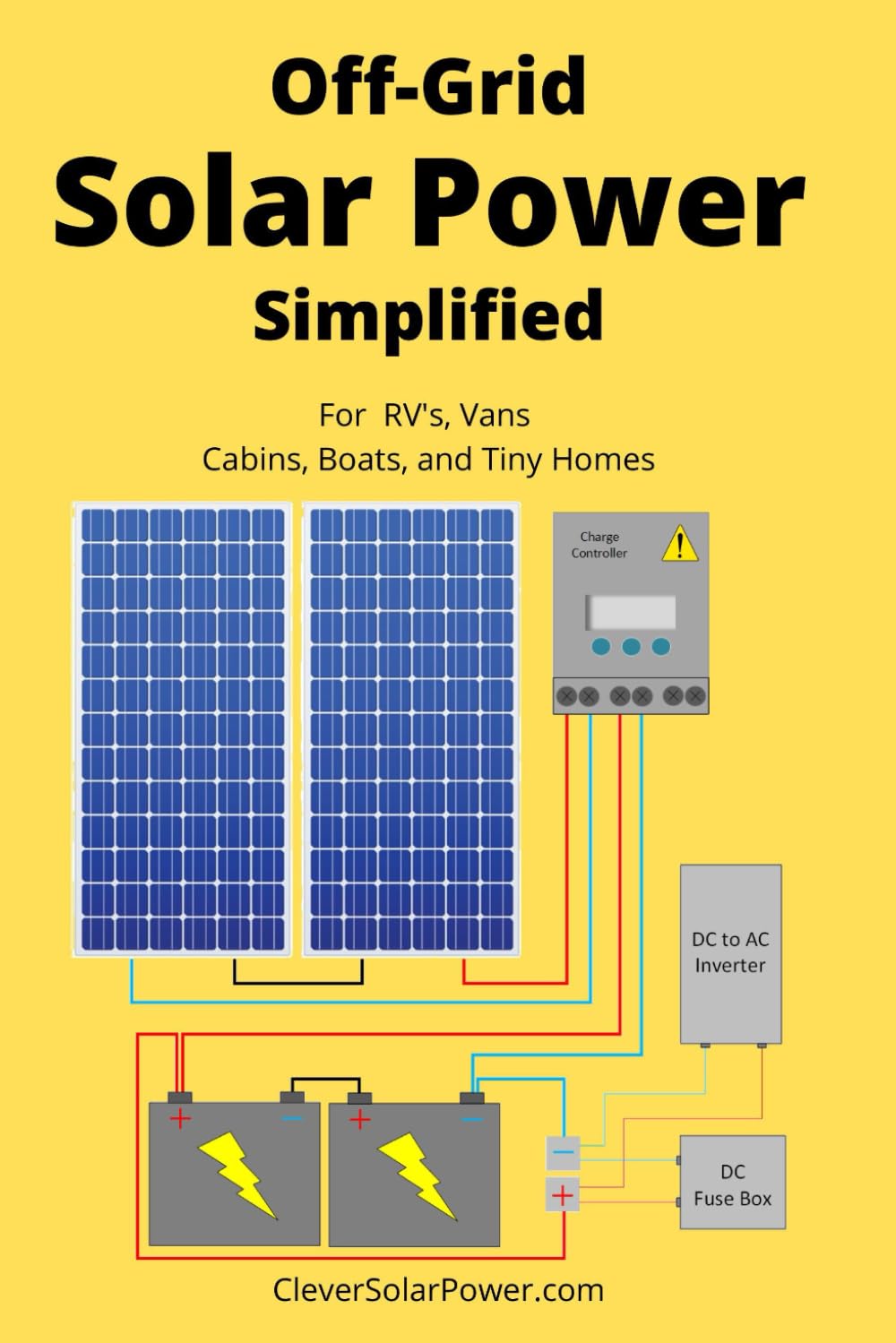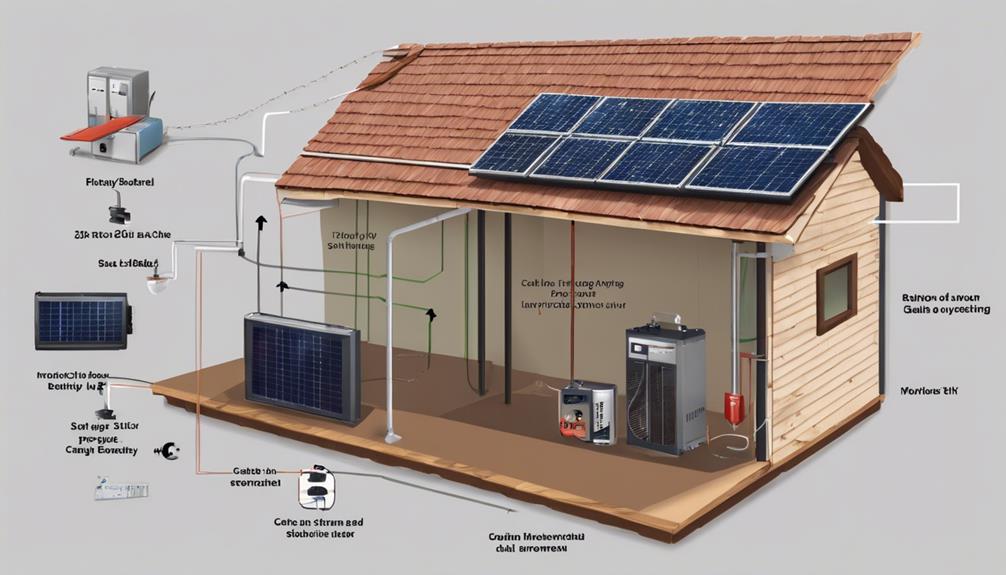
For an off‑grid or intermittently used cabin, the right battery is not a model name or chemistry alone but a properly specified battery energy storage system (BESS or ESS) that delivers enough usable energy (kWh) and enough instantaneous power (kW) for the loads you actually need to run. Start by sizing to your loads and worst‑season solar production, then choose chemistry, enclosure, and controls that match your climate, maintenance appetite, and safety rules.
First: decide what the battery must power
Before shopping batteries, build a simple load list. For each appliance note its wattage, hours per day, and likely simultaneous operation. Separate:
- Daily energy (Wh or kWh)
- Peak and surge demand (W or kW) — important for pumps, microwaves, heaters, and power tools
- Seasonal loads (electric heating, water heating, refrigeration)
- Critical loads versus convenience loads (use a critical loads panel if you plan to limit what stays powered)
Remember: a battery’s kWh rating tells how much energy it can store; its kW rating tells how much power it can supply at once. Both matter.
Understand battery size: kWh, kW, and days of autonomy
Nominal capacity is the battery nameplate (kWh). Usable capacity is what you can actually draw given the manufacturer’s limits and the system settings. Round‑trip efficiency describes losses when charging and discharging. Depth of discharge (DoD) is an operating limit set by the product; treat it as manufacturer‑specified, not a one‑size percentage.
Simple planning formula (illustrative, not an engineering design):
Required nominal battery capacity ≈ daily critical‑load energy × desired autonomy ÷ (allowed usable fraction × system efficiency)
Example (illustrative): suppose critical loads use 3 kWh/day, you want two days of autonomy, you plan to use 80% of the battery’s nominal capacity (usable fraction = 0.8), and system round‑trip/auxiliary losses are 90% (system efficiency = 0.9). Required nominal capacity ≈ 3 × 2 ÷ (0.8 × 0.9) ≈ 8.3 kWh. Also verify the inverter/battery can deliver the peak kW and any start/surge currents (e.g., well pump or compressor).
Account for winter, weather, and recharge capability
Off‑grid designs typically size around the worst practical solar period: winter or an extended cloudy stretch. A battery that looks adequate for summer recharging may not be recharged fully in winter. Model local PV production (for example with a reputable solar calculator) and confirm array size and tilt are sufficient to recharge your battery during the least favorable design period. For cabins with long, infrequent cloudy stretches, pairing a generator with solar‑plus‑storage often gives better resilience and economics than massive batteries alone.
LFP (lithium iron phosphate) vs. lead‑acid: a practical comparison
| Decision factor | LFP lithium‑ion | Lead‑acid |
|---|---|---|
| Typical role | Modern baseline for many new stationary cabin systems | Situational option for lower upfront cost or simple, lightly used systems |
| Space and weight | More compact and lighter for equivalent usable energy | Bulkier and heavier |
| Routine maintenance | Usually lower; sealed, integrated systems reduce owner tasks | Varies: flooded types need ventilation and electrolyte checks; AGM/gel are lower maintenance but still chemistry‑specific |
| Cold‑weather planning | Capacity and charge acceptance fall in cold; verify manufacturer charging/operating temperature limits and thermal options | Also temperature sensitive; subtype matters for charging and storage behavior |
| Upfront vs lifecycle cost | Often higher upfront; evaluate usable kWh, warranty, and expected cycle performance | Often lower upfront; include replacement, maintenance, and usable energy differences in comparisons |
| End‑of‑life/recycling | Recycling infrastructure is growing; follow manufacturer and local regulations | Established collection and recycling network in the U.S.; still hazardous if disposed improperly |
Compatibility and system design: non‑negotiable items
- Match system voltage, inverter/charger, and charge controller to the battery’s electrical characteristics and max charge/discharge currents.
- Confirm communications/BMS compatibility if relying on a monitored, integrated system.
- Do not mix chemistries, ages, or unrelated modules unless the manufacturer explicitly permits it.
- Plan for generator integration and future expansion only if supported by the product and the installer.
Safety, installation, and codes
Batteries are electrical equipment with shock, fire, and—depending on type—chemical or gas hazards. Use a qualified solar‑storage installer or licensed electrician for permanent installations. Choose a listed stationary ESS when possible (e.g., systems listed to applicable standards), follow manufacturer instructions, and comply with the local authority having jurisdiction (AHJ) for permits and inspections.
Maintenance and seasonal use
- Follow manufacturer guidance for storage state‑of‑charge, firmware updates, and temperature limits.
- Use remote monitoring where available; don’t let a vacant cabin’s batteries slowly self‑discharge without a plan.
- For lead‑acid batteries, follow subtype‑specific maintenance schedules (ventilation, electrolyte checks, equalization as specified).
Quick buying checklist for a cabin ESS
- Daily critical loads calculated and peak/surge loads identified.
- Desired autonomy chosen and worst‑season solar production modeled.
- Required usable kWh and continuous/surge kW verified with the inverter/battery spec.
- Temperature operating plan and enclosure chosen.
- Inverter/charger and BMS/communications compatibility confirmed.
- System is listed by an appropriate testing body, installer is qualified, and AHJ permitting is arranged.
Finally: choose a complete system and a design rooted in your cabin’s real loads and worst‑case solar season, not just a battery chemistry. For final design, wiring, safety clearances, and permits, consult manufacturer documentation and a qualified installer or the local AHJ.