Understanding how solar panels produce and deliver electricity is essential for homeowners considering residential solar panels. A common question is, are solar panels AC or DC? This article explains the electrical output of photovoltaic panels, how that energy becomes usable in a typical home, and practical differences when designing grid-tied, off-grid, or battery-backed systems.
Why solar panels produce direct current
Solar panels generate electricity through the photovoltaic effect, where sunlight excites electrons in semiconductor materials to create a flow of charge. That flow is direct current (DC): electrons move in a single direction from the panel’s negative terminal to its positive terminal. So to answer the basic technical question, do solar panels produce AC or DC—the panels themselves produce DC power.
Converting DC to AC for home use
Most residential homes and the electrical grid operate on alternating current (AC). Appliances, lighting, and your home panel are designed for AC electrical waveforms. To make solar DC power compatible with household systems and the utility grid, an inverter is required. A central string inverter or microinverters convert the DC output from panels into AC at the correct voltage and frequency for your location.
String inverters and central inverters
String inverters take the combined DC output from a series of panels and convert it to AC in one location, typically mounted on an exterior wall or garage. This approach is common for residential solar panels because it is cost-effective and straightforward. However, partial shading or panel mismatch can reduce performance for the whole string.
Microinverters and power optimizers
Microinverters attach to individual panels and convert DC to AC right at each module, which can increase energy harvest under mixed shading or varied roof orientations. Power optimizers are an intermediate solution: they condition the DC at each panel to maximize output before sending DC to a central inverter. Both technologies change how DC from solar panels is managed before it becomes usable AC power.
Battery storage and the DC versus AC coupling debate
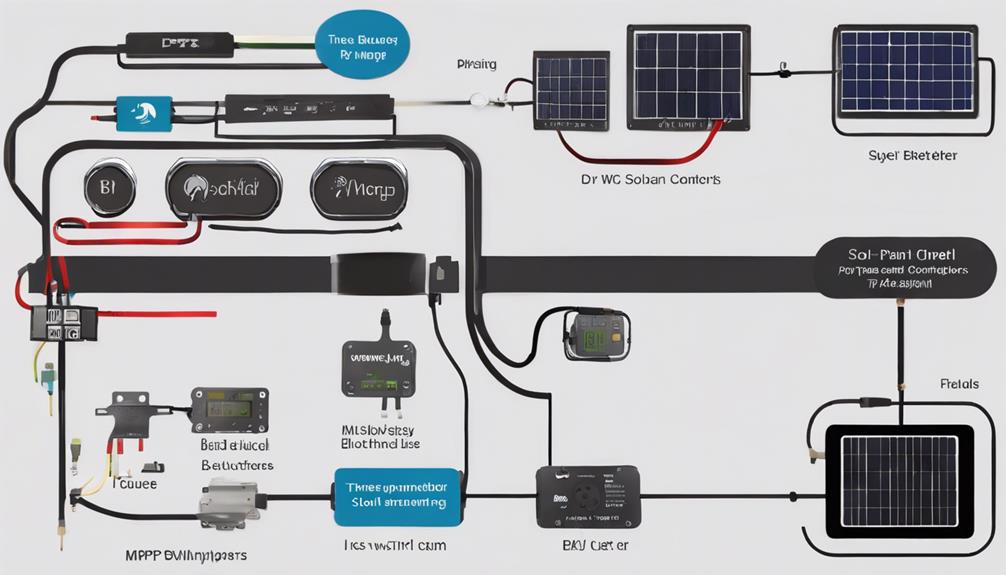
Adding battery backup to a residential solar panels system introduces choices about how to manage DC and AC power flows. Batteries store DC energy, so a DC-coupled system charges batteries directly from the solar array using a charge controller or DC-coupled inverter. AC-coupled systems convert solar DC to AC with an inverter, then use a second inverter/charger to convert AC back to DC to charge batteries. Each approach has trade-offs in efficiency, flexibility, and cost.
DC-coupled setups can be more efficient because they avoid double conversion when charging batteries, and they are often simpler for new installs that include storage. AC-coupled systems are attractive for retrofits because they can be added to existing grid-tied inverters and typically offer better compatibility with a wider range of battery products.
Practical use cases for residential solar panels
For a typical grid-tied home prioritizing daytime savings and net metering, panels produce DC and the inverter supplies AC directly to your home and the grid. During the day, excess AC power can feed back to the utility meter if your net metering arrangement allows it. In an off-grid cabin, panels charge a battery bank (DC) that then supplies an inverter to produce AC for household loads. Homes seeking resiliency often combine a grid-tied inverter with battery backup that automatically switches critical circuits to an inverter when the grid goes down.
Another practical consideration is compatibility with specific loads. Some devices, such as LED lighting drivers, electronics, and variable speed motor controllers, ultimately use DC internally even though they are connected to AC. However, residential wiring and safety standards are built around AC distribution, so converting solar DC to AC at the inverter remains the standard for almost all home installations.
Safety, regulations, and performance considerations
Because solar panels produce DC, installers must follow electrical codes and safety practices related to DC wiring, which behaves differently from AC—DC arcs are harder to extinguish, and DC conductors require appropriate disconnects and fusing. Local codes dictate inverter placement, rapid shutdown requirements, and labeling. In addition, inverter efficiency affects how much of the panels’ DC power ends up as usable AC; modern inverters are highly efficient, often above 95 percent, but conversion losses still exist and should be considered when sizing a residential solar panels system.
Choosing the right system for your home
When deciding whether to prioritize DC coupling or AC coupling, or whether to use microinverters versus a string inverter, think about your goals: maximizing daytime generation, preparing for outages, futureproofing for battery additions, and roof layout. If you ask installers “are solar panels AC or DC” they will explain that panels are DC devices but your system design determines when and where conversion to AC happens. A good installer will size equipment to minimize unnecessary conversions and choose components that match your electrical needs.
Ultimately, the core answer is simple: solar panels produce DC power, and that power is converted to AC to run household appliances and interact with the grid. The details of how that conversion occurs—whether at each panel, in a central inverter, or as part of a battery-coupled system—shape system performance, cost, and resilience for residential solar panels.
In conclusion, understanding that solar panels are DC sources clarifies why inverters and charge controllers are central to any residential solar panels project. Whether you want a straightforward grid-tied system, an off-grid setup, or a battery-backed configuration, knowing where and how DC becomes AC helps you evaluate options, compare proposals, and choose solutions that deliver reliable, efficient energy for your home.