Finding practical ways to conserve energy is both good for your wallet and the planet. Whether you’re renovating, buying new appliances, or simply changing daily habits, there are many effective steps you can take. This article focuses on realistic home improvements and behavior changes that illustrate how to save energy at home and support long-term electrical energy conservation.
Quick wins: simple ways to conserve energy at home
Start with small, high-impact actions that make an immediate difference. Lowering your thermostat by a degree or two in winter and raising it slightly in summer reduces energy use without sacrificing comfort. Unplug chargers and idle electronics to avoid phantom loads, and switch incandescent bulbs to LEDs to dramatically cut lighting electricity. These practical examples of conserve energy approaches show how easy it can be to reduce consumption and save money. If you are wondering how can you save energy, these quick wins are a practical place to begin.
Upgrade appliances and systems for better efficiency
Major energy savings often come from upgrading older equipment. Replacing an aging HVAC system with a modern, high-efficiency model and installing a programmable or smart thermostat are effective ways to save electrical energy in a household. When shopping for appliances, look for ENERGY STAR ratings and consider the long-term operating costs, not just the purchase price. How to conserve electricity becomes clearer when you calculate energy use per year: a more efficient refrigerator, washer, or dryer can pay back the upfront investment in lower utility bills and increased comfort. For those asking how can we conserve energy across the home, prioritizing system upgrades delivers measurable results.
Improve insulation, windows, and the building envelope
Heat loss through walls, roofs, and windows accounts for a large portion of home energy waste. Sealing air leaks, adding attic insulation, and upgrading to double- or triple-pane windows are proven strategies for energy efficiency. These measures reduce the need for heating and cooling, which are often the biggest energy users in a house. For homeowners wondering how to conserve energy at home, investing in the building envelope addresses the root cause of excessive heating or cooling loads and can be one of the most reliable ways to conserve electricity over the long term.
Adopt smart habits to save energy every day
Behavioral changes complement physical upgrades and are some of the easiest ways to conserve energy at home. Running full loads in dishwashers and washing machines, using cold water for laundry when possible, and air-drying clothes instead of using the dryer reduce electrical demand. Cooking with lids on pots, using microwaves or pressure cookers for small meals, and maintaining moderate thermostat settings are additional tips to save energy. An example of conserve energy through habits is scheduling major energy tasks for off-peak hours if your utility offers time-of-use rates. Asking how can you conserve energy often leads to these small but consistent adjustments that add up over time.
Long-term investments: renewables, audits, and whole-home strategies
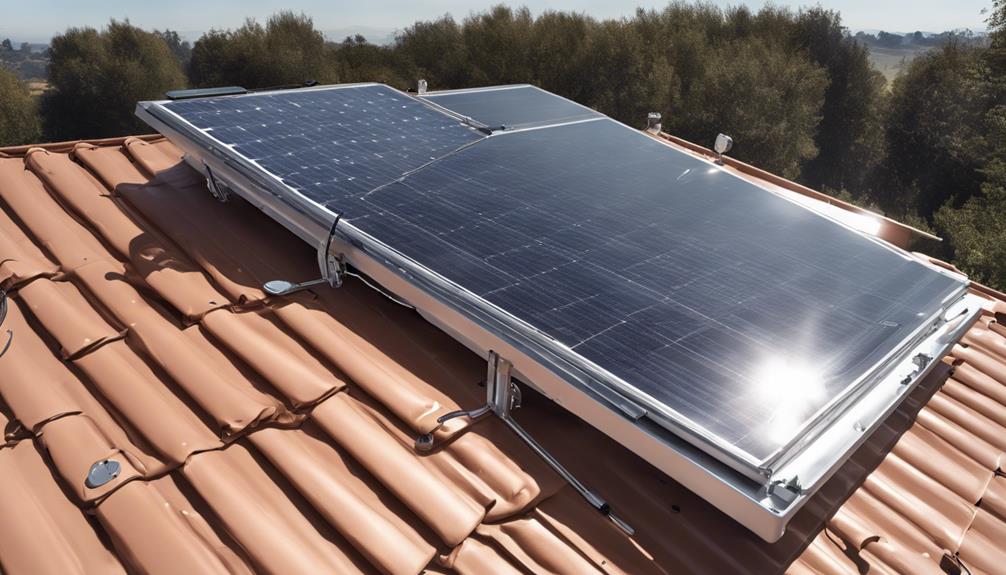
For those ready to make larger investments, solar panels, battery storage, and heat pump systems provide significant opportunities for electrical energy conservation and independence. Conducting a professional energy audit identifies the most cost-effective upgrades by pinpointing specific inefficiencies in your home. Implementing five ways to conserve energy recommended by an auditor—such as insulating, upgrading HVAC, sealing ducts, switching to efficient lighting, and installing a smart thermostat—creates a comprehensive plan. Whether you’re interested in 5 ways to conserve energy or a broader set of improvements, planning a phased approach ensures each upgrade contributes to a net reduction in energy consumption and improves property value.
There are practical ways to conserve electricity at home that fit every budget, from simple lifestyle changes to major renovations. Electrical energy conservation combines quick fixes like LED bulbs and smart power strips with medium-term upgrades to appliances and long-term investments such as improved insulation and renewable energy systems. If your goal is to save energy in a house and reduce monthly bills, start with an assessment of current usage and prioritize actions that offer the highest savings first. These tips to save energy will not only lower costs but also reduce your environmental footprint.
Concluding, learning how to conserve energy is a mix of smart choices, incremental improvements, and occasional major investments. By combining daily habits, efficient equipment, and better insulation, homeowners can achieve substantial reductions in energy use. Whether you seek ways to conserve electrical energy at home or are exploring five ways to save energy across multiple rooms, a thoughtful plan tailored to your home will yield lasting benefits.