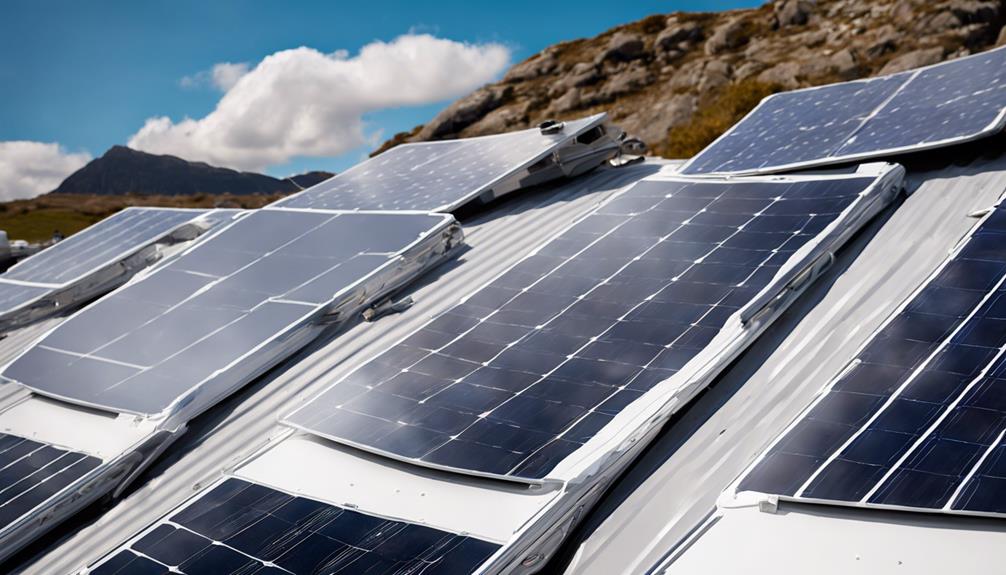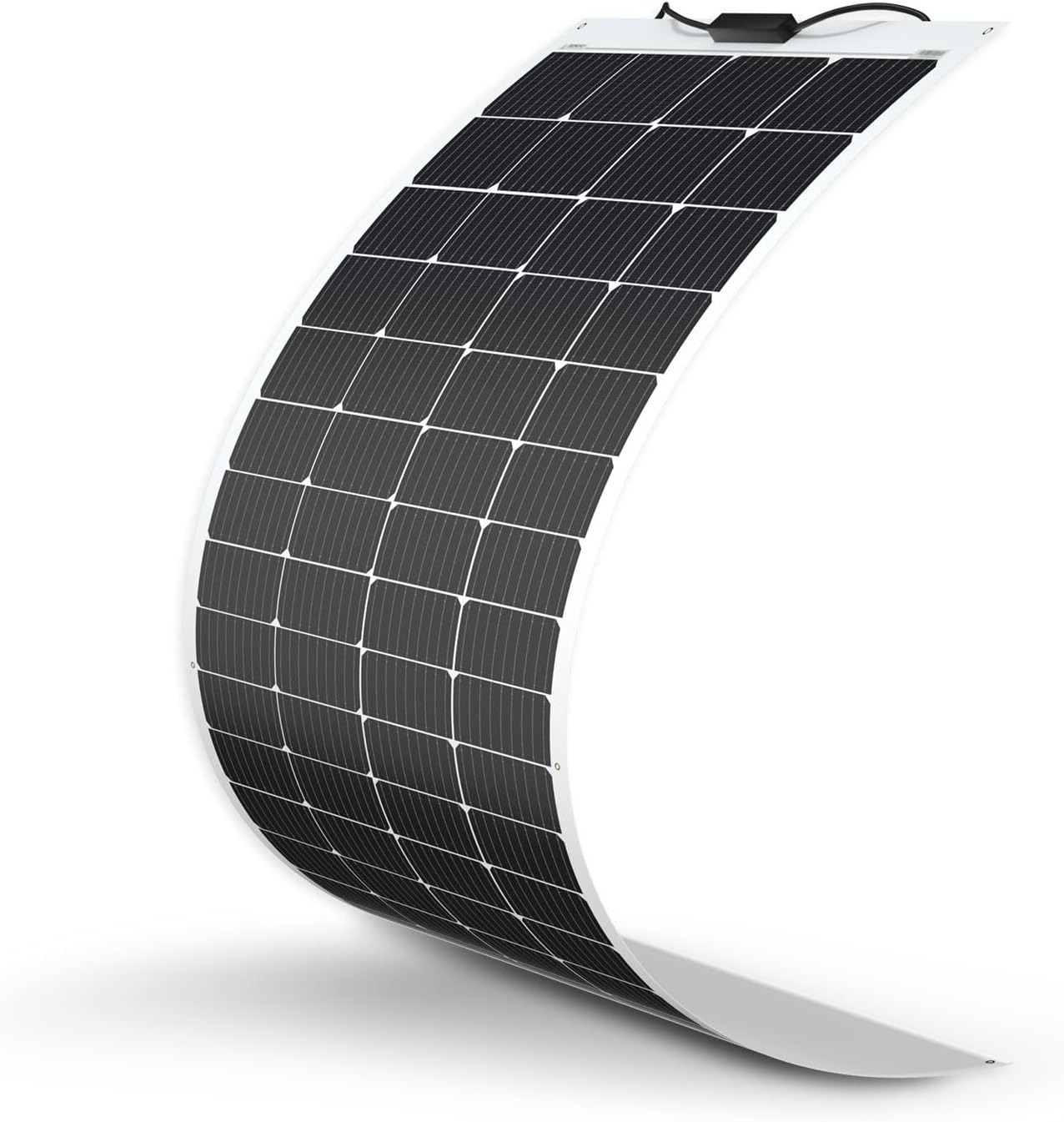
Solar hybrid generator technology is becoming a practical choice for homeowners, businesses, and off-grid enthusiasts who want reliable power with renewable energy. This article explains what a solar hybrid generator is, how a hybrid solar power generator works, and when it makes sense to choose one. You will also find guidance on sizing, installation considerations, everyday use cases, and maintenance tips so you can decide whether a hybrid approach fits into your hybrid solar systems strategy. Consider a hybrid solar setup to integrate a solar hybrid generator with panels and battery storage.
What is a solar hybrid generator?
A solar hybrid generator combines solar photovoltaic panels with battery storage and usually an auxiliary power source such as the grid or a generator. Unlike simple solar setups that feed surplus energy back to the grid, a solar hybrid generator stores excess solar production for later use and can switch between energy sources automatically. This hybrid capability gives users both the environmental benefits of solar and the reliability of stored or alternative power, making it a flexible component of hybrid solar systems.
How a hybrid solar power generator works
At the heart of a hybrid solar power generator is an inverter-charger that coordinates energy flows from solar panels, batteries, and other inputs. During sunny hours, the solar panels produce electricity that powers loads directly and charges the battery. When sunlight is insufficient, the system draws from battery storage or seamlessly taps the grid or a backup generator. Intelligent energy management systems allow prioritization—for example, using solar to charge batteries, then drawing from batteries during peak pricing, or isolating the home during an outage for uninterrupted power. Advanced models provide real-time monitoring, programmable charge thresholds, and integration with home automation for optimized performance.
Benefits of choosing a hybrid system
Hybrid solar systems deliver a mix of benefits that appeal to both residential and commercial users. First, they increase resilience: battery backup ensures critical circuits remain powered during outages, improving home security and comfort. Second, they improve self consumption of solar energy, reducing electricity bills by storing excess generation for use during evening hours or peak pricing periods. Third, they offer scalability. You can start with a modest system and expand battery capacity or panel array over time as needs change. Finally, a hybrid solar power generator reduces reliance on fossil fuels when paired with on-site storage and smart energy controls, lowering carbon footprint without sacrificing reliability.
Sizing and installation considerations
Correct sizing is crucial to get the most from a solar hybrid generator. Begin by assessing typical daily energy usage and peak loads you want to support during an outage. A system designed for whole-home backup will require significantly larger battery capacity and inverter rating than one intended to power essentials like refrigeration, lighting, and internet. Roof orientation and available space determine feasible solar array size, while local climate affects expected solar yield and charging performance.
Installation should be handled by qualified professionals familiar with hybrid solar systems and local electrical codes. Permitting, utility interconnection, and, where applicable, incentive programs will influence project cost and timeline. Consider future expansion when selecting components: choosing an inverter that supports additional batteries or panel inputs can save time and expense later. Finally, location of battery storage matters for safety, ventilation, and thermal management—batteries perform best in controlled environments, not in extreme heat or cold. Learn how a solar hybrid generator integrates into a hybrid solar setup for reliable off-grid power management.
Practical use cases for hybrid solar generators
There are several common scenarios where a hybrid solar generator is especially valuable. For rural homes or cabins with unreliable grid service, a hybrid system delivers a reliable power source without relying solely on fossil fuel generators. In urban settings facing increasingly frequent power interruptions, hybrid systems provide uninterrupted backup for sensitive equipment and preserve food supplies during outages. Commercial enterprises such as small retailers, clinics, and telecom sites benefit from reduced downtime and predictable energy costs by deploying hybrid solar power generators.
Additionally, hybrid systems enable load shifting for energy cost savings in areas with time of use billing. By storing daytime solar energy and using it at night or during peak price periods, businesses and homeowners can lower electricity bills. Off-grid communities and disaster response operations also use portable or modular hybrid solar generators because they combine portability with scalable energy storage and can accept multiple fuel sources if prolonged cloudy conditions occur.
Maintenance, lifespan, and long term considerations
Maintenance requirements for a solar hybrid generator are modest compared to traditional generators, but periodic checks are still important. Solar panels need occasional cleaning and inspections for shading or debris. Batteries require monitoring for state of health; lithium-ion batteries generally offer long cycle life with minimal maintenance, while lead acid systems may need more attention. Inverter firmware updates and system diagnostics ensure efficient performance and can prevent small issues from becoming larger problems.
Lifespan depends on component choices: quality inverters and battery chemistry often determine replacement timelines. Planning for eventual battery replacement and selecting components with good warranties helps protect your investment. When designed and installed correctly, a hybrid solar power generator becomes a durable part of a hybrid solar systems ecosystem, delivering reliable clean energy for years while providing flexibility to adapt as technology advances.
Choosing a solar hybrid generator brings together the strengths of solar panels, batteries, and smart energy management to deliver reliable, efficient, and scalable power. Whether you need backup during outages, want to lower energy bills, or aim to reduce carbon emissions, hybrid solar systems offer a practical path forward. Evaluate your energy needs, consult experienced installers, and select components that allow for future growth to get the most from a hybrid solar power generator over the long term.