Solar shingle installation has emerged as an attractive alternative to traditional rooftop solar panels for homeowners who want a more integrated look and durable roof upgrade. As part of the broader topic of solar system installation and costs, understanding how solar roof shingles installation works, what influences the price, and the practical use cases can help you decide whether this technology fits your home and budget. This article walks through the essentials—what solar shingles are, how much installation typically costs, the installation process, real-world use cases, and long-term maintenance considerations.
What are solar shingles and how do they differ from traditional panels?
Solar shingles, also known as photovoltaic roof shingles, are thin, lightweight solar modules designed to replace conventional roofing materials while generating electricity. Unlike traditional solar panels that sit on top of an existing roof, solar shingles integrate directly into the roofing surface. This integration is especially appealing for homeowners focused on curb appeal, because the shingles provide a sleeker, lower-profile appearance compared with the bulkier racks and panels commonly seen on rooftops.
Functionally, the two systems produce electricity from sunlight, but installation approaches and roof requirements differ. Solar shingle installation often involves removing and replacing sections of roofing, whereas conventional rooftop panels are typically mounted on top of an existing roof. That distinction affects cost, project timeline, and the suitability of each option depending on roof condition, orientation, and shading.
Costs and financing: what to expect for solar shingle installation
Costs for solar roof shingles installation vary widely based on system size, roof complexity, local labor rates, and product choice. On average, homeowners can expect higher upfront costs for solar shingles compared with standard panels when measured per watt. This premium reflects both the aesthetic value and the need to install roofing material in addition to electrical components. In many markets, total installed costs can be 20 to 50 percent higher than a similarly sized traditional panel system, though exact figures depend on factors such as roof removal, underlayment, and electrical upgrades.
Available incentives, such as federal tax credits, state rebates, and local utility programs, can significantly reduce net costs. Financing options include solar loans, home equity lines of credit, and leasing in some regions, although leases are less common for integrated roofing products. When evaluating the economics, consider not only the sticker price but also potential increases in property value, energy savings over the system’s lifetime, and the length and terms of manufacturer and installer warranties. A thorough cost-benefit analysis framed within the broader category of solar system installation and costs will reveal whether the investment aligns with your financial and aesthetic goals.
The solar shingle installation process and timeline
A typical solar shingle installation begins with a site assessment to determine roof orientation, shading, and structural condition. Because solar shingles replace roofing material, installers must evaluate whether the roof deck, underlayment, and framing are suitable for the new system or if repairs or reinforcement are needed. Once the design is finalized, permits are obtained and material ordering begins. For many homes, the process from initial assessment to final inspection takes several weeks to a few months, depending on permit timelines and product lead times.
On installation day, crews remove necessary roofing sections and install the solar shingles alongside standard roofing materials to achieve a uniform appearance. Electrical connections are tied back to an inverter or microinverter system and connected to the home’s electrical panel with the required safety disconnects. After installation, local authorities perform inspections and utilities may require an interconnection agreement before net metering can begin. Homeowners can expect minimal disruption if their roof condition was already good, but complete roof replacement scenarios extend the timeline and require more coordination.
Practical use cases and comparison to traditional systems
Solar roof shingles are particularly well suited for homeowners building a new home or those who need a roof replacement anyway and prioritize aesthetics. In historic districts or neighborhoods with strict appearance codes, the low-profile look of solar shingles can be a decisive advantage. They also appeal to homeowners seeking a seamless roof upgrade that combines waterproofing with energy production.
However, for homeowners focused solely on maximizing energy production per dollar, conventional solar panels often remain the more cost-effective choice. Panels typically offer higher efficiency and are easier to install and replace. For large roofs with complex shading or multiple orientations, traditional panels with optimizers or microinverters provide more flexibility for maximizing output. Weighing these trade-offs—appearance versus cost and efficiency—is central to determining whether solar shingle installation or a conventional panel system is the better fit for your needs.
Maintenance, warranties, and long-term savings
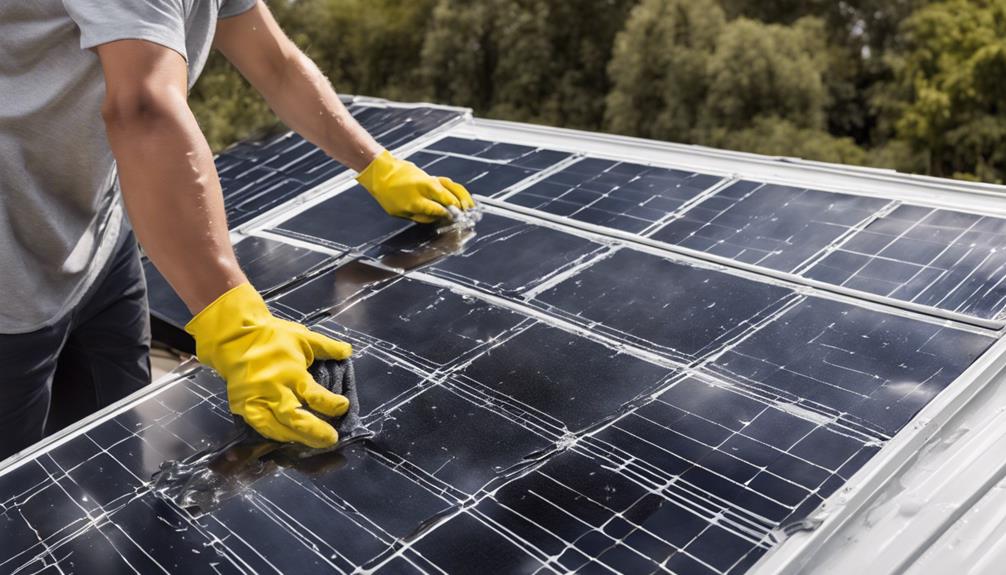
Maintenance for solar shingles is similar to that for traditional panels in that general upkeep involves keeping the roof free of debris and ensuring electrical components remain intact. Because the shingles also serve as roofing material, their condition affects both weatherproofing and energy production. Manufacturers typically offer combined warranties covering power performance and roof integrity, but terms vary, so careful review of warranty length, transferability, and coverage details is essential.
Long-term savings depend on local electricity rates, system production, incentives, and maintenance costs. Solar shingles can contribute to energy independence and reduce utility bills while also potentially increasing resale value due to the integrated roof upgrade. For many homeowners, the financial calculus becomes clearer when factoring in incentives and the avoided cost of a separate roof replacement in the near future.
In conclusion, a solar shingle installation can be an excellent option for homeowners seeking an attractive, integrated solar solution—especially when a roof replacement is already on the horizon. While upfront costs are generally higher than traditional panels, the combined benefits of roof renewal, aesthetics, and energy generation make solar roof shingles installation a compelling choice in the right circumstances. Carefully evaluate your roof condition, local incentives, and long-term energy needs, and consult experienced installers to determine whether this blend of roofing and renewable energy fits your home and budget.