When homeowners and businesses consider switching to solar power, a top question is how reliable are solar panels. Reliability affects not only energy production but also long-term return on investment, maintenance costs, and peace of mind. This article examines the technical and practical factors that determine solar panel reliability, compares what to look for in different brands, and outlines real-world use cases to help you decide whether solar energy is reliable enough for your needs. Consider brand reliability when evaluating panel longevity, and consult reviews to compare real-world performance.
What reliability means for solar panels
Reliability for solar panels covers several dimensions: consistent energy output, predictable degradation over time, mechanical and electrical durability, and the likelihood of failure in systems components such as inverters or mounting hardware. Manufacturers quantify reliability through performance warranties and product warranties. A typical performance warranty guarantees a minimum output percentage—often around 80 to 90 percent—after 25 years. Product warranties cover defects and workmanship and can range from 10 to 25 years depending on the brand and panel technology. Together, these warranties give a measurable view of how reliable manufacturers expect their panels to be over decades.
Technical factors that affect panel reliability
Several technical factors influence how reliable solar panels are in practice. Panel technology matters: monocrystalline cells generally offer higher efficiency and slightly slower degradation than older polycrystalline designs. The degradation rate, expressed as an annual percentage, predicts how fast a panel’s maximum power output falls over time; lower degradation rates indicate greater long-term reliability. Environmental tolerance—temperature coefficient, resistance to moisture or salt spray, and mechanical strength against wind or snow loads—also affects durability. Certification to international standards like IEC testing and independent lab results provide useful evidence of a panel’s resilience in real-world conditions.
Role of the installer, design and balance of system
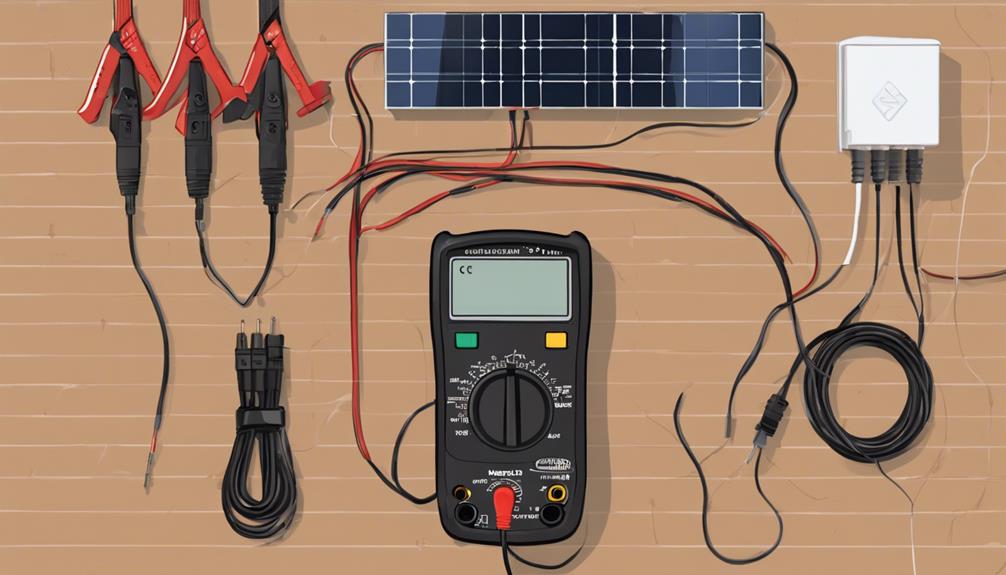
Even the most reliable panels can underperform if installation and system design are poor. Proper racking, correct tilt and orientation, quality wiring, and preventing shading are essential. The inverter and balance-of-system components (combiner boxes, monitoring hardware, connectors) are frequent sources of failure, so their reliability is part of the overall answer to is solar energy reliable. Microinverters and optimizers can improve system resilience by isolating underperformance to individual panels, while robust monitoring helps detect issues early. Choosing an experienced installer with good references can reduce the chance that installation faults will undermine panel reliability.
How brands and warranties influence long-term reliability
Brand reputation and warranty terms are practical indicators when evaluating how reliable are solar panels from different manufacturers. Established companies that invest in quality control and long-term support tend to offer stronger warranties and lower degradation claims. When comparing brands, look beyond marketing: consider the length and scope of product and performance warranties, documented degradation rates, independent test results, and whether the company has a track record of honoring claims. Bankability and financial stability matter for very long-term projects; a warranty from a company that may not exist in a decade is less valuable. Industry reviews and third-party reliability studies can help you compare models within the cluster of solar panel brands and reviews. For a regional perspective, read our analysis on European solar reliability and grid integration challenges.
Practical use cases: residential, commercial and off-grid
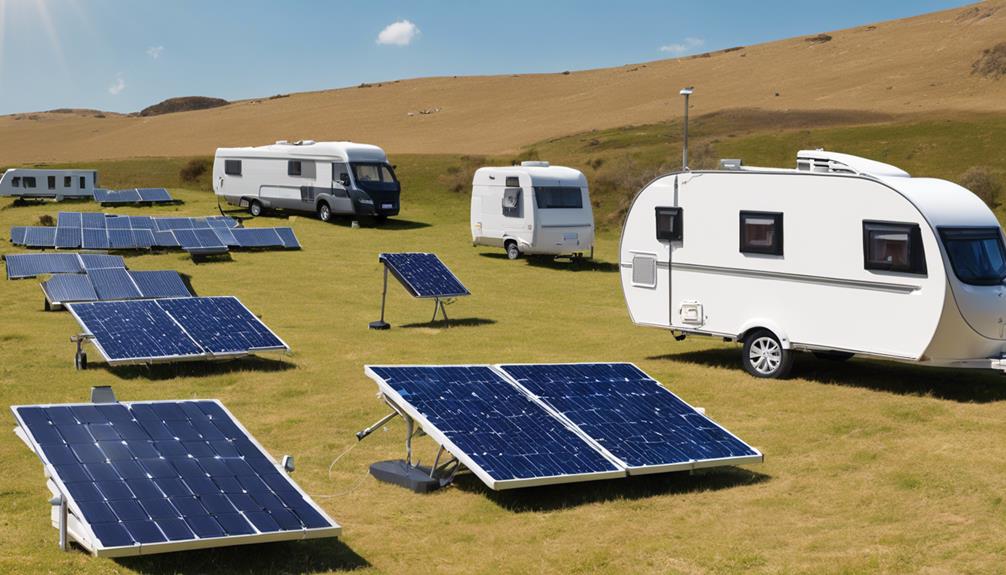
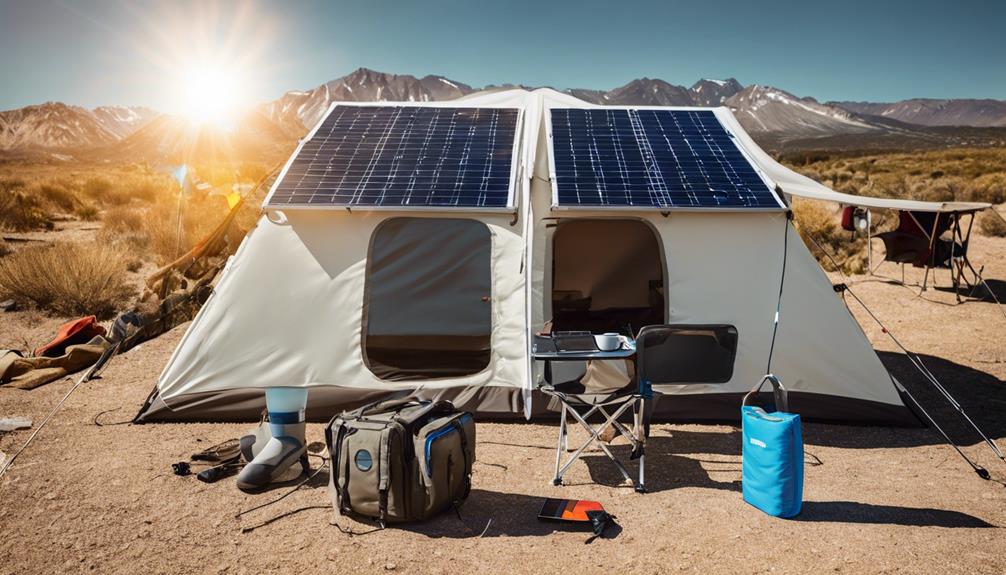
Reliability expectations differ by use case. For grid-tied residential systems, homeowners typically want predictable production for 20–30 years and reliable net-metering or self-consumption. In this context, panels from reputable brands paired with a quality inverter and routine maintenance usually provide dependable service. For commercial rooftops and utility-scale projects, long-term degradation and warranty certainty are even more critical, so developers often select modules with low documented degradation and buy from financially stable manufacturers. Off-grid or remote installations place a premium on ruggedness and simplicity; in these settings, panels with robust frames, simple wiring, and reliable charge controllers and batteries are essential. Across all cases, combining solar panels with monitoring and scheduled inspections improves system reliability and uptime.
Real-world performance and maintenance considerations
Field experience shows that most modern solar panels continue producing well beyond their warranty windows, but performance can vary depending on local conditions. Dust, bird droppings, and heavy snow can temporarily reduce output, while extreme heat can lower efficiency during peak daytime hours. Routine maintenance—occasional cleaning, trimming nearby trees, and monitoring output—keeps systems performing close to expected levels. Regularly reviewing monitoring data allows early detection of underperforming panels or inverter faults. For homeowners asking is solar energy reliable, the practical answer is that with appropriate component choices and modest upkeep, solar systems can be highly dependable.
Deciding how reliable are solar panels for your property means evaluating the combination of panel technology, manufacturer reputation, installation quality, and environmental factors. Look for low degradation rates, strong warranties, and independent performance data, and prioritize reputable installers who provide thorough documentation and post-installation support. When designed and maintained well, solar energy is a reliable, long-lasting source of electricity for a wide range of applications.