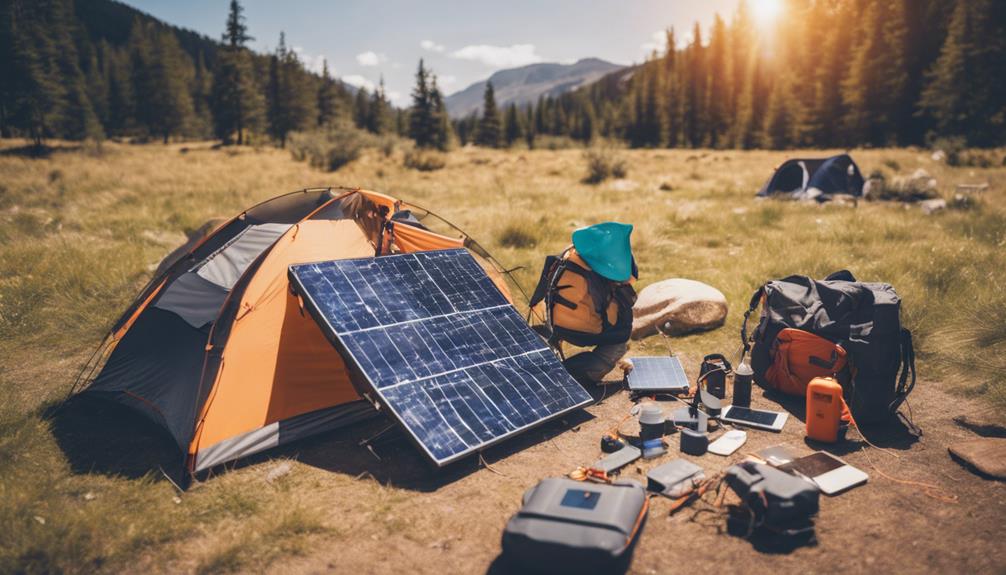
Solar uninterruptible power supply systems are becoming an essential element for anyone designing reliable off grid solar systems. A solar powered UPS combines solar generation, energy storage, and intelligent power electronics to deliver continuous power during outages, unpredictable grid conditions, or far-off installations with no utility connection. This article explains how these systems work, practical use cases, sizing and installation considerations, and maintenance tips to help property owners, integrators, and installers choose the right approach for their off-grid needs. For extended outages, integrate solar uninterruptible power supplies with off-grid solar setups for reliable autonomy.
How a solar uninterruptible power supply works
At its core, a solar uninterruptible power supply integrates photovoltaic panels, a charge controller or MPPT, a battery bank, and an inverter/UPS unit that manages the transition between renewable and stored power. Under normal conditions the solar array powers loads and charges the batteries. If the solar input drops suddenly or an outage occurs, the UPS section provides seamless power to critical loads without interruption. Modern systems use smart controllers to optimize battery life, regulate charging, and handle bi-directional power flows when paired with a generator or limited grid connection.
Key components and technology choices
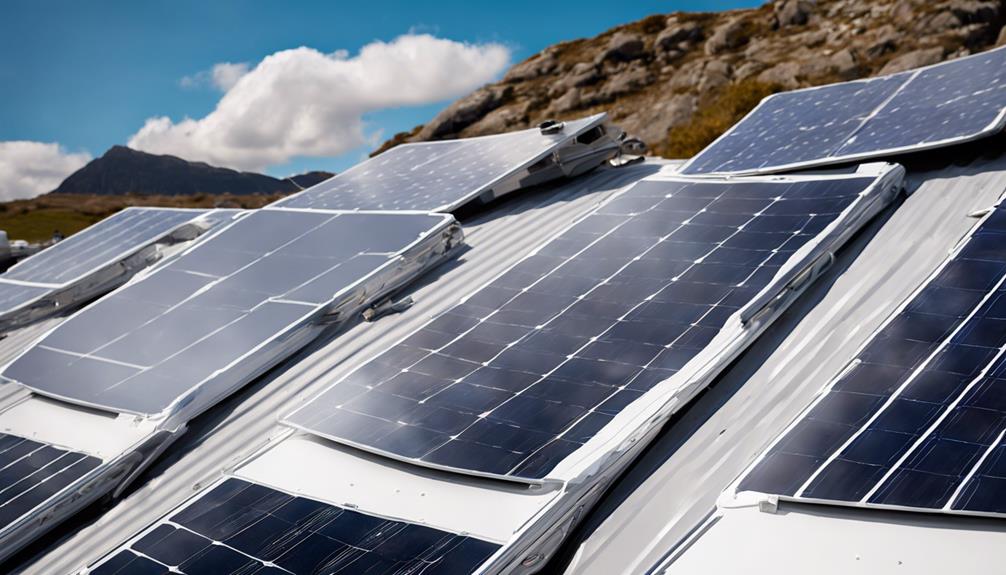
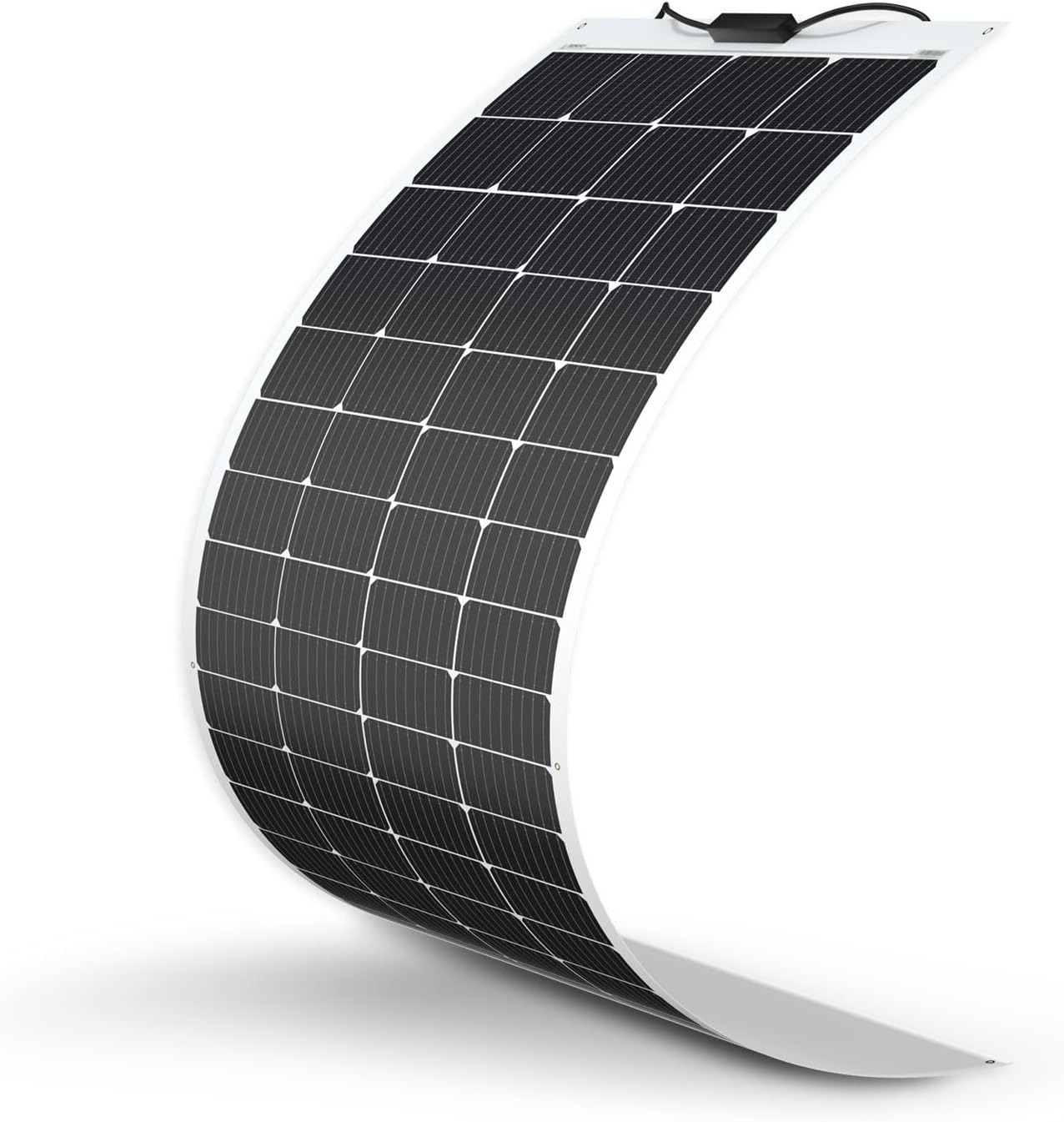
The major components influence performance, reliability, and cost. Solar panels provide the primary energy source, and selection should prioritize efficiency and durability for remote installations. Charge controllers—ideally MPPT units—maximize energy harvest and protect batteries. Batteries are the heart of the system: lithium iron phosphate (LiFePO4) batteries are increasingly preferred for their higher cycle life, depth of discharge, and faster charging compared with traditional lead-acid types. The inverter/UPS must support the required surge capacity for motors and inductive loads and offer features like automatic transfer, pure sine wave output, and configurable charging algorithms. Safety devices such as fuses, breakers, surge protectors, and proper grounding are critical in off grid solar systems to protect equipment and people.
Practical use cases for solar powered UPS systems
Solar powered UPS solutions are versatile across residential, commercial, and remote applications. For homes in wildfire-prone or storm-prone regions, a solar uninterruptible power supply can maintain home security systems, refrigeration for medications, and communication devices during long outages. In remote cabins, RVs, or off-grid tiny homes, these systems provide a reliable alternative to noisy generators, enabling quiet, sustainable living. Telecommunications and remote monitoring stations rely on solar UPS configurations to keep repeaters, sensors, and control electronics online. Small businesses, medical clinics in rural areas, and emergency response centers also benefit from the immediate switchover and energy independence that these systems provide.
Sizing and planning for reliable performance
Proper sizing ensures the solar powered UPS meets runtime and resilience expectations. Start by listing critical loads and their continuous and peak power draws. Calculate daily energy consumption in watt-hours and factor in efficiency losses from inverters and wiring. Battery capacity should be sized to supply desired autonomy—typically expressed in days of backup—while accounting for depth of discharge and temperature effects. Solar array size must replenish used energy within available sun hours and allow for seasonal variability. Designers of off grid solar systems often include a safety margin and consider hybrid approaches, such as pairing solar with a small generator or adding smart load-shedding to prioritize the most critical devices during extended cloudy periods. A solar uninterruptible power supply is crucial for reliable off grid systems during extended outages.
Installation, configuration, and safety considerations
Installation of a solar uninterruptible power supply should follow manufacturer instructions and local electrical codes. Proper siting of panels to maximize sun exposure, use of appropriate mounting hardware, and attention to shading are essential. Batteries require a ventilated, temperature-controlled enclosure to prolong life and ensure safety; lithium batteries have different BMS and cooling needs compared with lead-acid. Inverter configuration must match the system topology—standalone, hybrid, or grid-interactive—and be tested for automatic transfer response time and compatibility with sensitive electronics. Certified installers will also include surge suppression and grounding, and verify that the UPS delivers a clean sine wave output suitable for medical devices, network equipment, and motors where necessary.
Maintenance, monitoring, and lifecycle considerations
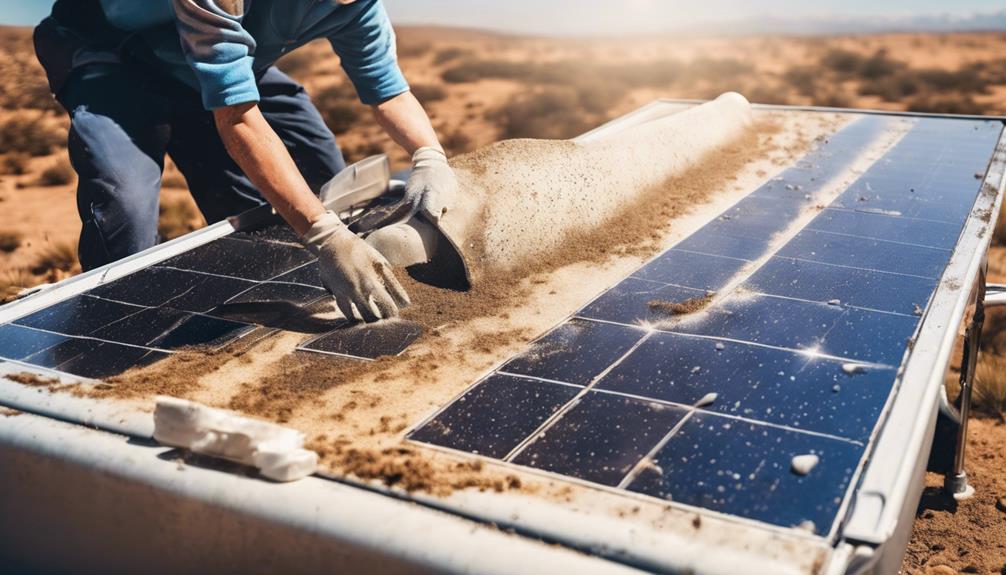
Maintaining a solar powered UPS involves periodic inspections of panels, wiring, and mounting hardware, as well as battery health checks. Monitoring systems that report battery state of charge, solar production, and load consumption help catch issues early and optimize performance. For battery systems, follow recommended charging cycles and perform capacity tests annually if the system is critical. Firmware updates for intelligent inverters and charge controllers can improve efficiency and add features; keep devices updated in consultation with manufacturers. Expect different lifecycles for components: panels can last 25 years or more, inverters typically 5 to 15 years, and batteries depend on chemistry and usage; planning for battery replacement is crucial when estimating total cost of ownership.
Choosing between a prepackaged solar UPS and a custom-designed off grid solar system depends on site specifics, budget, and technical requirements. Prebuilt units simplify installation and provide tested interoperability, while custom systems offer flexibility for unusual load profiles or expansions. Evaluate certifications, warranty terms, and local service availability when selecting equipment for mission-critical applications.
As off grid solar systems become more widespread, integrating a reliable solar uninterruptible power supply is a practical way to ensure continuous power without dependence on the grid. Whether protecting a family’s safety and comfort, keeping a remote sensor network online, or providing backup for critical small-business operations, a well-designed solar powered UPS delivers resilience, cleaner energy, and reduced operating costs over time. Careful sizing, quality components, and routine maintenance will maximize reliability and extend system life, making a solar UPS an excellent investment for many off-grid and hybrid energy projects.