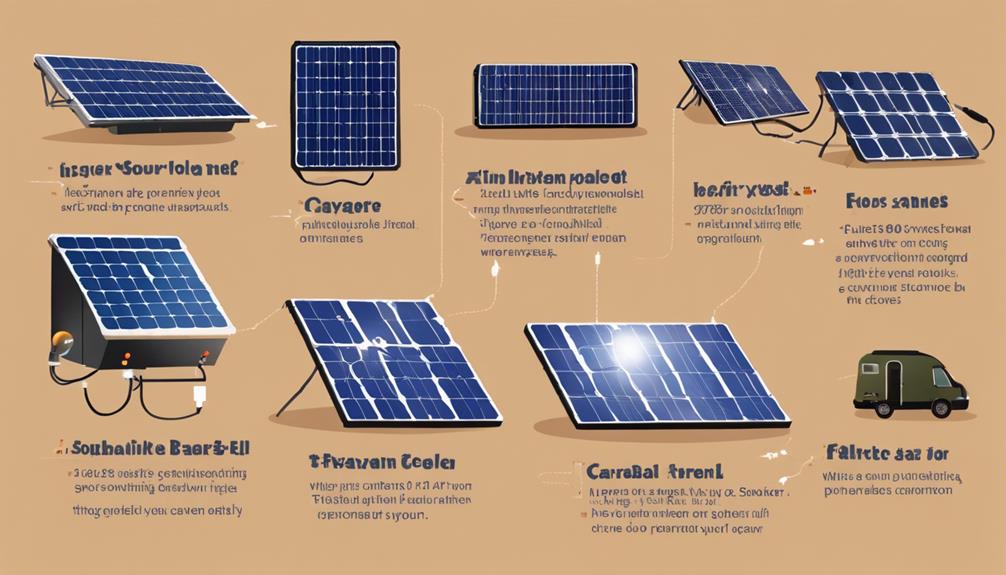
Moving toward a comfortable off-grid lifestyle in an RV often brings up a critical question: can you run air conditioning without relying on campground hookups or a noisy generator? A solar powered AC for RV setups are increasingly practical thanks to advances in high-efficiency panels, lithium batteries, and inverter technology. This article explains how these systems work, what to consider when planning capacity, and real-world use cases so you can decide whether a solar-driven cooling solution fits your travel style. Learn how an RV's solar powered AC integrates with off-grid solar setups for reliable, mobile cooling.
How a solar powered AC for RV actually works
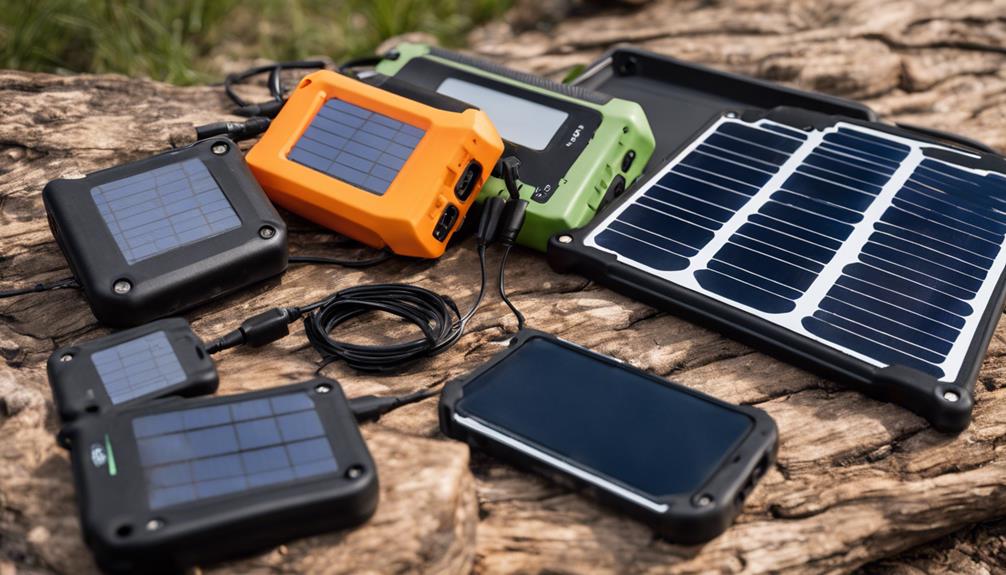
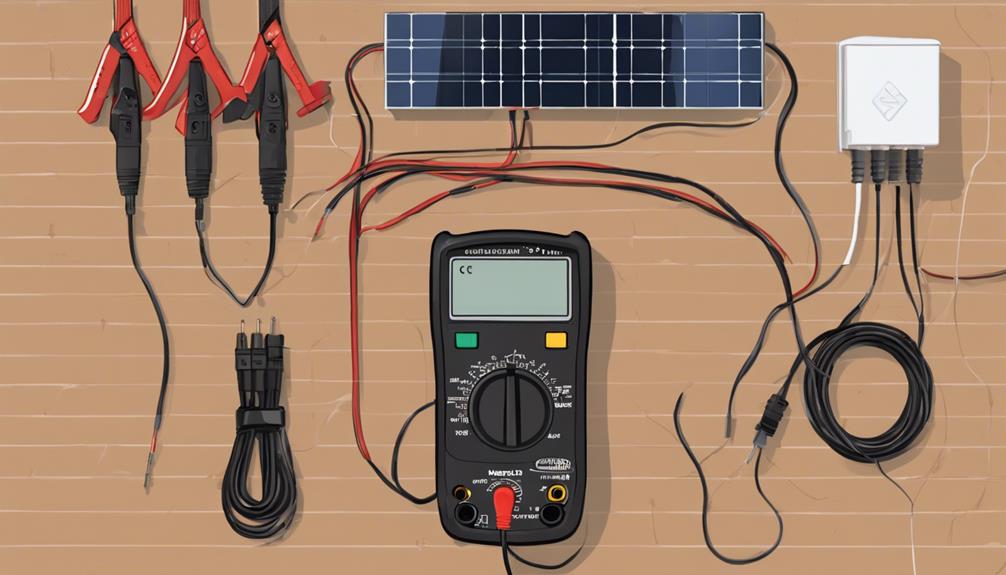
A solar powered AC for RV relies on four key components: solar panels to generate electricity, a charge controller to manage charging, a battery bank for storing energy, and an inverter to convert DC battery power to the AC power the air conditioner needs. When the sun is strong, rooftop or portable rv ac solar panel arrays produce DC power that charges batteries through an MPPT charge controller. The inverter then supplies the continuous AC current required to run the air conditioner during hot periods and supplements power when panels are underperforming.
Sizing your system: panels, batteries, and inverter
Start by determining the continuous and surge power requirements of the air conditioning unit you plan to use. Many RV roof air conditioners draw between 1,000 and 2,500 watts when running and require higher surge capacity on startup. To run an inverter efficiently, choose one sized for both continuous draw and peak startup surge. For example, a 3,000 watt pure sine inverter is common for a medium used mini-split or rooftop unit.
Next, calculate battery capacity. If you want several hours of cooling without sun, a large lithium battery bank is the most efficient option because of higher usable capacity and longer cycle life. A 48V or multiple 12V lithium setup providing several kilowatt-hours of usable energy is typical for full daytime and evening use. Remember to factor in inefficiencies and inverter losses, and include a safety margin so batteries are not deeply discharged too frequently.
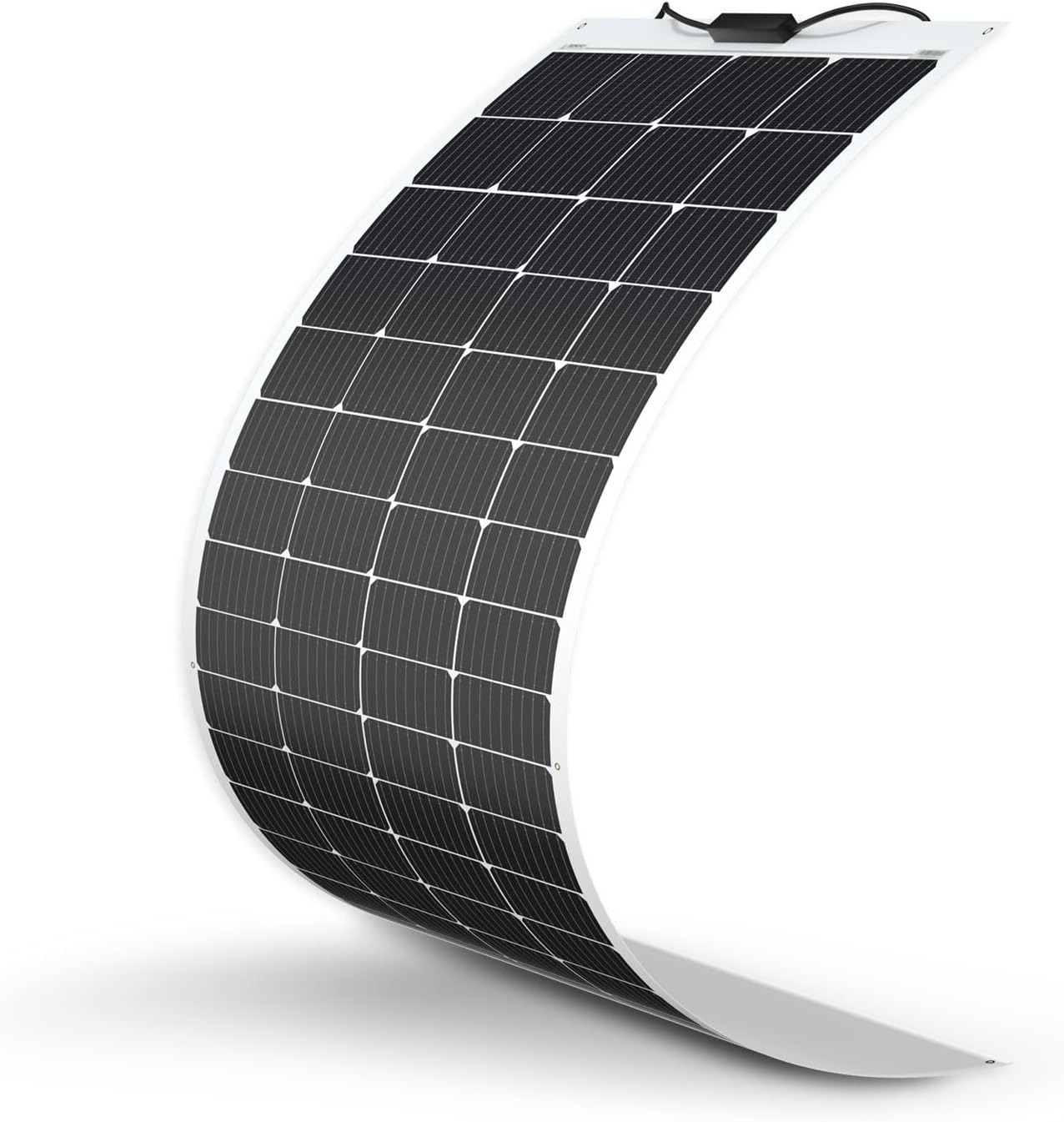
Finally, plan solar array size. Higher wattage panels shorten recharge time and can allow direct daytime operation in many cases. For consistent daytime air conditioning, you may need several hundred to a thousand watts of rv ac solar panel capacity on the roof or via deployable panels. MPPT controllers help extract maximum power from the array, especially during variable sunlight.
Types of air conditioners best suited for solar RV setups
Not every RV air conditioner is equally efficient when paired with an off-grid solar system. DC-powered rooftop units and inverter-driven mini-split systems are often the best match. DC units eliminate inverter conversion losses, while inverter mini-splits modulate compressor speed and run far more efficiently than conventional single-speed rooftop units. A high-efficiency mini-split can dramatically reduce the solar and battery capacity required for comfortable cooling, making a solar powered AC for RV much more achievable.
Some RV owners prefer hybrid configurations: a small, efficient mini-split for daytime and battery-backed cooling, with a portable generator reserved for extreme conditions or extended cloudy stretches. This hybrid approach reduces the size and cost of the solar array and battery bank while still delivering reliable comfort when needed. When installing a solar powered RV AC, compare off-grid power sources to match load and runtime.
Installation and practical use cases
Installation varies based on RV size and climate. For short boondocking trips in mild climates, a modest array of portable solar panels, a medium lithium battery, and a 2,000 to 3,000 watt inverter might suffice to run an efficient AC during part of the day. For extended off-grid living in hot regions, a full rooftop array combined with a larger battery bank and fixed inverter offers continuous daytime use and several hours of evening cooling.
Practical use cases include full-time van life owners who want predictable comfort without hookups, families in an RV during summer camping trips who prefer silent off-grid operation, and remote workers who need a climate-controlled workspace. In urban or forested campsites where generator noise and emissions are disadvantages, a well-designed solar system can be a quieter, cleaner alternative.
Tips for maximizing efficiency and extending runtime
To get the most from a solar powered AC for RV, prioritize efficiency in both the building envelope and the cooling equipment. Improve insulation, install reflective window coverings, and use shade when possible to reduce heat load. Select an inverter with high efficiency and low idle draw to minimize parasitic losses. Configure the charge controller and battery management system to protect battery health and ensure consistent performance.
Consider smart energy management: programmable thermostats, timed cooling cycles, and prioritizing battery charging during peak sun hours. Portable rv ac solar panel arrays can supplement rooftop panels during hot spells or be angled optimally for mid-day sun. Finally, regular maintenance of panels, batteries, and air conditioning equipment keeps the system running at peak efficiency and extends component life.
Solar powered AC for RV setups are not one-size-fits-all. They require careful planning, realistic expectations about performance, and thoughtful integration of panels, batteries, and efficient cooling technology. However, for many RVers focused on off-grid solar systems, the benefits—silent operation, lower fuel use, and greater independence—make the investment worthwhile. With the right design, you can enjoy comfortable, reliable cooling on the road while minimizing reliance on hookups or generators.