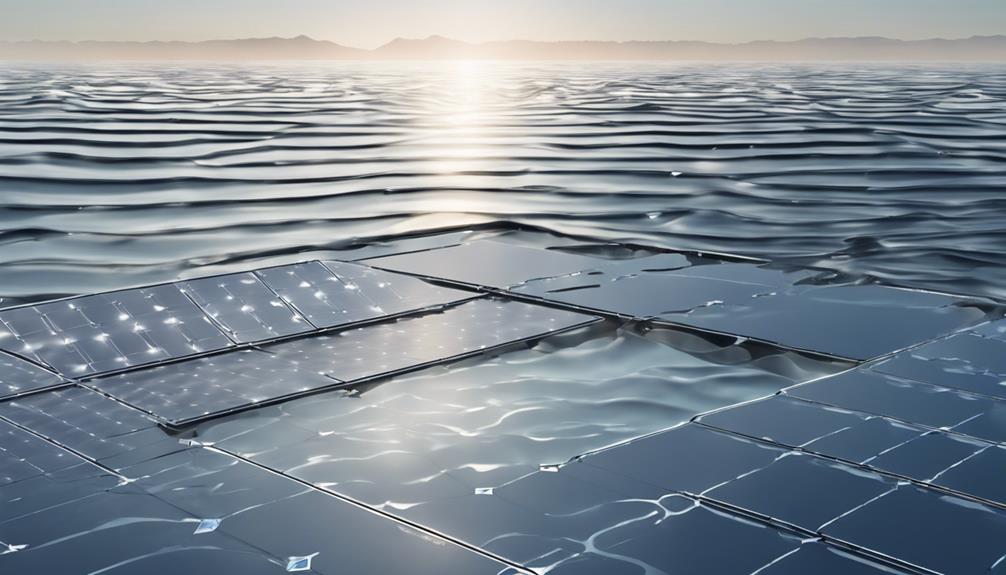
Lowering your monthly electricity expenses is a practical goal that benefits both your wallet and the environment. Learning how to lower power bill involves a mix of immediate behavior changes, small upgrades, and longer-term investments in home efficiency. This article walks through actionable energy efficiency and home improvement strategies—rooted in proven energy saving tips—that residents can apply to reduce electricity consumption and manage energy cost more effectively. Consider home energy upgrades to reduce monthly bills while improving comfort and long-term property value.
Start with quick, high-impact changes
Some of the best energy saving tips are simple and require little to no upfront cost. Start by switching incandescent bulbs to LED alternatives, which use a fraction of the energy and last years longer. Lowering your thermostat by a degree or two in winter and raising it slightly in summer can cut HVAC energy use significantly; programmable or smart thermostats make these changes automatic. Unplug chargers and electronics when not in use, as standby power draws add up. These straightforward steps show how to save electricity at home immediately and are essential first moves for anyone asking how to lower power bill.
Improve home efficiency to reduce power consumption
Investing in home energy efficiency tips pays off over time. Proper insulation and sealing air leaks around doors, windows, and attics keeps conditioned air inside and reduces strain on heating and cooling systems. Replacing single-pane windows with energy-efficient models or adding storm windows can also lower heat transfer. Upgrading to ENERGY STAR-rated appliances, including refrigerators, washers, and dishwashers, reduces electricity usage while improving performance. Together, these home energy saving tips show how to reduce electricity usage in a way that lasts beyond short-term habits.
Use smarter appliances and controls
Technology offers many methods to save energy without changing your lifestyle drastically. Smart power strips cut power to groups of devices when not in use, while smart plugs allow scheduling for high-draw appliances. A smart thermostat adapts to your routine and can reduce heating and cooling bills during absences. Consider modern heat pump systems for heating and cooling; they are among the best ways to save electricity in moderate climates. Upgrading to high-efficiency water heaters, or adding tankless or heat pump water heaters, reduces the energy used for hot water. These measures demonstrate how to save electrical energy at home through targeted upgrades.
Adopt daily habits that lower your electricity bill
Behavior matters: how you use appliances affects consumption. Run full loads in the dishwasher and washing machine and use cold water wash cycles when possible. Air-dry clothing and use dryer sensors instead of timed cycles to save energy. Cooking with lids on pots and using microwave ovens for small meals reduces stove energy use. For lighting, focus light where you need it and turn off lights when leaving a room; these actions address how to lower light bill and are part of broader tips on conserving electricity. Teaching household members simple practices builds a culture of conservation and reduces the cumulative demand on your electrical system. Consider HVAC upgrades to improve system efficiency and significantly lower your monthly power bills.
Plan for long-term investments and monitoring
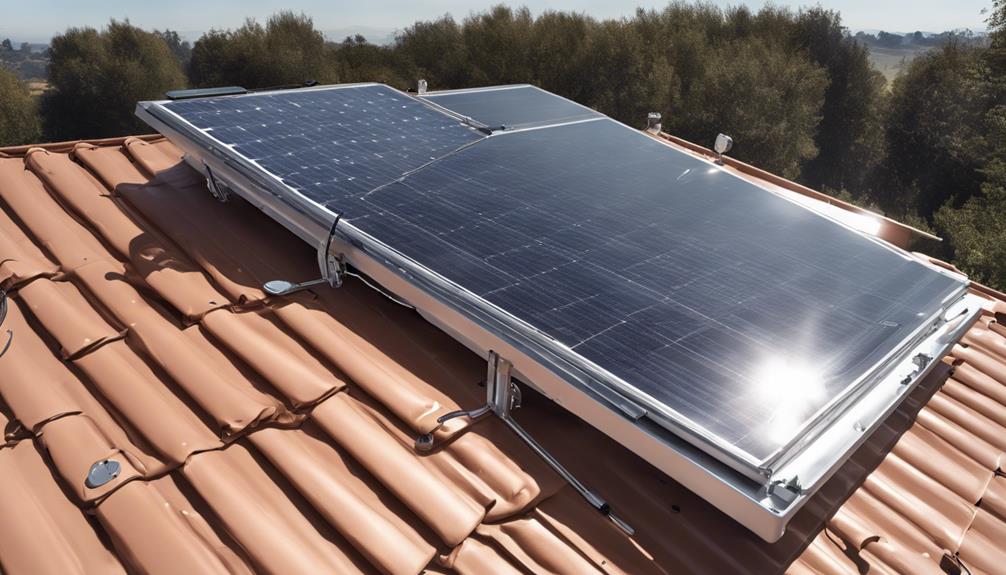
Some of the most significant reductions in energy cost come from longer-term investments. Installing rooftop solar panels can cut or eliminate your electric bill in many regions; pairing panels with battery storage increases resilience and allows for load-shifting to avoid peak rates. Conducting a professional energy audit identifies the home-specific opportunities to reduce power consumption, from duct sealing to appliance replacements. Consider replacing older HVAC systems with high-efficiency models and upgrading to programmable or zoned controls to heat and cool only occupied spaces. These options explain how to reduce power bills strategically and how to minimize electric consumption through planned upgrades.
Manage energy costs and take advantage of programs
Beyond reducing usage, managing how you pay for energy helps lower overall costs. Many utilities offer time-of-use rates or demand-response programs; shifting high-energy activities to off-peak hours can reduce bills. Explore rebates and incentives for energy-efficient appliances, insulation, and renewable installations—these programs lower upfront costs and shorten payback periods. Comparing electricity providers where markets allow, or enrolling in budget billing plans to avoid seasonal spikes, are additional ways to save money on power. Understanding rate structures and incentive programs is a practical piece of how to cut power bill effectively.
Reducing your electric bill is a combination of immediate behavior changes, efficient technologies, and strategic investments. Start with the best energy saving tips—LED bulbs, thermostat adjustments, and unplugging idle devices—then move to efficiency upgrades like improved insulation and high-efficiency appliances. Use smart controls to optimize usage and consider long-term options such as solar or major HVAC upgrades when feasible. By applying these energy efficiency tips and home energy saving tips, you can lower power bill, reduce environmental impact, and enjoy lasting savings.