Understanding your average electricity consumption is one of the most practical steps you can take to lower monthly bills, improve home comfort, and prioritize energy efficiency. Whether you live in an apartment or a detached home, knowing how much power your household draws and where it is used helps you make targeted improvements. This article explains how average electricity consumption is calculated, breaks down common energy use by appliance, shows how to measure electric energy consumption in your home, and offers realistic ways to reduce usage without sacrificing comfort.
What average electricity consumption means for households
Average electricity consumption typically refers to the amount of electrical energy a household uses over a specific period of time, often measured in kilowatt-hours (kWh) per month or per year. Utilities report consumption in kWh on bills, and that figure includes everything from lighting and refrigeration to heating and electronics. It’s important to separate short-term spikes—like a hot day that drives up air conditioning use—from longer-term patterns that indicate inefficiencies. By focusing on average consumption rather than single high-use events, homeowners can create realistic plans for energy efficiency and home improvement projects.
Typical electric energy consumption by appliance and room
Breakdowns of electric energy consumption show that a few systems usually account for the largest shares of household use. HVAC systems, including air conditioners and electric heating, often represent the biggest portion in many climates. Refrigerators and freezers run continuously and contribute a steady baseline load. Water heaters, washers, dryers, ovens, and lighting follow, with emerging loads from home office equipment and entertainment systems also growing. Understanding these patterns helps you prioritize upgrades. For example, improving insulation and installing a programmable thermostat can reduce heating and cooling loads more than replacing an occasional light bulb.
How to measure and monitor your electricity usage
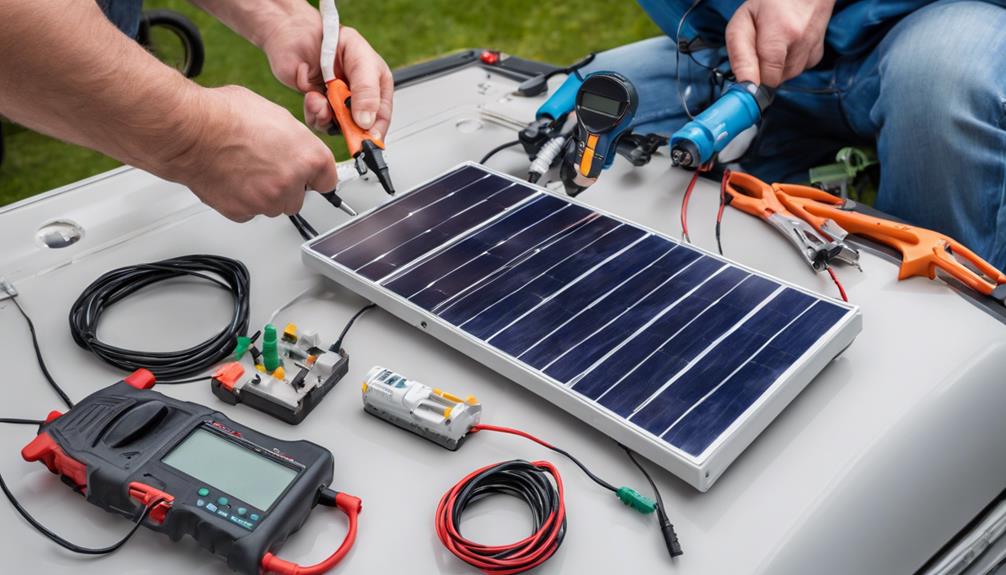
Measuring electric energy consumption starts with reading your utility bill to find monthly kWh totals and comparing those across seasons. For more granular insight, use a smart meter, a whole-home energy monitor, or plug-in metering devices that measure individual appliances. Smart plugs can track the power draw of a coffee maker or a television, while whole-home monitors mounted at the electrical panel report real-time usage and historical trends. Mobile apps that connect to these devices make it easier to visualize spikes and see the impact of changes you make. Regular monitoring turns estimates into actionable data and can reveal phantom loads from standby power.
Practical steps to reduce average electricity consumption
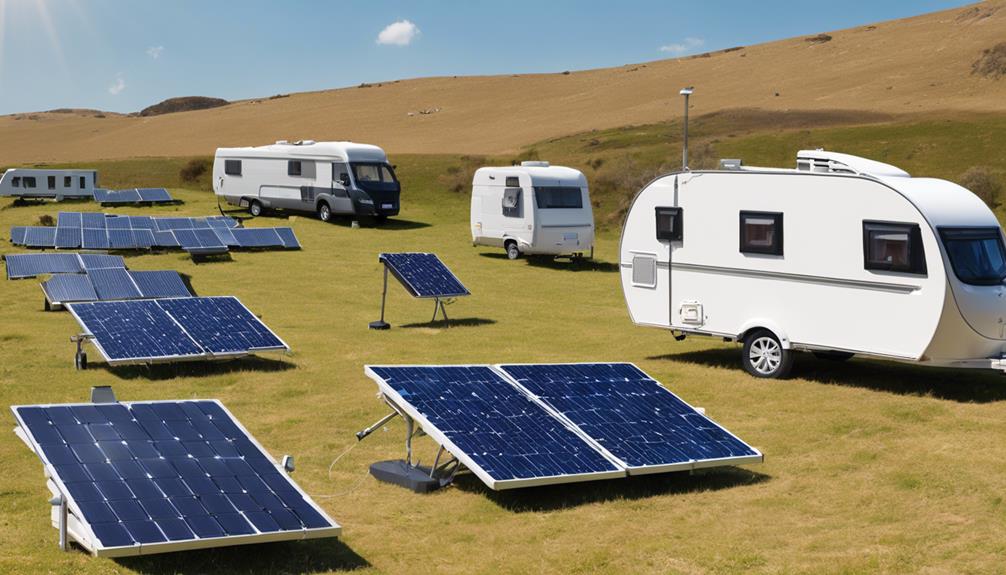
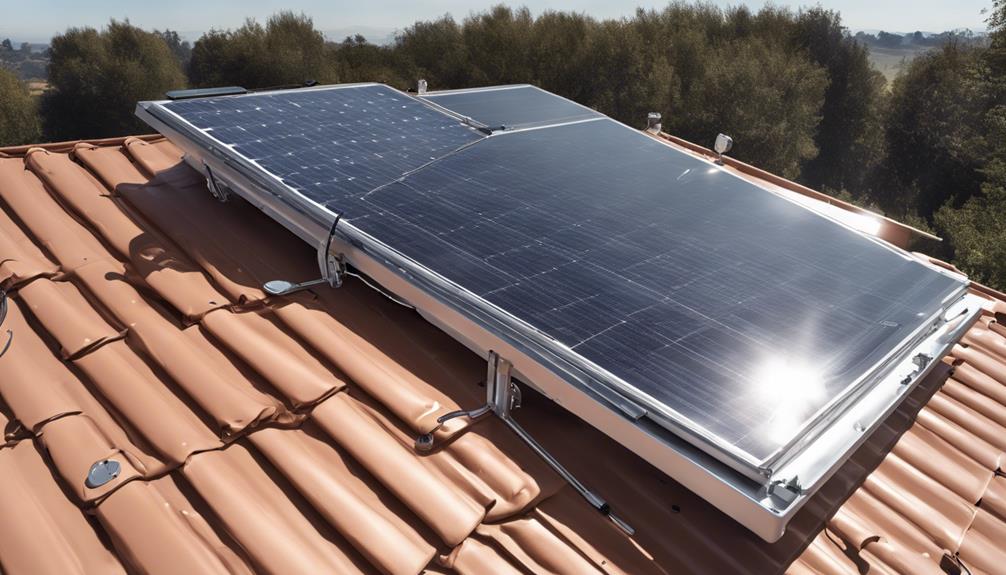
Reducing average electricity consumption combines behavioral changes with targeted upgrades. Start with low-cost steps: switch to LED lighting, lower thermostat settings by a degree or two, and unplug chargers and idle electronics. For more substantial savings, improve insulation, seal air leaks, and upgrade to a high-efficiency HVAC system or heat pump if appropriate. Replacing an old refrigerator or water heater with ENERGY STAR rated models often pays back in energy savings. Installing a smart thermostat and zoning your heating and cooling can reduce wasted energy in unused rooms. Solar panels paired with battery storage are longer-term investments that can significantly offset grid consumption where roof orientation and local incentives make sense.
Real-world examples and use cases
Consider a two-story suburban home where heating and cooling account for 45 to 50 percent of total electric energy consumption. By improving attic insulation and sealing ductwork, the homeowner reduced HVAC runtime by about 20 percent, translating to a noticeable reduction in average monthly kWh. In a small apartment, replacing an old fridge and switching to LED lighting cut baseline usage by 15 percent, a tangible improvement achieved with modest upfront cost. For a family that works from home, investing in a whole-house monitor revealed a home office setup that consumed more power overnight than expected; adjusting sleep settings and swapping in an efficient laptop charger reduced that surplus. These practical examples show that measurement followed by targeted upgrades produces the best returns.
Balancing comfort, cost, and long-term savings
Decisions about reducing consumption should balance comfort and budget. Not every upgrade is right for every household: a new HVAC system can be costly but may be essential in regions with extreme weather, while simple weatherization and behavior adjustments may be more appropriate elsewhere. Evaluate payback periods for larger investments and take advantage of rebates and tax incentives where available. Tracking changes in electric energy consumption after upgrades will confirm whether projected savings materialize and help plan future home improvement steps. Ultimately, the goal is to lower average consumption while maintaining the lifestyle you want.
Average electricity consumption is a useful metric that empowers homeowners to make informed energy efficiency choices. By measuring usage, understanding which appliances drive demand, and implementing a mix of low-cost and strategic upgrades, you can reduce electric energy consumption, lower bills, and increase home comfort. Regular monitoring and periodic reassessment ensure improvements continue to deliver value, making energy efficiency a practical and sustainable part of home improvement planning.