Investing in solar energy has moved from niche environmental concern to mainstream financial decision. Homeowners, businesses and institutional investors now weigh the long-term savings, predictable energy costs and environmental benefits of solar against alternative investments. Whether you are considering a residential rooftop system, a share in a community project or buying into solar technology companies, understanding the practical benefits and the pathways to invest will help you make informed choices that align with both your financial goals and sustainability priorities.
Why invest in solar energy now
Energy markets have become more volatile, and electricity prices are subject to geopolitical and supply chain pressures. Investing in solar energy can lock in lower marginal energy costs and reduce exposure to rising utility bills. Beyond cost stability, solar reduces greenhouse gas emissions and supports local energy independence. For many homeowners, installing panels also boosts property value and makes a home more attractive to buyers who value lower operating costs and environmental responsibility. In short, the combined economic, environmental and social drivers make this an opportune time to consider solar investments.
How solar investments deliver tangible savings
Solar installations cut monthly electricity expenses by generating on-site power. In regions with net metering or feed-in tariffs, excess generation can earn credits or payments, accelerating payback. Commercial installations often achieve scale economies that further improve returns, and community solar projects offer subscription-based savings for renters or people who cannot install panels directly. Beyond direct bill reduction, investors benefit from tax incentives, accelerated depreciation for businesses and, in many markets, local rebates that reduce upfront costs. When assessing any solar panel investment, it is important to look at lifetime system production, expected degradation, and inverter warranties, since these factors determine real-world savings.
Types of solar investments to consider
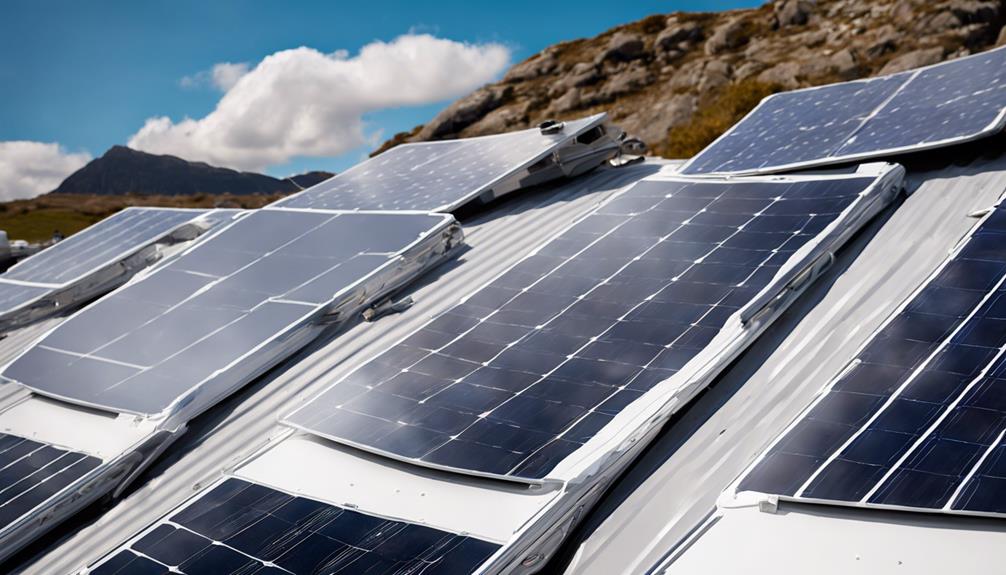
There are several ways to participate in the solar sector. The most common route for individuals is a residential solar panel investment, buying and installing panels on a home either outright or through financing. For multi-family properties and businesses, larger rooftop or ground-mounted systems offer higher output and improved economies of scale. Community solar allows customers to buy or subscribe to a portion of a communal array and receive bill credits without installing equipment on their own property. For investors seeking financial exposure without managing hardware, solar technology investment can include buying stocks of manufacturers, developers and installers, or investing in exchange-traded funds and private equity funds focused on renewables. In some European markets the term solaranlage investment is commonly used to describe financing for photovoltaic installations, and those opportunities often include leasing arrangements or bond-like products backed by panel cash flows.
Assessing return on investment and available incentives
Calculating ROI for solar requires realistic estimates of system output, local solar irradiance and future electricity prices. Payback period is typically expressed in years and depends on installation costs, incentives and financing terms. Many governments and utilities provide tax credits, rebates and performance-based incentives that substantially shorten payback. For businesses, accelerated depreciation rules can yield tax benefits that improve cash flow in early years. Additionally, renewable energy certificates and local incentive programs can provide recurring revenue in certain markets. When evaluating a solar panel investment, request transparent production estimates from installers and consider professional energy audits to confirm expected savings. Always factor maintenance costs and potential inverter replacements into long-term projections.
Practical steps to start investing responsibly
Begin by defining your investment goals: immediate bill savings, long-term asset value, or portfolio exposure to clean technology. For property owners, get multiple quotes from licensed installers and compare equipment warranties, manufacturer reputations and performance guarantees. If you are pursuing a solaranlage investment through third-party financing or a community project, review contract terms carefully, especially around ownership, maintenance responsibilities and transferability. For financial investments in solar technology, perform due diligence on company fundamentals, supply chain risks and policy exposure. Financing options range from cash purchase and loans to power purchase agreements and leases; each has different implications for incentives and ownership. Finally, plan for ongoing system monitoring and routine maintenance to ensure panels deliver expected performance over their 25-year+ lifetimes.
Risks and considerations before committing capital
No investment is without risk, and solar is no exception. Geographic variability affects production, and extreme weather events can damage equipment. Policy changes, such as reduced incentives or altered net metering rules, may affect revenue models. For technology-focused investments, market competition, material cost volatility and supply chain disruptions can impact manufacturers and installers. Homeowners must also consider roof condition and orientation, permitting timelines and potential homeowner association restrictions. Mitigating these risks involves careful site assessment, choosing reputable providers, diversifying investment approaches when possible and staying informed about local energy policies that influence returns.
Investing in solar energy offers a practical path to reduce energy costs, strengthen the resilience of your household or business and support the transition to a low-carbon economy. Whether you pursue a direct solar panel investment, participate in a solaranlage investment scheme or take positions in companies driving solar technology investment, thoughtful planning and realistic financial analysis are essential. By comparing options, understanding incentives and preparing for long-term maintenance, you can make a solar investment that aligns with both your financial objectives and sustainability values.