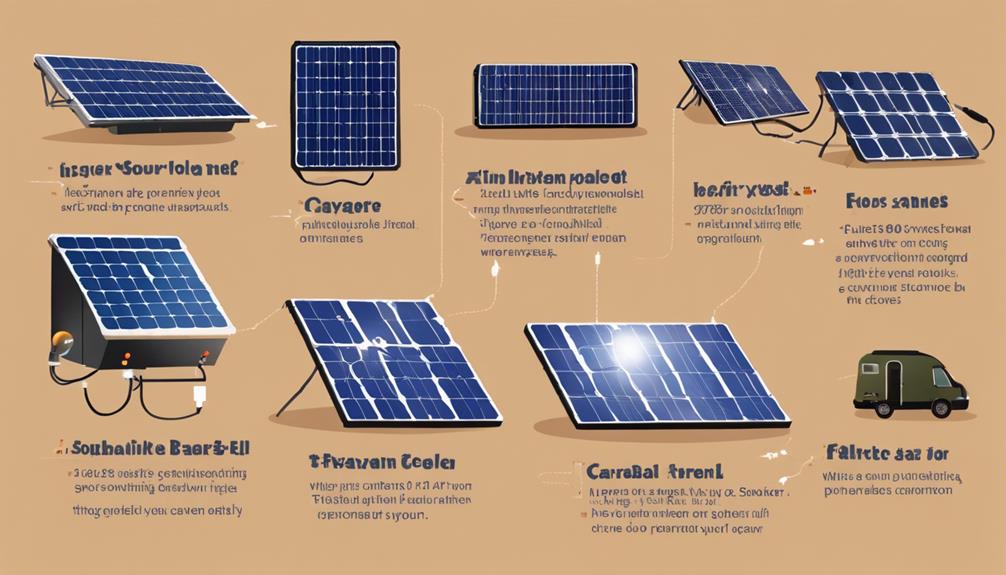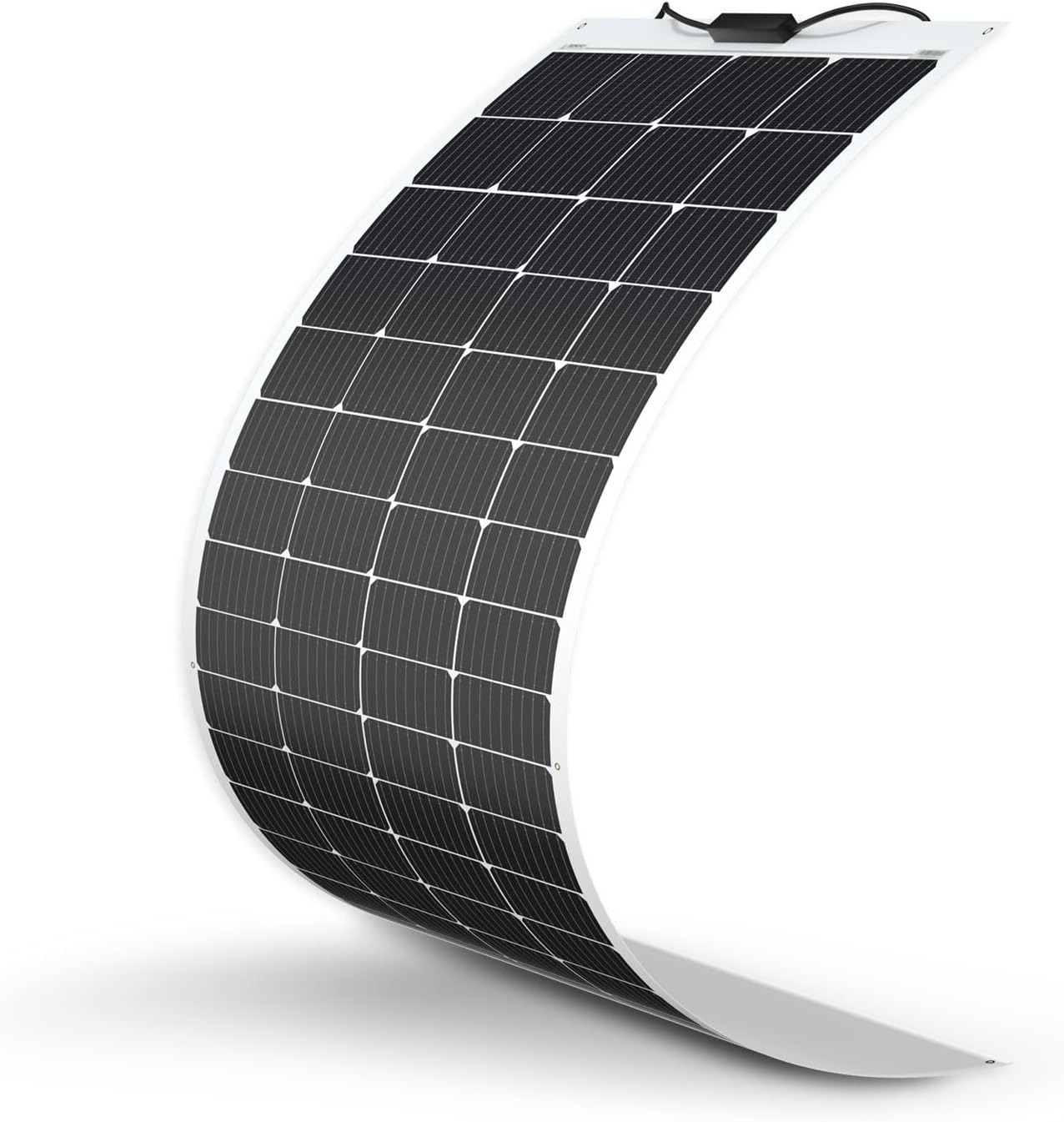
Many homeowners and businesses dream of tapping into free solar energy to eliminate or dramatically reduce their electricity bills. While solar panels themselves are not typically free, a growing variety of programs, financing options, and policy tools make accessing free solar power—or solar electricity with little to no upfront cost—realistic for a wide range of situations. This article explains how free solar energy can be achieved, practical use cases, steps to access available options, and the common considerations that affect long-term savings. Explore how free solar energy leads to significant solar cost savings and long term household budget relief.
How free solar power becomes possible
Free solar power usually refers to arrangements where the end user experiences little or no upfront cost for installation and benefits from reduced or zero ongoing electricity costs. Several common mechanisms make this possible. Power purchase agreements and solar leases allow homeowners and businesses to host panels installed by a third party in exchange for either a fixed monthly payment or a contract to buy the produced electricity at a set rate. Community solar projects enable renters and apartment dwellers to subscribe to a shared solar array and receive credits on their utility bill, effectively accessing free solar energy without installing equipment on their property. In addition, government incentives, rebates, and low-income solar grants can reduce or eliminate installation costs and sometimes provide ongoing credits that approximate free power.
Practical use cases for free solar energy
There are practical scenarios where free solar power delivers immediate value. Homeowners with suitable roofs can enter into a solar lease or PPA and start saving on their electricity bills from day one while the provider owns and maintains the system. Renters and condominium owners can join community solar programs that allocate a share of a large solar farm’s output to subscribers, lowering their utility bills without any physical changes to their buildings. Schools and non-profit organizations often qualify for grants and incentives that cover the full cost of panels, making solar effectively free and freeing up budget for educational programs or community services. Small businesses sometimes negotiate zero-upfront commercial PPAs that let them lock in predictable energy rates, improving cash flow while reducing long-term operating expenses.
Maximizing benefits and long-term savings
To get the most from free solar energy options, combine the right program with efficiency measures and smart energy management. Upgrading insulation, sealing air leaks, and switching to efficient appliances reduce total electricity demand and increase the proportion of energy supplied by solar, improving savings. Adding battery storage can capture daytime solar production for evening use, further reducing grid consumption and protecting against outages—this enhances home security and resilience during power interruptions. Understanding time-of-use utility rates and shifting high-energy activities like laundry or EV charging to peak solar production times can maximize credits and lower bills. Finally, reviewing local net metering rules and the length and terms of any third-party contract ensures expectations for savings are realistic over the term of the agreement. Explore how free solar initiatives are contributing to Europe's broader shift toward sustainable green energy solutions.
How to access free solar energy in your community
Start by auditing your current energy use to understand how much electricity you need and when you use it. Next, research local programs: many utilities publish information about community solar subscriptions, renewable energy credits, and rebates. Contact reputable installers to learn about lease, PPA, and purchase options; ask for performance estimates and examples of similar installations. For renters, explore community solar and green tariff programs that allow participation without a property owner’s approval. Low-income households should look for state and federal assistance programs that specifically fund no-cost solar installations for qualifying residences. Finally, check the fine print of any agreement for escalation clauses, maintenance responsibilities, and end-of-contract options so your path to free solar power is clear and sustainable.
Considerations, limitations, and potential downsides
While the idea of free solar energy is attractive, there are limitations and trade-offs to consider. Third-party ownership models typically transfer system ownership—and sometimes property value implications—to the provider, and contract terms can vary widely, so it is important to review them carefully. Not all roofs are suitable due to shading, orientation, or structural condition, and renters may have fewer options depending on regional community solar availability. In some markets, utility policies on net metering and solar credits are changing, which can affect long-term savings when agreements allow for rate resets or restructured compensation. It’s also important to be aware of scams and overly aggressive sales tactics; choose licensed, experienced installers and consult consumer protection resources before signing agreements.
Free solar power is becoming more accessible through creative financing, community projects, and public incentives, making it a viable component of many homeowners’ and businesses’ energy strategies. By understanding program types, matching the right option to your circumstances, and pairing solar with efficiency and storage where possible, you can capture the financial and environmental benefits of free solar energy while planning for reliable long-term savings.