If you are considering a low-profile, integrated way to generate power at home, solar tiles for sale are becoming an increasingly popular option. Unlike traditional rack-mounted panels, these products replace or integrate with roofing materials to provide a more seamless look while converting sunlight into electricity. This article explains what these systems are, how they compare with conventional residential solar panels, the practical use cases for homeowners, and key considerations when shopping for solar roof solutions. If you're considering solar tiles for your roof, see our home solar systems overview for comparisons.
What are solar tiles and how do they work?
Solar tiles—also known as solar energy roof tiles, solar roof slates, or solar shingles—are roofing components that incorporate photovoltaic cells directly into materials designed to look like conventional roofing. They can be made from tempered glass, composite shingles, or thin-film materials and are installed either across the entire roof or in select sections. Once in place, they operate like standard solar panels: sunlight excites the photovoltaic cells, generating direct current that an inverter converts to alternating current for home use. Many modern systems include monitoring capabilities to track production and can be combined with battery storage to maximize self-consumption.
Benefits of choosing solar energy roof tiles for homes
The primary appeal of solar roof tiles is aesthetics. For homeowners who want renewable energy without the visual impact of conventional panels, these products are designed to blend with roofing profiles and curb appeal. In addition, solar roof shingles for sale can be installed as part of a roof replacement, providing dual-purpose value: new roofing protection and energy production. Other benefits include potential increases in property value, reduced energy bills, and, in some cases, improved durability compared with older roofing materials. For historic or visually sensitive neighborhoods, the less conspicuous appearance of solar roof slates is a particular advantage.
Comparing solar tiles, solar shingles, and traditional panels
Not all integrated solar roofing is identical. Solar shingles for sale typically resemble conventional asphalt shingles but contain photovoltaic cells, while solar roof slates mimic stone or slate tiles. The main differences compared with standard rooftop solar panels lie in efficiency, cost, and installation complexity. Traditional panels currently offer higher efficiency per square foot and are often less expensive for the same energy output. However, solar tiles offer aesthetic and sometimes logistical advantages, especially for roofs with complex geometry where racks would be impractical. When deciding between options, weigh the visual benefits and roof replacement timing against the cost per watt and expected energy production.
Buying solar tiles for sale: costs, suppliers, and warranties
When shopping for solar roof shingles for sale, price is a major consideration. Integrated systems typically come with a premium compared with conventional panels, partly because installation can involve full roof work and specialized labor. Costs vary widely depending on material, manufacturer, and whether the project includes battery storage or requires structural upgrades. Reputable suppliers usually offer long-term warranties that cover both the roofing component and the photovoltaic performance. It is important to review warranty terms carefully to understand coverage for weather damage, manufacturing defects, and power output degradation over time. Requesting multiple quotes from certified installers and verifying contractor credentials can help ensure a reliable outcome. Compared with Solar Tiles For Sale, the 500W module option delivers significantly higher per-panel energy output.
Installation, permitting, and practical use cases
Installation of solar energy roof tiles often requires coordination between a roofer and a solar electrician. Because these tiles may serve as both weatherproofing and energy equipment, proper sealing and flashing details are critical. Permitting and inspections can be more involved than for panel installations, so working with experienced local professionals can streamline the process. Practical use cases for integrated solar include homes undergoing roof replacement, properties in aesthetic or historic districts, and owners seeking to improve curb appeal while adding renewable energy. For smaller roofs or for homeowners who prioritize maximum efficiency, conventional rooftop panels may still be the better choice.
Maintenance, performance, and long-term considerations
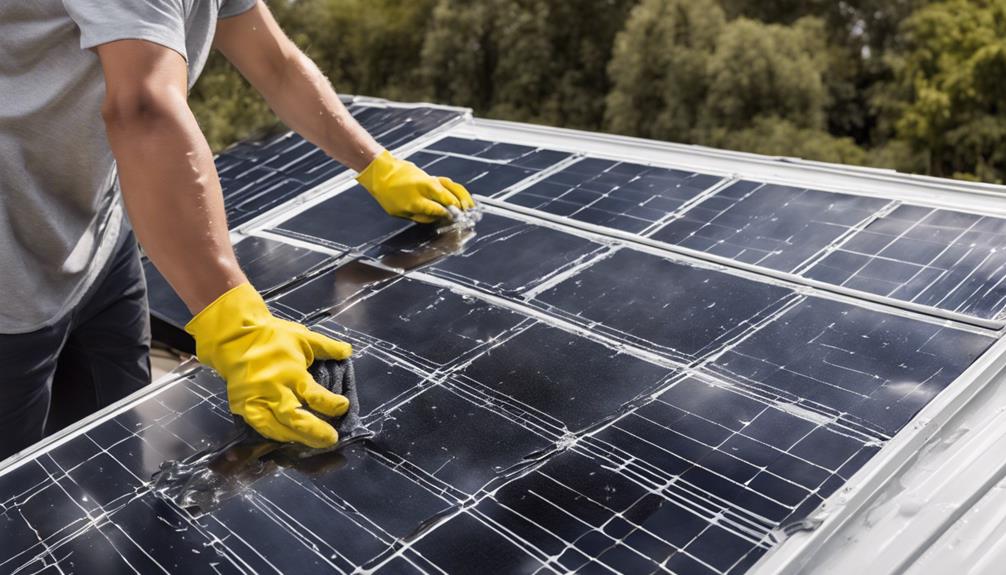
Maintenance needs for solar roof slates and shingles are generally similar to those of traditional panels: keep surfaces free of debris, inspect for damage after storms, and ensure electrical connections remain secure. Because integrated tiles are part of the roof envelope, any roof repair or replacement can be more complex and may require matching or replacement tiles. Performance-wise, expect modest year-over-year degradation like other photovoltaic products, and factor in local climate and shading when estimating energy output. Homeowners should also explore local incentives, tax credits, and rebate programs that may reduce upfront costs and improve the payback period for solar tiles purchased today.
Choosing between solar tiles for sale and standard residential solar panels depends on your priorities: aesthetics and roof integration versus maximum efficiency and lower cost per watt. By understanding product differences, getting competitive quotes, and confirming warranty and installation details, homeowners can select a solution that fits their budget, design preferences, and long-term energy goals.