Understanding photovoltaic panels weight is an important step for any homeowner considering a residential solar panels installation. Weight affects roof load capacity, transportation, handling, and the choice between rooftop and ground-mounted systems. This article explains typical solar module dimensions and weights, shows how to calculate the total system load, and offers practical guidance so you can decide whether your roof needs reinforcements or a professional structural review.
Why photovoltaic panels weight matters for residential roofs
When people ask how much do solar panels weigh, the underlying concern is usually whether their roof can safely support the additional load. Photovoltaic panels add both dead load and, depending on mounting method, additional ballast or attachment hardware weight. Building codes and local permitting authorities consider roof live and dead loads, and installers need to ensure the combined weight of panels, rails, and accessories does not exceed design limits. In most residential cases the added weight is modest and well distributed, but older roofs, steep pitch, and areas with high snow loads require extra attention. Evaluating pv panel weight early in the planning process prevents surprises and helps determine if a structural engineer or roof upgrade is necessary.
Typical photovoltaic panels weight and solar module dimensions
Solar panel weight varies by cell count, materials, frame design, and whether the panel is a traditional glass-on-glass, glass-on-backsheet, or a lightweight thin-film module. For mainstream residential modules, a typical 60-cell panel measures roughly 65 inches long by 39 inches wide (about 1.65 by 1.0 meters) and commonly weighs between 35 and 50 pounds (16 to 23 kilograms). Larger 72-cell modules, more common in commercial systems, are longer—around 77 inches—and weigh more, often 45 to 65 pounds (20 to 30 kilograms). Newer larger commercial size solar panels and high-capacity modules used in ground-mounted arrays and utility-scale projects can weigh 70 pounds (32 kilograms) or more. A useful rule of thumb is that most framed crystalline silicon panels fall in the range of about 2 to 4 pounds per square foot, though exact solar panel weight per model should be verified on the manufacturer’s datasheet.
How panel size and solar panel length affect layout and weight calculations
Solar module dimensions influence both system layout and the number of panels needed to reach a target capacity. Solar panel length is particularly relevant when planning rows on a pitched roof or designing clearances for eaves and ventilations. A longer, heavier panel may reduce the number of modules required but increase the handling complexity and the concentrated weight at attachment points. To assess the impact, look at the panel’s physical dimensions and weight per unit area. For instance, two different modules that deliver the same wattage could have different lengths and weights; comparing watts per square foot helps understand how much roof area and load each panel contributes. When calculating pv panel weight for a roof, account for panel spacing and racking so you can determine distributed pounds per square foot accurately rather than assuming all weight concentrates in one spot.
How to calculate total system weight for your home
Start by collecting the weight and dimensions of the specific panel model you intend to use. Multiply the panel weight by the total number of modules to get the raw module weight. Next add the weight of the mounting system; rooftop racking typically contributes a few pounds per square foot, and rail-based systems for pitched roofs often add 10 to 30 pounds per panel depending on design and materials. Don’t forget flashings, roof attachments, and the inverter’s weight if it mounts on the roof. Divide the combined weight by the roof area covered to obtain the pounds per square foot the array will impose. For example, a 6 kW residential system using fifteen 60-cell panels at 40 pounds each results in 600 pounds of panels. If the racking and hardware add 200 pounds, the total 800 pounds spread over a 400 square foot roof area equals 2 pounds per square foot, a value many residential roofs can accommodate without reinforcement. If your roof is smaller or you plan heavy ballast on a flat roof, those numbers can rise and a structural assessment becomes advisable.
Installation, handling and differences with commercial modules
How heavy are solar panels in practice affects installation logistics. Most residential panels are light enough for a two-person lift, but installers use care with roof traffic to avoid damaging roofing materials. Commercial size solar panels and larger utility modules often require mechanical lifts, cranes, or forklifts because their dimensions and weight exceed safe manual handling limits. Flat roof installations that rely on ballast to secure arrays intentionally add significant weight to resist wind uplift; those projects must be designed by engineers to ensure roof structure can handle the extra load. In addition to static weight, installers consider dynamic forces like wind and snow that interact with the array. Properly designed attachments and step flashing reduce concentrated loads at mounting points and help preserve roof integrity over the system’s lifetime.
Practical recommendations for homeowners
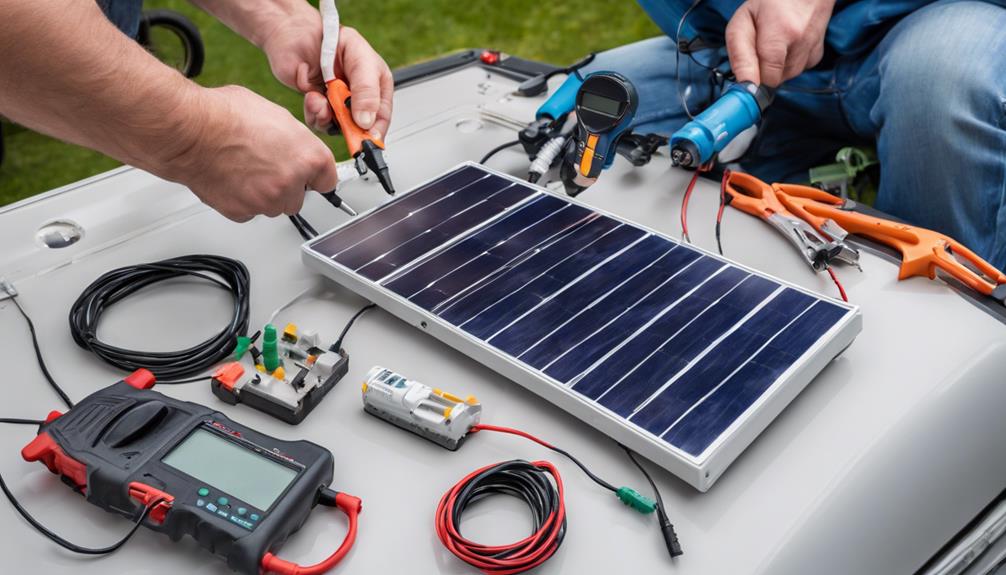
If you are asking how much does a solar panel weigh for your planned residential system, the first step is to request the datasheet for the exact model you expect to install. That document lists solar module dimensions, weight, and mounting recommendations. If your house is older, has known structural issues, or sits in a heavy snow zone, hire a structural engineer to evaluate the roof before installation. Consider replacing an aging roof prior to solar installation to avoid having to remove and reinstall panels for roof work. For flat roofs, discuss ballast versus penetration-mounted systems with your installer so that ballast weight and distribution are optimized. Finally, remember that while panel weight is an important factor, most residential installations add a modest load that reputable installers routinely manage without extra reinforcement.
In summary, photovoltaic panels weight varies by type and size but is usually manageable for modern roofs when planned correctly. Knowing solar panel length and solar module dimensions helps with layout and calculating total load, and consulting the manufacturer datasheet plus a qualified installer or structural engineer ensures a safe, long-lasting residential solar panels installation.