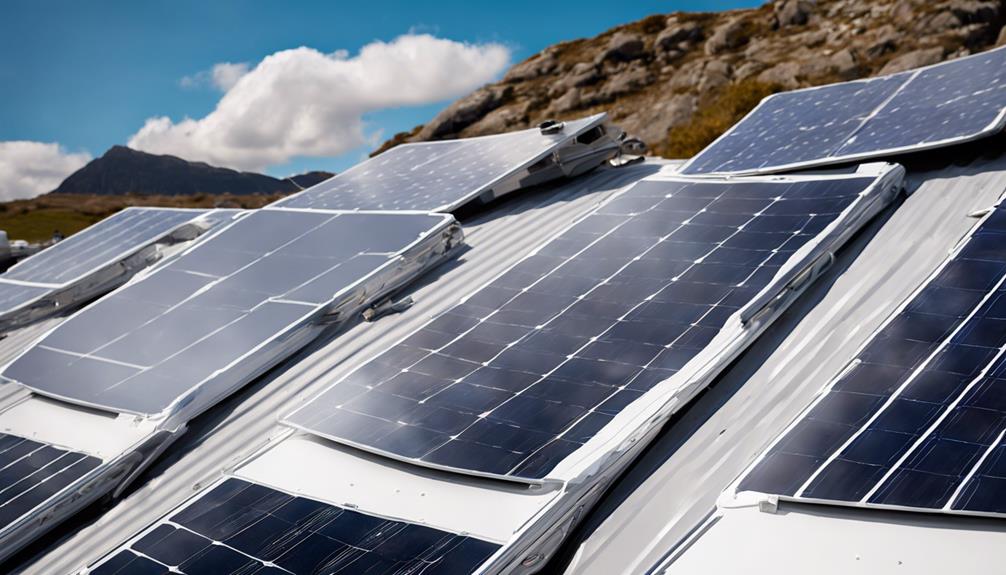
Vehicle solar panels are an increasingly practical and sustainable way to add renewable energy to cars, vans, and recreational vehicles. As part of the Complete Solar Kits & Systems cluster, these solutions range from small top-up panels for auxiliary batteries to integrated arrays that can support refrigeration, lighting, and charging systems on the road. Whether you are outfitting an overland rig, a delivery van, or a family camper, a well-chosen vehicle solar setup can reduce reliance on shore power, lower operating costs, and extend off-grid capability. Vehicle owners can compare complete kits for integrating rooftop panels and battery management in mobile setups.
How vehicle solar panels work on a car roof
The basic principle of vehicle solar panels is the same as any photovoltaic system: sunlight is converted into direct current electricity by photovoltaic cells. On a solar panel car roof, these panels are mounted to the vehicle’s exterior and wired into a charging system that typically includes a charge controller, battery bank, and sometimes an inverter to provide alternating current. A car roof solar panel kit often includes mounting hardware and wiring tailored to vehicle use, but may exclude batteries unless marketed as a complete solar kit. The system manages voltage and prevents overcharging, allowing energy harvested during daylight hours to power lights, run a small fridge, or top up an auxiliary battery for later use.
Benefits of adding a car roof solar panel kit
Installing a car roof solar panel kit brings several benefits beyond simple fuel savings. For campers and overlanders, on-board generation keeps refrigeration, fans, and communications equipment running without idling the engine. For commercial fleets, vehicle solar panels can power telematics, route computers, and refrigeration units, reducing downtime and fuel consumption. Even small setups reduce dependence on public charging infrastructure for electric auxiliary systems, creating a quieter and more environmentally friendly alternative to generators. Additionally, many modern panels are low profile and flexible, minimizing aerodynamic drag and preserving vehicle aesthetics while delivering steady power throughout the day.
Choosing the right car solar panel kit for your vehicle
Selecting the right car solar panel kit depends on vehicle type, available roof space, energy needs, and whether you want a complete solar kits and systems solution. Start by calculating daily energy consumption for the devices you intend to run. Match that demand to the panel’s expected daily output, accounting for seasonal sunlight and latitude. Rigid panels are durable and efficient for roofs with a flat mounting surface, while flexible panels conform to curved roofs and are lighter for smaller vehicles. Consider the included charge controller: MPPT controllers extract more energy under varied conditions than simple PWM controllers. If you prefer a turnkey approach, look for a complete kit that combines panels, a charge controller, and properly rated wiring; for full off-grid capability, a battery pack and inverter sized to your load should be part of the system. Finally, check compatibility with roof rails or factory mounting points and confirm that the kit’s weight and mounting method are appropriate for your vehicle. For extended trips, consider a vehicle power station to integrate vehicle solar panels with stationary generators.
Installation, maintenance, and safety considerations
Installation for a solar panel car roof can be straightforward with a car roof solar panel kit designed for vehicles, but there are important safety and warranty considerations. Professional installation ensures watertight seals where cables pass through the roof and provides correct electrical grounding and fusing to prevent shorts or fire risk. For DIY installations, follow manufacturer instructions for adhesive or bolt-on mounts and use a high-quality marine grade sealant on roof penetrations. Regular maintenance includes cleaning panels of dust and debris, inspecting seals and wiring, and checking charge controller readouts. Be mindful of shading from roof racks, antennas, or cargo, as partial shading can dramatically reduce output unless the system includes bypass diodes or optimizers. Finally, ensure the system integrates with your vehicle’s electrical architecture to avoid interference with onboard electronics and to preserve the factory warranty where possible.
Practical use cases and real-world examples
Vehicle solar panels have seen growing adoption across many use cases. Overland travelers often use a low-profile array plus a battery bank to power a small refrigerator, LED lighting, and device chargers for days without campground hookups. Commercial operators fit vans with panels to maintain coolers that transport perishable goods, reducing the need for engine idling. Emergency responders and mobile clinics employ roof-mounted arrays to power medical equipment and communications when on site. Even urban commuters can benefit by using a small panel to maintain an auxiliary battery for in-car accessories, dash cameras, or for emergency jump-start packs. A typical car solar panel kit tailored to these uses balances power output, weight, and ease of installation to meet the specific operational demands of each vehicle type.
Vehicle solar panels are a practical extension of complete solar kits and systems, providing mobile energy that supports both leisure and professional applications. With careful selection, proper installation, and routine maintenance, a car roof solar panel kit can deliver reliable power, reduce fuel consumption, and expand off-grid capabilities. For anyone considering increased autonomy on the road, evaluating energy needs and choosing a kit that matches those needs is the first step toward a cleaner, more self-sufficient vehicle.