Choosing the right battery generator for RV travel is a decision that affects comfort, safety, and the freedom to camp off-grid. With improvements in lithium battery chemistry, inverter technology, and solar integration, modern battery generators provide reliable power for lights, appliances, and even small air conditioners without the noise and fumes of gasoline generators. This article explains how battery generators work for RVs, how they relate to home solar battery storage concepts, and practical ways to size and use them on the road. Many RV owners compare battery generator performance to solar battery systems for reliable at home backup energy.
Why a battery generator for RV is becoming the preferred choice
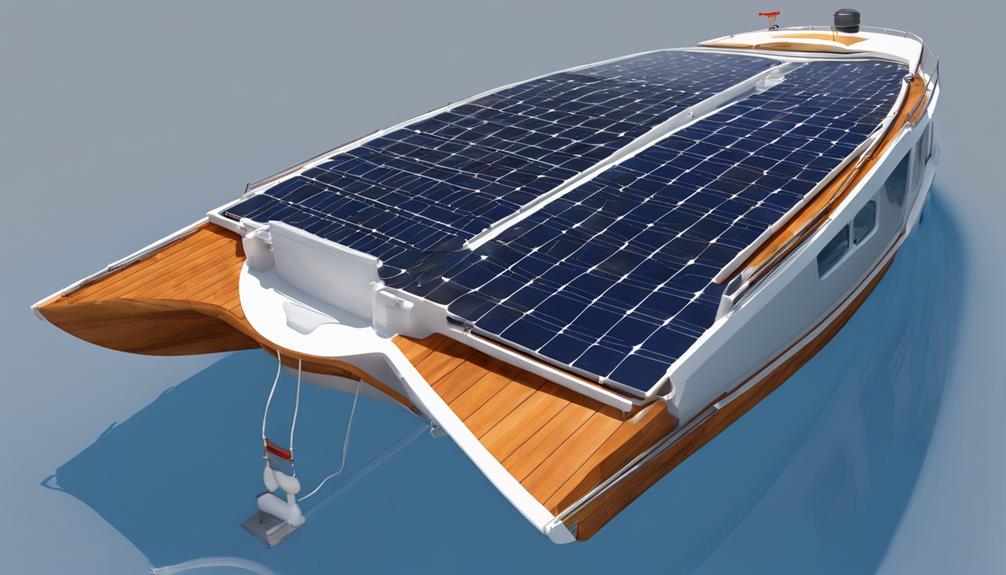
Battery generators offer quiet, clean power that easily integrates with an RV’s electrical system. Compared with traditional gas or diesel generators, they require less maintenance, produce no exhaust at the campsite, and are safer for enclosed spaces. For many RV owners the appeal is twofold: immediate convenience and the ability to pair the generator with on-board solar panels. That combination reduces the need to run fossil-fuel engines and extends time spent off-grid while preserving battery health through smart charging systems.
How battery generators and home solar battery storage share common principles
Although typically smaller than home systems, battery generators for RVs operate on the same principles as residential home solar battery storage: they store energy, invert DC to AC when needed, and manage charging from renewable sources. Understanding these parallels helps RV owners choose systems that are safe and scalable. For example, features such as battery management systems, depth-of-discharge limits, and bidirectional inverters are common to both applications. Learning how a portable battery generator interacts with solar panels on a camper provides insight into how larger home batteries stabilize household loads and support emergency backup.
Sizing a battery generator for RV use and handling air conditioners
Sizing is the most practical concern when shopping for a battery generator for RV use. Basic loads like lights, phones, and a refrigerator can be powered by modest-capacity units, but air conditioners draw significantly more power. If you plan to run a rooftop RV air conditioner, look specifically for a solar generator for RV air conditioner compatibility, which means checking continuous watt ratings, surge capacity, and inverter type. Many small portable generators can handle startup surges for window or low-BTU AC units for short periods, but running a central-style rooftop unit continuously often requires a high-capacity lithium battery generator paired with a robust inverter and, ideally, charging replenishment from solar panels while parked.
Solar generators for campers: portability and charging strategies
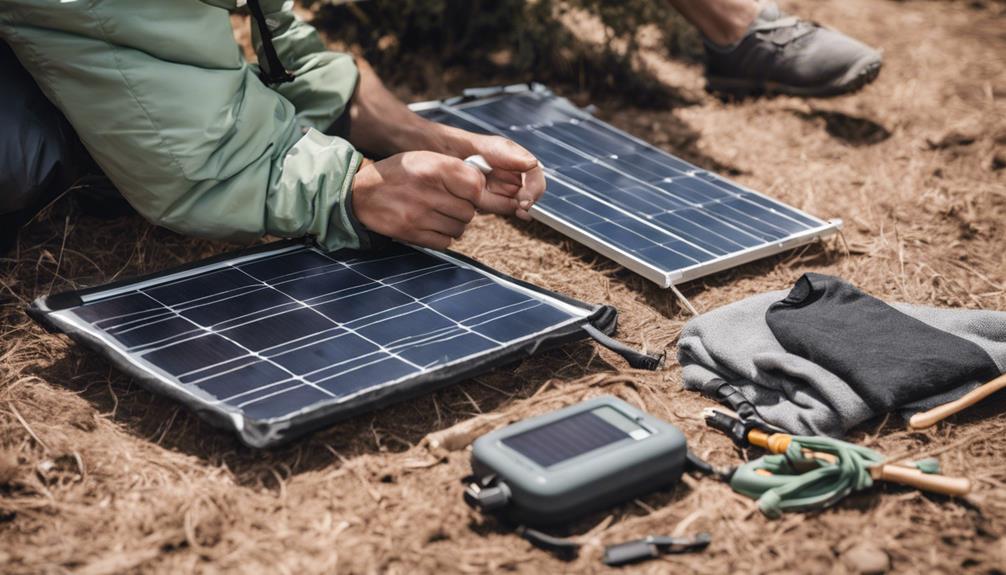
For campers, solar generators emphasize portability and quick recharge. Manufacturers design these units to accept input from flexible or rigid solar panels that can be stowed when not in use. When selecting solar generators for campers, consider the total watt-hours of the battery and how many solar panels you can realistically carry and deploy. A 300 to 1,000 watt-hour unit is often sufficient for weekend trips powering lights, electronic devices, and a small refrigerator, while longer trips or heavier loads require larger capacity. Efficient charging strategies—such as topping up daytime with solar and limiting heavy draws during cloudy periods—extend autonomy and reduce reliance on shore power or gas gensets. Consider upgrading your RV battery generator with a 24V lithium pack for longer runtimes and lighter weight.
Real-world use cases: from weekend excursions to extended boondocking
Real-world RV use cases vary widely. For a weekend excursion, a compact battery generator for RV can comfortably power lights, charge phones and laptops, and run a small 12-volt refrigerator. For extended boondocking, combining a larger battery generator with multiple solar panels creates a sustainable system that can operate lights, run a water pump, and support low-draw appliances for days. Campers who want climate control should carefully match the generator’s capacity with the air conditioner’s starting and running watts; in many situations a hybrid setup that pairs a battery generator with a small inverter-ready air conditioner or a high-efficiency DC unit offers the best balance of comfort and energy consumption.
Maintenance, safety, and tips for maximizing battery life on the road
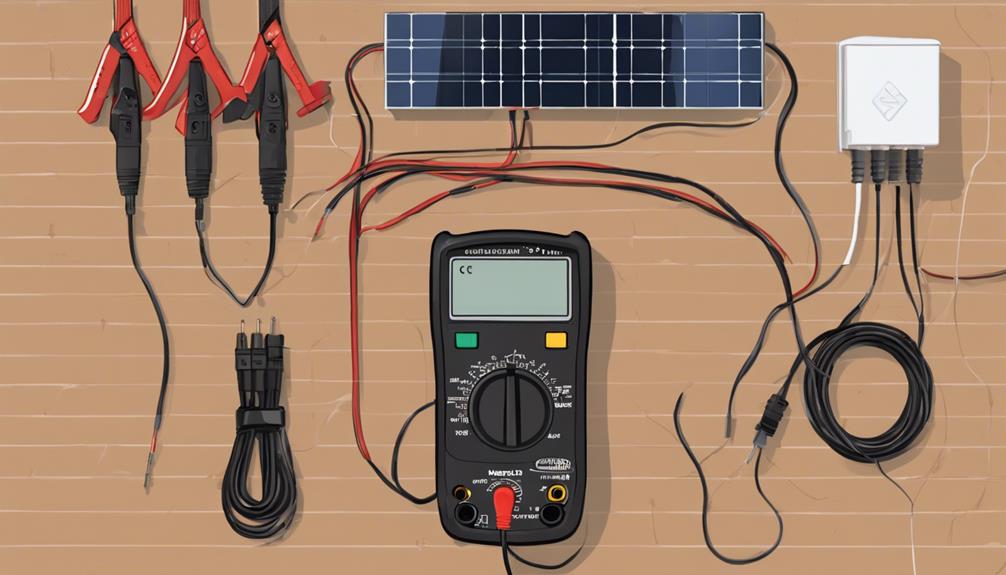
Maintaining a battery generator is straightforward compared with combustion units, but attention to detail extends lifespan. Keep battery terminals and case clean, avoid deep discharges when possible, and store the unit at partial charge in hot or cold conditions to prevent degradation. Use charge controllers and MPPT solar regulators to ensure efficient solar charging and protect against overcharge. For safe operation, place the generator in a dry, ventilated area and follow manufacturer recommendations for charging and load limits. Finally, consider how the battery generator will integrate with your RV’s wiring: a proper transfer switch or inverter connection ensures seamless transition between shore power, engine charging, and portable battery supplies.
Battery generators for RVs are transforming how people camp and travel, bringing quieter, cleaner, and more flexible power options to a wide range of outdoor lifestyles. Whether you’re outfitting a small camper for weekend getaways or building a robust off-grid rig for extended boondocking, understanding capacity, charging methods, and the demands of high-power appliances like air conditioners will help you choose the right system. As home solar battery storage technologies continue to advance, expect further improvements in energy density, cost, and integration that benefit both backyard systems and mobile power solutions for campers.