Choosing a reliable solar panel battery combo can simplify your path to clean, portable power. Whether you are outfitting an RV, preparing for a weekend of camping, or adding backup energy to your home, complete solar kits and systems bring together panels, batteries, and controllers in one package. This article explains what to look for, how these systems work, and practical ways to use them so you can select the best solution for your needs.
Why choose a solar panel battery combo?
A solar panel battery combo pairs photovoltaic panels with energy storage and the electronics needed to manage charging and output. The integrated nature of these kits reduces compatibility issues and makes installation faster than sourcing components separately. For people who want a plug-and-play experience—like those shopping at a solar shop—these combos often include everything needed: mounting hardware, a solar charging system controller, and cables. They also scale from small camping solar battery camping kits to larger setups that can support household loads when combined with a solar inverter kit.
What’s inside a complete kit and how it works
A typical combo contains solar panels, a battery or battery bank, a charge controller, and sometimes an inverter. The panels convert sunlight into DC electricity, the charge controller optimizes battery charging to prevent overcharging, and the battery stores energy for use when the sun is down. If you need AC power for appliances, a solar inverter kit converts stored DC into usable AC power. For portable setups, some packages are marketed as a solar generator kit, combining a battery with inverter and integrated outlets to create a mobile power station. Advanced kits may also include monitoring features to track energy production and consumption.
Common practical use cases
RV and vehicle power
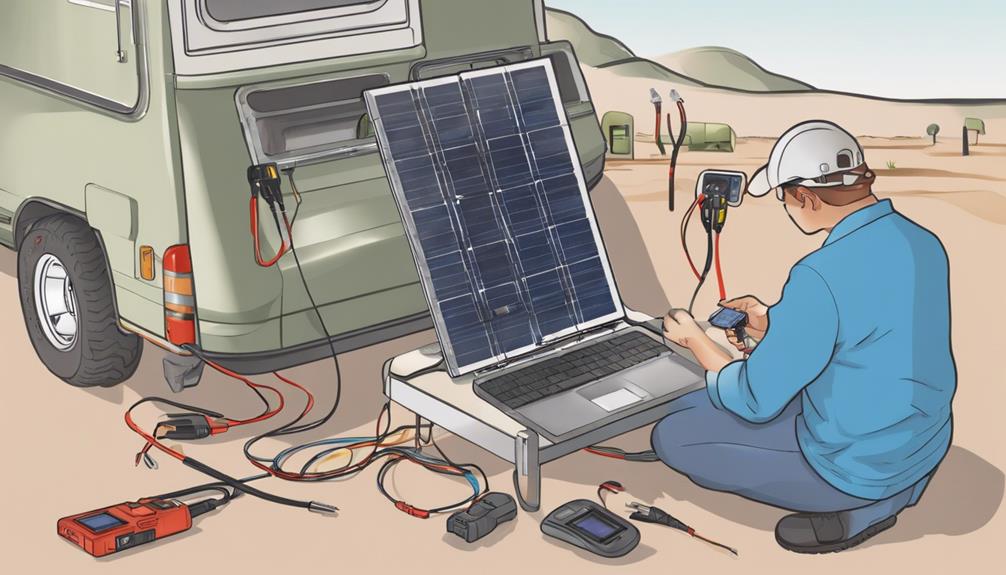
For van life and RV owners, a solar panel battery combo provides independence from campground hookups. A system sized correctly with an rv solar charger or dedicated charge controller keeps house batteries healthy while running lights, fans, and small appliances. Many travelers opt for flexible panel options or roof-mount arrays paired with a robust battery bank to achieve multi-day autonomy. Solar on board solutions are especially valuable for extended trips or off-grid stops where grid power is unavailable.
Camping and weekend getaways
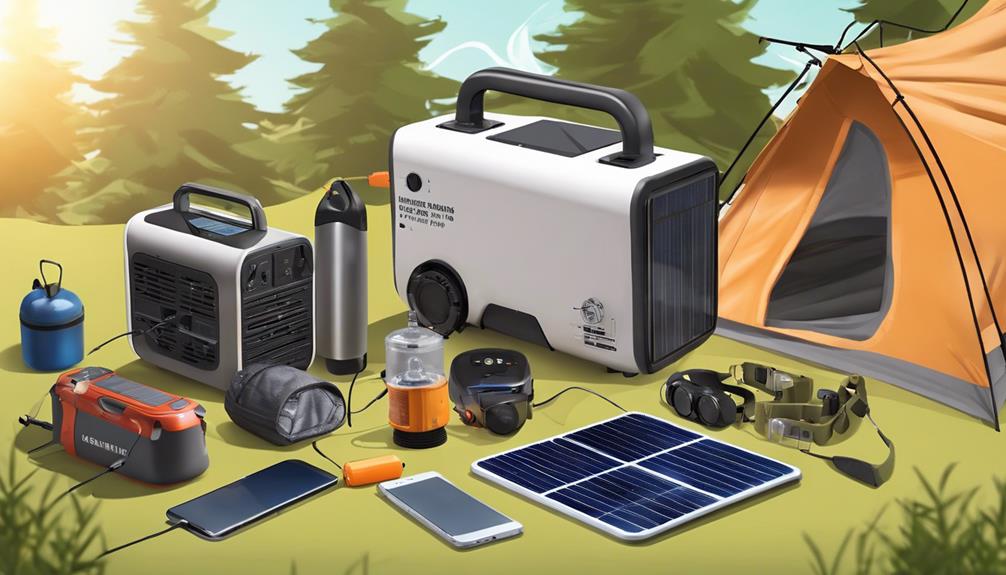
Camping solar panel and battery kit options range from compact, foldable panels with integrated batteries to modular systems that expand as needs grow. These kits can run phones, LED lights, portable fridges, and small cookers without the noise and fumes of a gas generator. The convenience of a solar battery camping setup is that it removes the complexity of wiring separate components while keeping weight and packability in mind.
Home backup and off-grid living
On a larger scale, homeowners choose complete solar kits and systems to provide backup power during outages or to support partial off-grid living. A properly sized solar inverter kit connected to a solar panel battery combo can maintain essential circuits like refrigeration, lighting, and communications. For homeowners who want the simplest route to a resilient system, solar generator kit options offer a portable, no-fuss backup that can be moved around the property as needed.
How to choose the right solar panel battery combo from a solar shop
Selecting the right combo starts with defining your power needs and understanding system compatibility. Calculate average daily watt-hours for the devices you expect to run, then allow for inefficiencies and days with low sun. Next, decide whether you need AC output—if so, prioritize kits that include or support a solar inverter kit. If you plan to travel, look for weight-conscious kits designed for solar on board applications or those that explicitly list rv solar charger compatibility. For camping, seek a camping solar panel and battery kit with simple setup and durable packaging. When shopping, verify battery chemistry, cycle life, and warranty length; lithium batteries cost more but deliver higher usable capacity and longer life than lead-acid alternatives. Finally, assess expansion options: a good combo from a reputable solar shop will let you add panels or batteries later as your needs grow.
Installation, maintenance and getting the most from your system
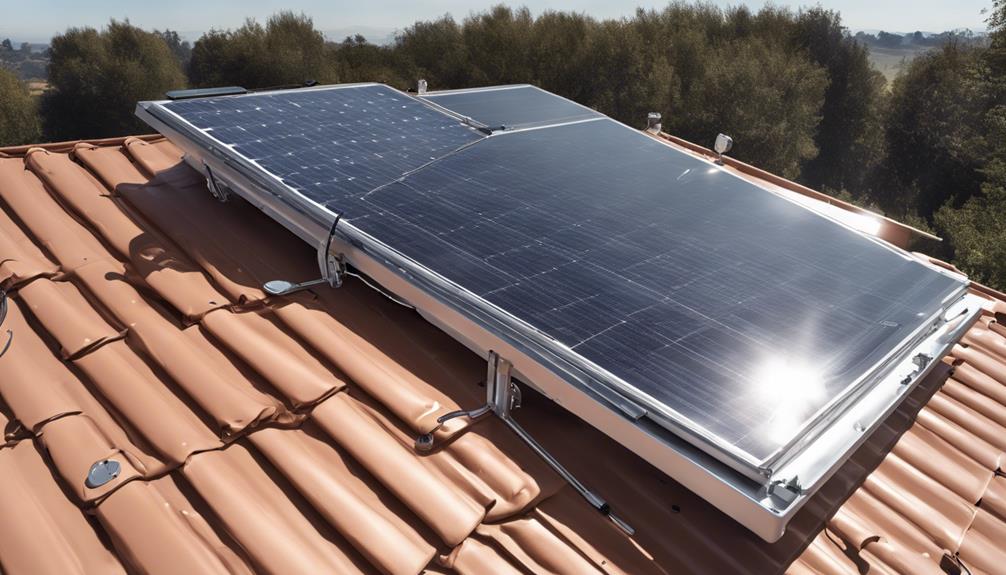
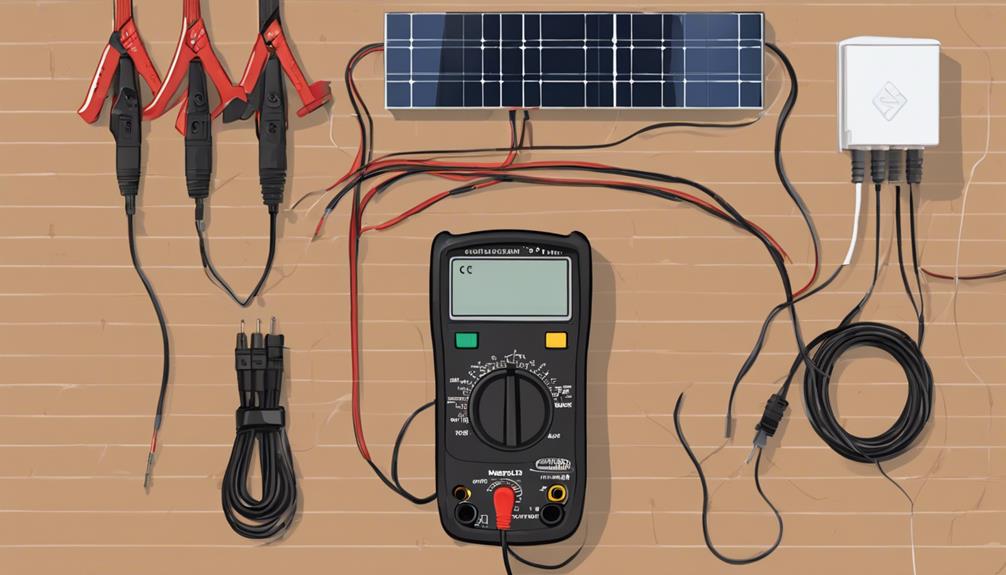
Installation complexity varies. Portable solar generator kits often require no wiring beyond charging and connecting devices, while roof-mounted arrays require secure mounts, cable routing, and possibly professional electrical connections. When a system includes a solar inverter kit, follow manufacturer guidelines for grounding and safe AC hookups. Regular maintenance improves longevity: keep panels clean, check battery terminals and charge controller settings, and store portable batteries in cool, dry places when not in use. To optimize performance, position panels for maximum sun exposure and use a solar charging system that supports MPPT (maximum power point tracking) if available—MPPT controllers increase harvest from your panels compared with basic charge controllers.
For those who want flexibility, consider a modular approach where a base solar panel battery combo can be expanded with additional panels or a larger battery bank. This allows you to start small and grow the system without replacing core components. Whether you purchase from a local solar shop or an online retailer, request detailed specs so you can match the system to realistic energy demands.
Choosing a complete solar kit & systems solution simplifies the move to renewable energy. From RVs and camping trips to home backup and off-grid living, the right solar panel battery combo provides reliable power with fewer headaches. With attention to sizing, battery chemistry, and installation best practices, you can enjoy clean energy that fits your lifestyle and budget.