Choosing the right rv solar battery is one of the most important decisions for anyone using solar power in a recreational vehicle. The battery is the energy reservoir that stores sunshine for night use, powers appliances, and supports off-grid living. This article explains how rv solar batteries work, compares common battery chemistries, and offers practical guidance on sizing, installation, and real-world uses so you can decide which solution best fits your travel style and energy needs. Owners transitioning from RV setups should consider home energy storage solutions to scale capacity and reliability.
Why an RV solar battery matters
An rv solar battery turns the intermittent output of your solar panels into reliable, usable power. During the day, panels charge the battery while appliances and devices draw energy. At night or during cloudy weather, the battery supplies stored power so refrigerators, lights, water pumps, heaters, and electronics continue to operate. For full-time RVers, boondockers, and weekend travelers alike, the battery determines how long you can stay off-grid and how many systems you can run simultaneously. In the broader context of home solar battery storage, rv systems share many of the same design principles: capacity, cycle life, depth of discharge, and efficient charging are all crucial to long-term performance.
Types of rv solar batteries and how they compare
There are three main battery chemistries commonly used in RV solar systems: lead acid flooded, absorbed glass mat or AGM, and lithium iron phosphate (LiFePO4). Flooded lead acid batteries are the oldest and least expensive option but require regular maintenance, careful charging, and ventilation. AGM batteries are sealed, maintenance free, and more tolerant of varied charging conditions, making them a popular mid-range choice. LiFePO4 batteries are more expensive up front but deliver higher usable capacity, longer cycle life, lighter weight, and built-in battery management systems. For many RV owners, lithium has become the preferred solution because it effectively increases usable energy capacity without increasing weight or footprint.
How to size and choose the best rv batteries for solar
Sizing an rv solar battery starts with calculating your daily energy use in amp hours or watt hours. Add up the consumption of all appliances you expect to run in a typical 24-hour period, then multiply by the number of days you want to go without charging. From there, consider depth of discharge and reserve requirements. For example, lead acid batteries are usually limited to 50 percent depth of discharge to preserve life, whereas LiFePO4 commonly allows 80 to 90 percent usable capacity. That means a 100 amp hour lithium battery can provide far more usable energy than a 100 amp hour lead acid. When choosing the best rv batteries for solar, factor in weight, space, installation constraints, and how much maintenance you are willing to perform. Also remember to match battery voltage to your RV system—most systems run on 12 volts, though high-capacity setups may use 24 or 48 volts with appropriate inverters and charge controllers.
Installation, charging, and safety considerations
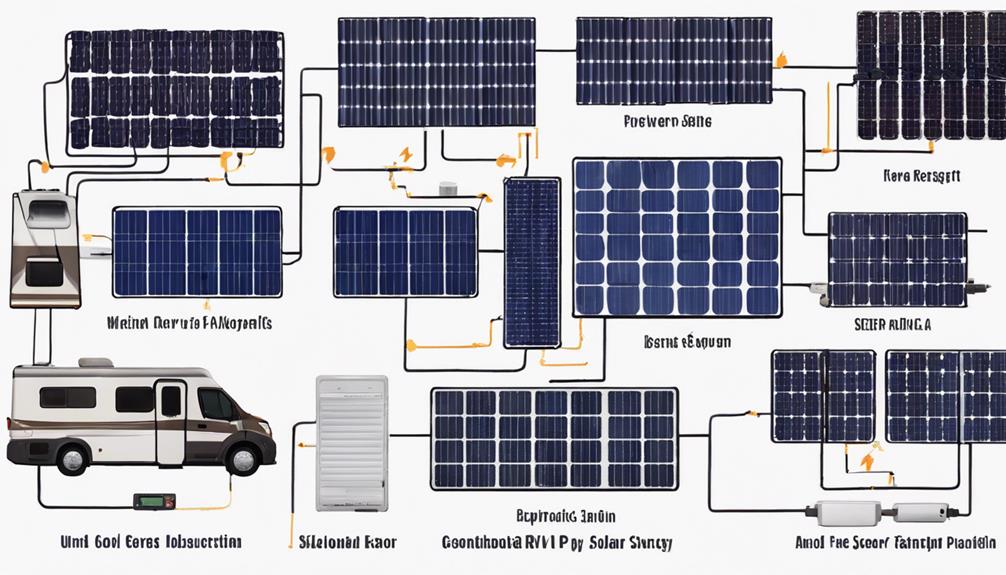
Proper installation and charging are vital for battery longevity. Use an MPPT charge controller to optimize solar charging, and configure your charging profile to match the battery chemistry. If you have multiple batteries, wire them in a consistent pattern and avoid mixing old and new batteries or different chemistries. Lithium batteries typically include a battery management system that protects against overcharge, over-discharge, and temperature extremes, but they still require correct fusing, ventilation for auxiliary components, and secure mounting to withstand travel vibrations. For lead acid batteries, periodic equalization charging and monitoring electrolyte levels for flooded types are important steps. Whether you are converting an existing RV or building a new solar system, follow manufacturer guidelines and consider professional installation if you are unfamiliar with DC wiring and battery safety protocols. For limited-space rigs, consider a compact power pack as an efficient, portable option for solar storage.
Practical use cases and real-world benefits
An rv solar battery enables a range of lifestyle applications beyond basic lighting and phone charging. For weekend campers, a modest lithium or AGM battery paired with a small solar array can keep a fridge running and provide several nights of quiet, generator-free camping. Full-time RV residents benefit from larger battery banks and higher-power inverters to run air conditioning, washer dryers, and other heavy loads intermittently. Boondockers who spend consecutive days off-grid will want a system sized to handle multiple days of cloudy weather; that often means combining increased battery capacity with optimized charging from roof-mounted panels or portable arrays. Additionally, batteries improve efficiency by allowing inverters to run at steady loads rather than relying on noisy generators. For those who also care about sustainability, using an rv solar battery reduces fossil fuel use and supports a cleaner travel experience.
Maintenance, lifecycle, and cost considerations
Maintaining an rv solar battery depends largely on the chemistry you choose. Flooded lead acid batteries require topping off with distilled water and periodic cleaning, while AGM and lithium options need minimal hands-on maintenance. Lifecycle and total cost of ownership are where lithium often shines despite higher initial cost because it can deliver thousands of cycles and retain most capacity for many years. Always include replacement and disposal costs in your planning, and consider warranties as part of value assessment. Monitoring tools and battery monitors can help you track state of charge and health so you avoid deep discharges and extend battery life.
Choosing the right rv solar battery involves balancing upfront cost, weight, usable capacity, and maintenance needs against your travel habits and energy demands. Whether you prioritize the longevity and light weight of LiFePO4 or the lower entry price of lead acid, sizing the system correctly and using proper charging equipment will ensure reliable power for your adventures. With the right battery bank, your RV can become a self-contained, energy-efficient home on wheels that supports extended off-grid travel and enhances the overall solar battery storage strategy for your life on the road.