The 24 volt lithium battery 200Ah is a popular choice for home solar battery storage projects where a balance of capacity, efficiency, and cost is important. Measuring about 4.8 kilowatt-hours of nominal energy, a 24V 200Ah battery bank built with lithium iron phosphate cells gives homeowners a compact, long-lived storage option for day-to-day backup, off-grid living, or hybrid solar systems. This article explains how that capacity translates into real-world use, how to size and install the system, and practical considerations when selecting a 24v 200ah lifepo4 battery for home solar. A 24 volt 200Ah lithium bank can serve as reliable residential solar backup for off-grid power needs.
Why choose a 24 volt lithium battery 200Ah for home solar
A 24 volt lithium battery 200Ah offers a distinct combination of voltage and capacity that fits many residential and small commercial solar needs. At 24 volts, the battery pairs easily with inverters and charge controllers designed for medium-voltage systems while keeping wiring and component costs lower than some higher-voltage configurations. The 200Ah capacity provides roughly 4.8 kWh of stored energy, and when using a LiFePO4 chemistry, you typically get a high usable depth of discharge—often 80 to 90 percent—without significantly shortening cycle life. This efficiency makes a 24V 200Ah LiFePO4 battery attractive for homeowners seeking a reliable, compact bank for lights, refrigeration, communication devices, and moderate HVAC support during outages.
Sizing and how much energy you actually get
Understanding usable energy is key to planning a home solar battery system. A nominal 24V 200Ah battery equals 24 x 200 = 4,800 watt-hours (4.8 kWh). Depending on the battery management system (BMS) settings and recommended depth of discharge, usable energy will be lower. For LiFePO4, designers commonly assume 80–90 percent usable capacity to prolong life, giving between 3.8 and 4.3 kWh of available energy per cycle. In practical terms, this can run a modern energy-efficient refrigerator and lighting for a day, support a small well pump, or keep essential electronics and medical devices operating during short outages. For larger homes or multi-day autonomy, multiple 24V 200Ah modules can be paralleled or a higher-voltage architecture selected.
Integration with solar inverters and charge equipment
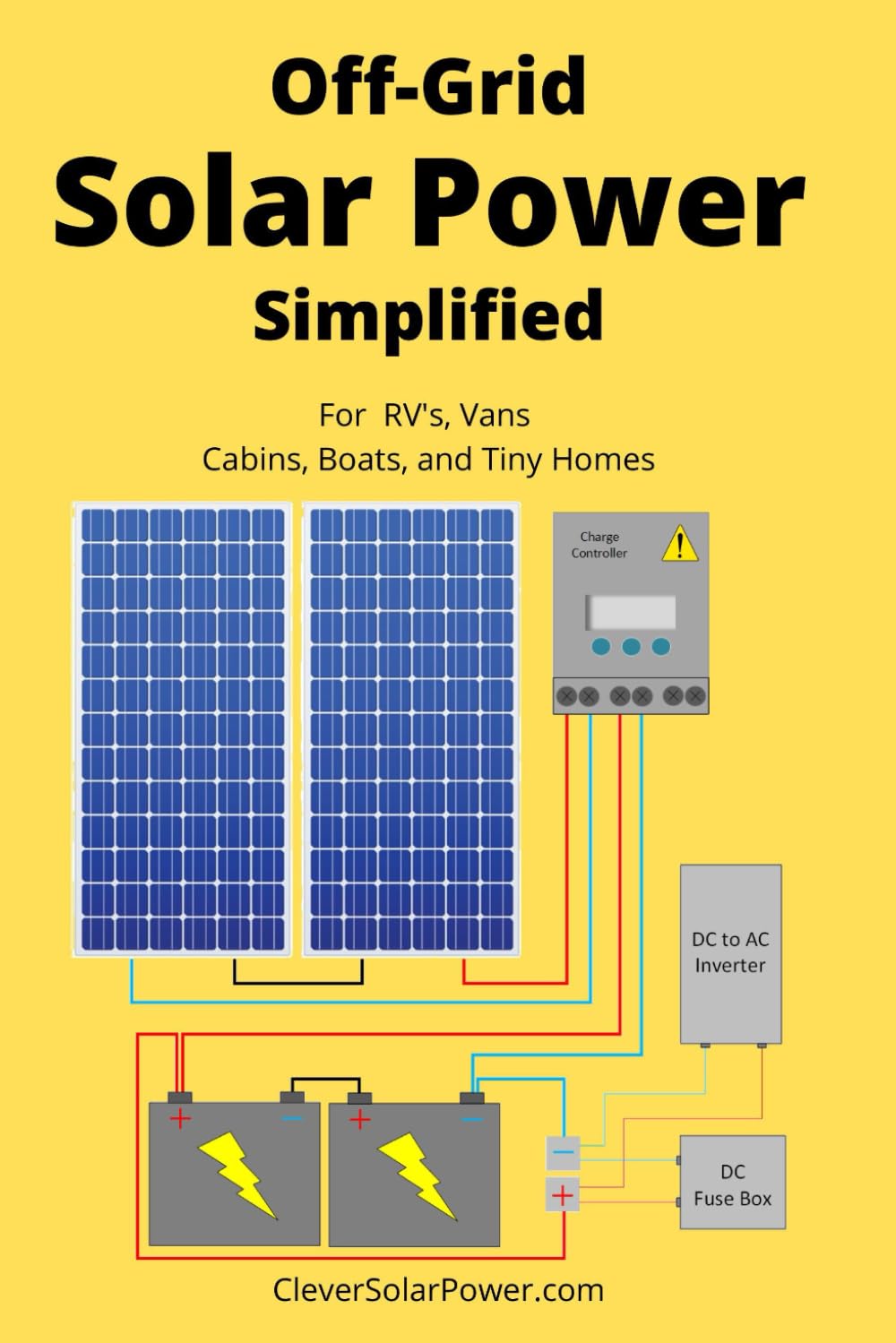
Integrating a 24 volt lithium battery 200Ah into a home solar array requires matching the battery to the inverter and charge controller. Choose an inverter that supports 24V battery banks and has appropriate continuous and surge ratings for your loads. MPPT solar charge controllers should be sized to deliver adequate charging current; many installers use charge rates between 0.2C and 0.5C for LiFePO4 batteries, which for a 200Ah pack translates to around 40A to 100A charging current, depending on the battery’s specifications. The battery’s BMS must be compatible with the inverter and charger to manage cell balancing and protect against overcharge, overdischarge, and temperature extremes. Properly configured, a 24v 200ah lifepo4 battery delivers efficient charging from solar arrays during daylight and smooth discharge to household circuits when needed.
Installation, safety and maintenance considerations
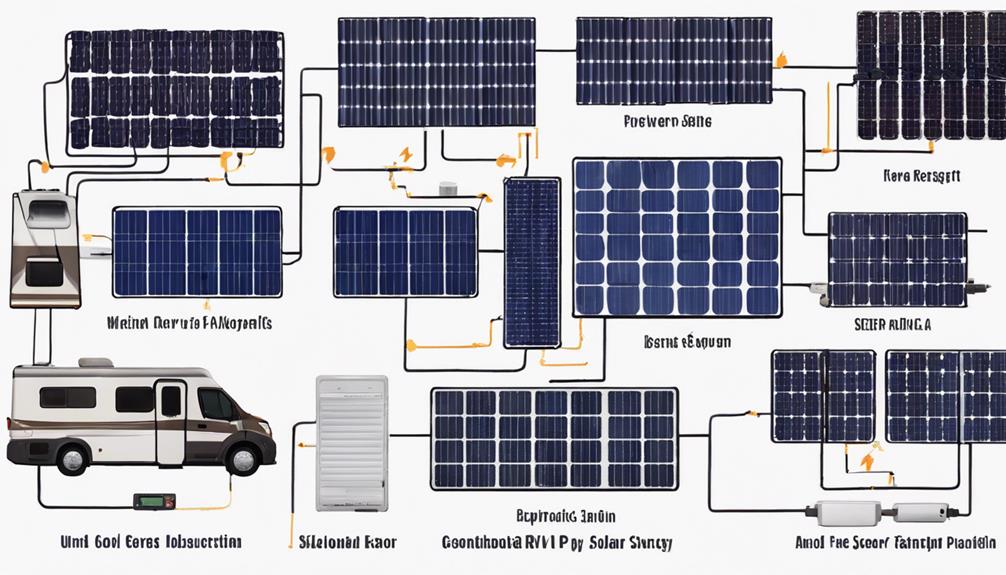
Installation safety is essential when placing a 24V 200Ah bank in a home environment. LiFePO4 batteries have lower thermal runaway risk than other lithium chemistries, but they still require a secure, well-ventilated location away from direct sunlight and moisture. Include a DC disconnect, appropriate fusing, and battery monitoring with a shunt or integrated gauge for real-time state-of-charge readings. Wiring should be sized to handle peak currents with minimal voltage drop, and connections should be checked periodically for tightness and corrosion. Maintenance is minimal compared with lead-acid alternatives: keep firmware for BMS components up to date, monitor temperatures during extreme seasons, and ensure the charging profile matches manufacturer recommendations to preserve cycle life. A 24 volt lithium 200Ah pack offers a reliable RV power solution when replacing traditional generators.
Practical use cases for a 24V 200Ah LiFePO4 battery
A 24v 200ah lifepo4 battery fits a range of residential and recreational scenarios. In a small household or cabin, it can provide daily backup for lighting, refrigeration, internet equipment, and some kitchen appliances. In a hybrid grid-tied system, the battery supplies critical loads during blackouts while capturing solar generation during the day to reduce grid dependence. For RVs and boats, the battery’s energy density and cycle life reduce weight and maintenance compared with lead-acid banks. Installers also use modular 24V 200Ah units to scale capacity; several batteries can be paralleled to increase amp-hour capacity while maintaining the same system voltage, allowing stepwise upgrades as energy needs grow.
Cost, lifespan and long-term value
Initial cost for a 24 volt lithium battery 200Ah is higher than equivalent lead-acid storage, but lifecycle and total cost of ownership often favor LiFePO4. Typical LiFePO4 cycle life ranges from 3,000 to 5,000 cycles at moderate depths of discharge, meaning many years of daily use. When amortized over the expected lifetime, the cost per kWh delivered can be substantially lower than cheaper chemistries that require frequent replacement. Warranty terms vary by manufacturer, so evaluate cycle guarantees and end-of-warranty capacity retention. Consideration of installation costs, inverter compatibility, and potential future expansion should inform the choice between a single 24V 200Ah battery and alternative voltage architectures like 48V systems.
Choosing a 24 volt lithium battery 200Ah for home solar battery storage offers a practical, efficient, and durable solution for small to medium energy needs. When matched with compatible inverters and MPPT controllers, and installed with proper safety measures, a 24V 200Ah LiFePO4 battery provides reliable backup power, flexible scaling options, and long-term cost advantages that make it an excellent component of a modern home solar system.