Key takeaways
- Crystalline silicon (c‑Si) panels dominate for rooftop and most utility projects because they deliver the highest commercial module efficiencies (commonly ~19–22% for mainstream mono‑Si today).
- Amorphous/thin‑film (a‑Si and micromorph) is lower efficiency (single‑junction a‑Si ~6–9%; micromorph tandems ~10–12% stabilized) but can win in niches: flexible/BIPV, weight‑sensitive mounts, very hot or low‑light sites, and some building‑integrated designs.
- Decisions should weigh area constraints, temperature performance, BOS costs and warranties — not just $/W module price.
Quick summary
Crystalline silicon panels are the safe default for most residential, commercial and utility installations because of higher efficiency, broad supply and predictable warranties. Thin‑film (including amorphous silicon) remains useful for special cases — lightweight, flexible, façade integration, or locations where temperature and diffuse light give thin‑film a relative yield advantage.
What these technologies are
Crystalline silicon (c‑Si): wafer‑based cells made from monocrystalline (mono‑Si) or multicrystalline/polycrystalline (multi‑Si) silicon. Modern commercial modules include variants such as PERC, TOPCon and heterojunction (HJT); many modules now exceed ~19–22% module efficiency (as of 2024) and some premium cells are higher (NREL; Fraunhofer ISE).
Thin‑film: a family of technologies deposited on glass or flexible substrates. Key types include amorphous silicon (a‑Si), micromorph (a‑Si/µc‑Si tandem), CdTe (cadmium telluride) and CIGS (copper indium gallium selenide). Single‑junction a‑Si modules are lower efficiency; micromorph tandems close some of the gap in stabilized performance.
How they perform — efficiency, temperature, and real‑world yield
Module efficiency (STC) is a quick way to compare technologies but not the whole story: real‑world yield depends on temperature, spectrum, low‑light response and installation. Typical modern numbers (approximate, industry ranges):
| Metric | Amorphous / Micromorph (thin‑film) | Crystalline silicon (mono / multi) |
|---|---|---|
| Typical module efficiency (STC) | single‑junction a‑Si ~6–9%; micromorph ~10–12% (stabilized) | mainstream commercial ~19–22% (2024) |
| Temperature coefficient (%/°C) | ≈ −0.20%/°C (less negative) | ≈ −0.30 to −0.50%/°C (varies by design) |
| Typical use case | flexible BIPV, weight‑sensitive, hot/diffuse climates | roofs, carports, ground‑mount and most utility projects |
Because thin‑film modules lose less power as temperature rises, they can deliver competitive energy per unit area in very hot climates or in systems that operate at elevated temperatures. Conversely, when roof area is limited, higher‑efficiency c‑Si modules usually produce more energy per roof footprint and can lower LCOE despite higher module price (Fraunhofer ISE; NREL).
Cost and economics — beyond $/W
Module $/W is only one input to system cost. Lower efficiency thin‑film requires more area, which increases racking, wiring and sometimes land/roof costs. Balance‑of‑system (BOS) costs, installation labor, and permitting often dominate total installed cost. In many markets, high‑efficiency c‑Si modules reduce BOS and deliver lower LCOE even if their $/W is higher (industry analyses, 2023–2025 trends).
Thin‑film can be cost‑effective when:
- the project prioritizes low weight, flexibility or direct integration into building materials (BIPV),
- available area is abundant and module cost is very low (utility cases like utility CdTe installations), or
- site temperatures and diffuse light favor thin‑film spectral response.
Durability, warranties, degradation and maintenance
Degradation varies by technology, manufacturer and environment. Modern crystalline modules often report typical degradation of roughly 0.4–0.7%/yr in independent studies, with many vendors offering 25‑year performance warranties. Thin‑film degradation is technology‑specific: a‑Si is subject to the Staebler‑Wronski light‑induced effect (an early drop then stabilization), and stabilized efficiencies are the meaningful spec to request. Always compare manufacturer datasheets and independent test reports (NREL PV lifetime studies).
Environmental & recycling considerations
Some thin‑film types (notably CdTe) contain cadmium; large manufacturers such as First Solar run take‑back and recycling programs and lifecycle analyses showing competitive environmental performance when recycling is used. Amorphous silicon does not introduce cadmium issues but uses different material and energy inputs. For any technology, confirm the manufacturer’s end‑of‑life recycling plan and view lifecycle studies for a full picture (First Solar; Fraunhofer; NREL).
Typical use cases — quick recommendations
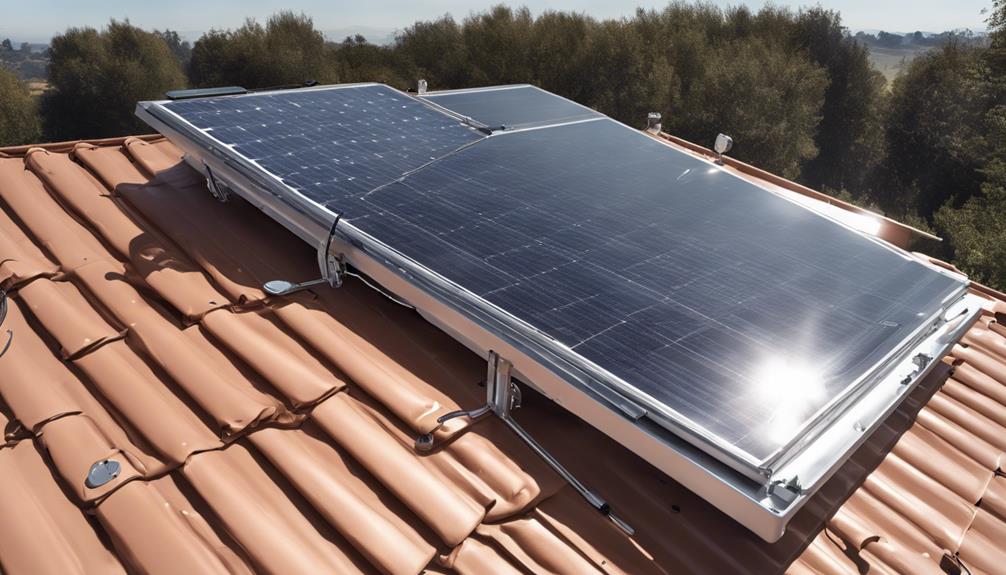
- Residential rooftop (limited area): crystalline mono‑Si — higher efficiency and well‑documented warranties.
- Commercial rooftop / carport (moderate to large area): c‑Si usually preferred; thin‑film may suit if roof weight limits or integrated façades are priorities.
- Building‑integrated PV (BIPV) / flexible surfaces: a‑Si or CIGS thin‑film — flexibility and appearance can justify lower efficiency.
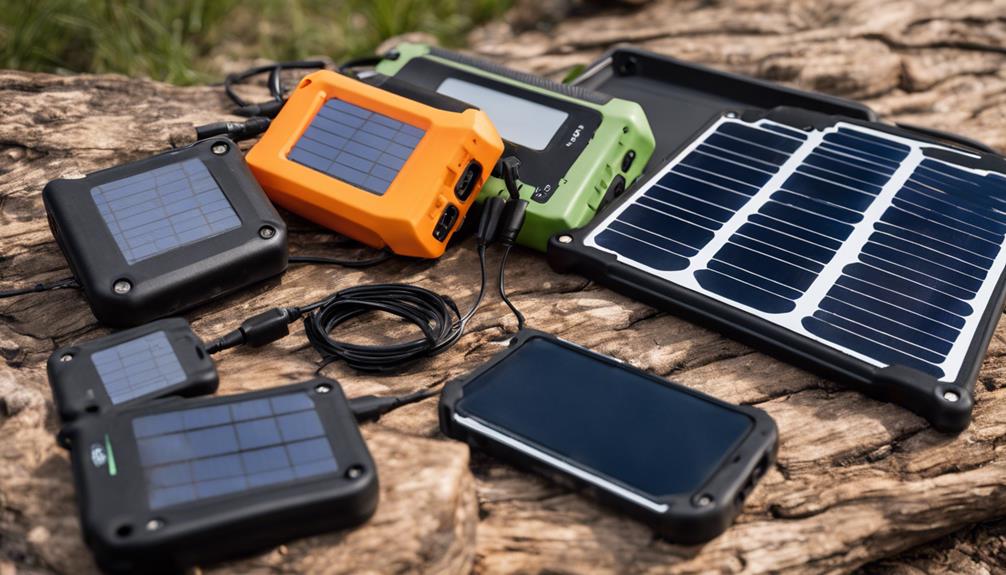
- Vehicle or portable PV: flexible thin‑film (a‑Si/CIGS) for low weight and conformality.
- Utility scale: high‑efficiency c‑Si dominates by volume, but CdTe thin‑film has strong niche performance where its economics and thermal advantages fit.
What to ask suppliers
- Module STC power and module efficiency (date the spec, e.g., “as of 2024”).
- Stabilized efficiency (for a‑Si / micromorph) and any measured LID or Staebler‑Wronski effects.
- Temperature coefficient (%/°C) and modeled yearly energy yield for your location.
- Degradation rates, performance warranty (power retention at 10/25 years), and product warranty.
- Independent test reports (IEC, UL, or third‑party performance testing) and recycling/end‑of‑life program details.
Sources & further reading
- Fraunhofer ISE, Photovoltaics Report (market share and module data).
- NREL — module efficiency and temperature performance summaries.
- First Solar — CdTe technology and recycling program (vendor material).
- Peer‑review literature on micromorph and a‑Si stabilized performance (Progress in Photovoltaics and reviews).
- NREL PV lifetime and degradation studies.
Final note: these are general guidelines. Have your installer or a PV engineer model annual energy yield for your site and review manufacturer datasheets before specifying technology.