Solar can reduce the amount of electricity you buy from the utility and help cut fossil-fuel emissions. But whether rooftop solar is a good investment for your home depends on your roof, your utility’s rules, how you pay for it, and the equipment and warranties you choose. Below are practical, plain-language answers to the common questions homeowners ask before requesting quotes or signing a contract.
How a home solar PV system works
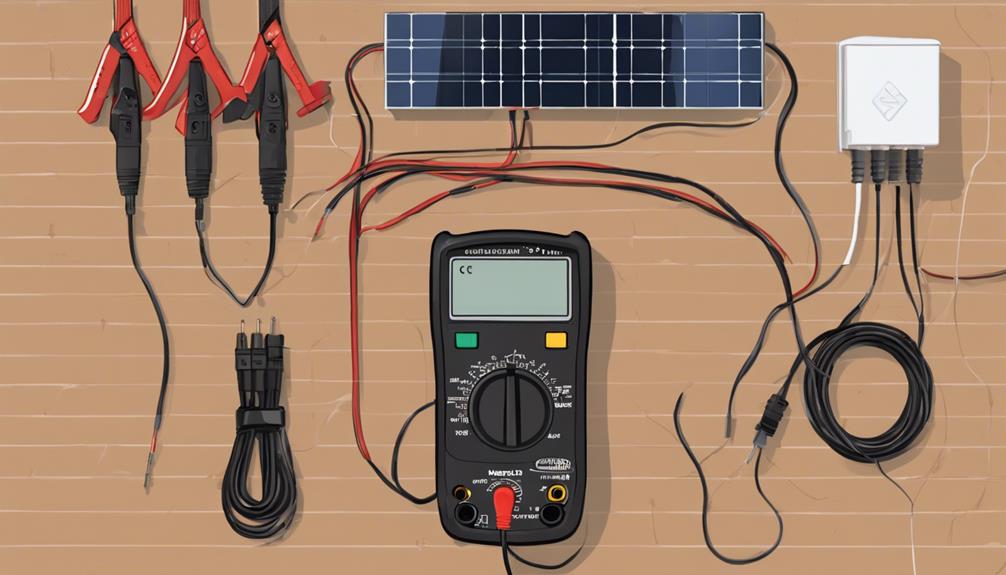
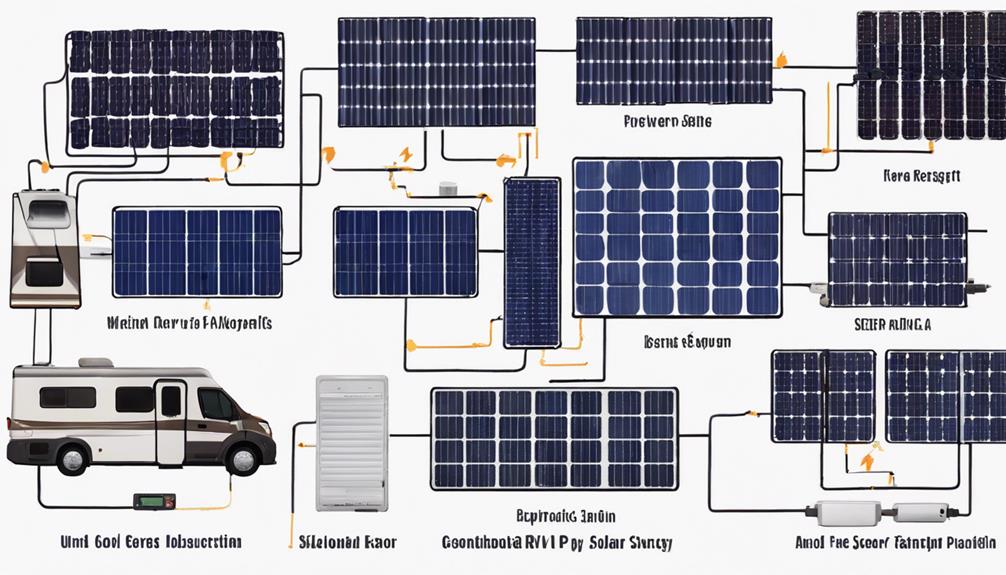
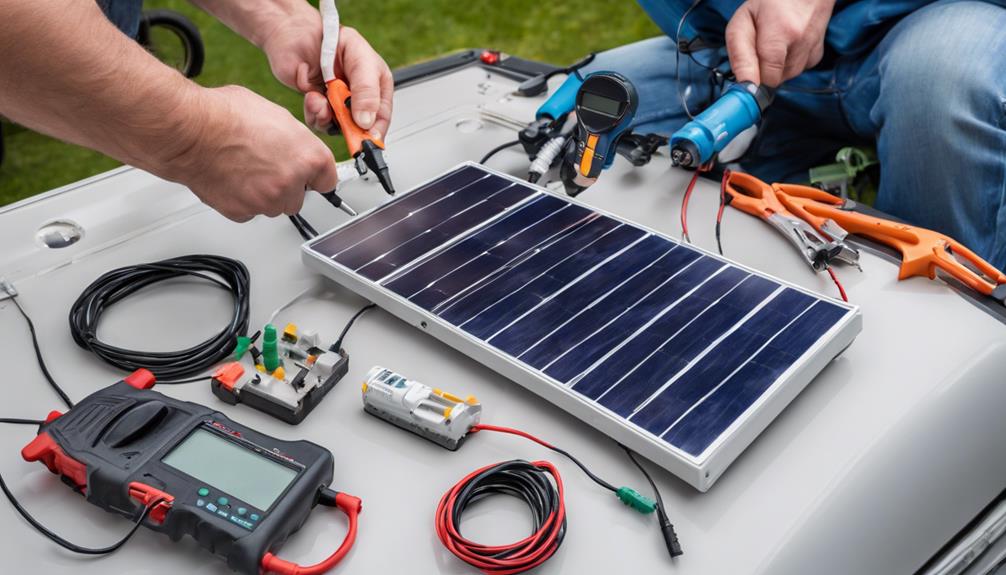
PV (photovoltaic) systems use semiconductor cells in solar panels (also called modules) to turn sunlight into direct-current (DC) electricity. An inverter converts DC into alternating current (AC) that your appliances use and that can be sent to the grid. A complete PV system (or PV array) includes the panels, racking, wiring, an inverter (or microinverters/power optimizers), monitoring equipment, and optional batteries.
Key terms: kW = kilowatt (system size); kWh = kilowatt-hour (energy use/production); inverter = device that converts DC to AC; net metering/net billing/export compensation = ways your utility credits exported electricity; PPA = power-purchase agreement; REC = renewable energy certificate; behind-the-meter = generation on the customer’s side of the meter.
Is your home a good candidate?
Suitability depends on several site-specific factors:
- Roof age, condition, pitch, orientation, size, and structural capacity. If your roof needs replacing soon, do that first.
- Shade from trees, chimneys, or nearby buildings—shading reduces output and should be modeled in production estimates.
- Local permitting, interconnection rules, and utility export policies.
- Your electricity consumption pattern: daytime solar offsets daytime use best; batteries can shift energy to evenings at additional cost.
What happens to extra electricity?
During sunny hours you may use some solar output and export the rest to the grid. How you are compensated for exported energy varies by state and utility: some utilities use full net metering (credit at retail rate), others use net billing or other export compensation methods. Ask your utility for its current rules before relying on any projected savings.
Do you need a battery?
Batteries (solar-plus-storage) let you store daytime solar for later use, reduce grid purchases during peak hours, and—if designed and permitted—provide backup power. They add cost, require maintenance and permitting, and are not 100% efficient (some energy is lost when charging/discharging). Batteries are optional; owners should match battery size and configuration to their goals (cost savings vs. backup).
How to compare quotes
Get at least three written bids. A useful quote should include:
- System size in kW and an estimated annual production in kWh with stated assumptions about shading, orientation, weather, and degradation.
- All equipment make and model numbers (panels, inverter, batteries), installed price, and a breakdown of fees (permitting, interconnection, taxes).
- Warranties separated by type: product/equipment, performance (output over time), inverter, battery, and workmanship/installation.
- Financing details (cash price, loan APR and term, lease or PPA terms, any escalators, PACE lien implications).
- Monitoring, maintenance responsibilities, roof-work terms, and what happens if you sell the home.
Ownership and financing options
Compare cash purchase (you own the system), solar loans (you own; lender terms matter), leases (provider owns system), and PPAs (provider sells you the electricity produced). PACE financing may attach repayments to the property tax bill and can affect refinancing or sale. Ownership generally allows you to claim incentives where eligible; leases/PPAs may not.
Maintenance, failures, and warranties
Panels have no moving parts but can be affected by dust, snow, bird droppings, or debris. Decide who will monitor performance and perform cleaning or inspections. Inverters and batteries typically have shorter service lives than panels and may need replacement or repair. Keep warranty documents handy and understand the claim process and any workmanship coverage from the installer.
Incentives—date-sensitive
As of August 10, 2026, IRS guidance indicated the federal Residential Clean Energy Credit applied to qualifying systems installed from 2022 through December 31, 2025 and was not available for property placed in service after December 31, 2025. Tax, state, local, and utility incentives change frequently—verify eligibility and timing with the IRS, your state agency, and your utility before relying on incentives in a purchase decision.
Red flags and consumer-protection tips
- Beware claims like “free panels,” “the government will pay for it,” or “you must sign today.”
- Verify installer licensing, insurance, and local permitting experience. Ask for references and check reviews independently.
- Avoid giving large upfront cash deposits to unvetted companies and get all promises in writing, including production estimates and warranties.
- Read financing contracts carefully for escalators, transfer terms, and liens that affect resale or refinancing.
Pre-purchase checklist
- Gather 12 months of utility bills and note on-peak vs. off-peak use.
- Check roof age and any planned repairs.
- Measure or estimate unshaded roof area and orientation.
- Request 3+ detailed written quotes and compare assumptions and warranties.
- Confirm utility interconnection rules and export compensation.
- Get independent reviews for complex financing or tax questions.
Solar can be a smart choice for many homeowners, but it requires a property-specific assessment and careful contract review. For tax, legal, or financial advice, consult a qualified professional or the relevant authority before signing agreements.