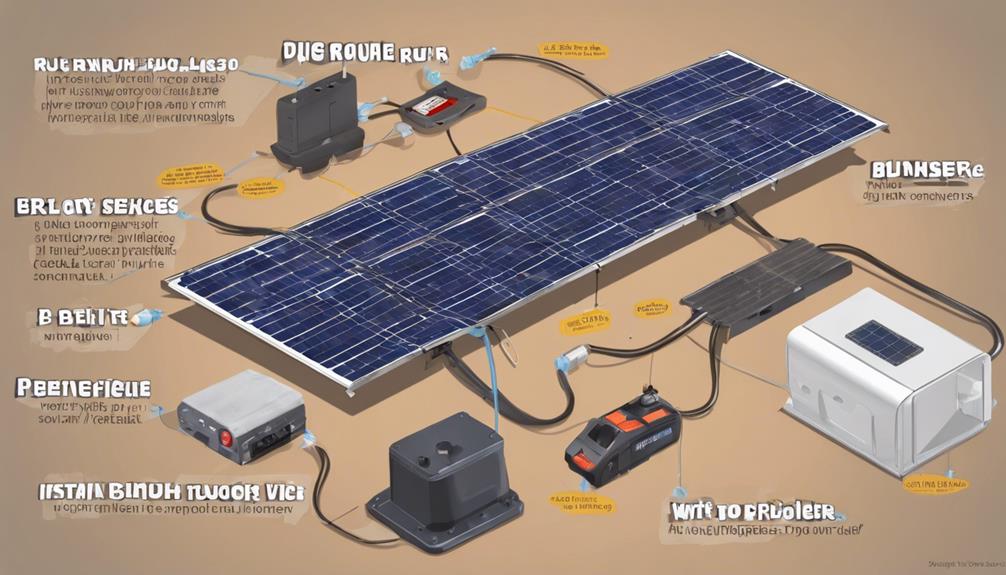
Deciding whether to go solar is a major choice for Texas homeowners. With abundant sunshine, rising electricity prices, and increasing interest in energy independence, many Texans ask: is solar worth it in Texas? This article examines the financial, technical, and practical aspects of solar system installation and costs so you can weigh the benefits against the realities of installing solar panels in Texas.
Why Texas is a strong candidate for residential solar
Texas ranks high in solar potential because of long sunny days and a climate that supports strong solar generation for much of the year. For homeowners who pay high utility rates or experience frequent peak pricing, solar can offset a significant portion of monthly electricity bills. In regions with strong sunlight, a well-designed rooftop array produces more kilowatt-hours per installed watt than the same system in cloudier climates, improving both savings and return on investment.
Understanding upfront costs and incentives
The headline question of are solar panels worth it in Texas often comes down to cost. The total installed price varies with system size, equipment quality, roof complexity, and installer labor. For a typical residential system, costs are expressed per watt and total system prices range across a broad band. Fortunately, federal incentives and occasional state or local programs can reduce net cost. As of 2024, the federal solar tax credit remains a substantial incentive that covers a significant portion of the system price for qualifying homeowners. In addition to federal support, some utilities and municipalities offer rebates, property tax exemptions, or solar-specific incentives that change frequently, so it’s important to check current programs before signing a contract.
Calculating savings and payback period
To determine whether installing solar panels in Texas is a good financial move, start by estimating your current annual electricity spend and projected bill increases. A solar system’s value depends on how much of your consumption it offsets and how your utility compensates for excess production. In areas with favorable net metering or buyback policies, excess generation can significantly shorten the payback period. Typical payback ranges in Texas vary widely—many homeowners see payback between six and twelve years depending on system cost, energy use, local rates, and incentives. After the payback period, solar electricity is essentially free aside from minimal maintenance and inverter replacement costs, so decades of low-cost electricity can follow the initial investment.
Practical considerations when installing solar panels in Texas
There are several practical issues to address before installing solar panels in Texas. Roof condition and orientation are primary factors: south-facing, unshaded roofs deliver the best performance, but east- or west-facing arrays still produce substantial energy. Texas summers are hot, and while panels become slightly less efficient at higher temperatures, elevated irradiance usually compensates. Permitting, HOA approvals, and utility interconnection requirements vary by city and provider; some utilities have specific interconnection fees or different compensation schemes for exported electricity. Additionally, if you are considering battery backup for storm-related outages, adding batteries increases upfront cost but provides resilience—an important practical benefit for many Texans.
Use cases: who benefits most from solar in Texas
Different homeowners will see different levels of benefit. Families with high daytime energy use, such as households with electric water heaters, pools, or electric vehicle charging, often capture more of the solar value because they consume more of the energy as it’s produced. Rural homes with high grid connection costs or frequent outages may value off-grid or hybrid systems. For those focused mainly on long-term savings and environmental impact, even systems that take longer to pay back can make sense as part of a diversified energy strategy. For budget-conscious homeowners, financing options such as solar loans and leases can lower upfront barriers, though cash purchases usually yield the best long-term return. When evaluating whether solar is right for you, consider both lifetime savings and the nonfinancial benefits like reduced carbon footprint and greater energy independence.
Questions to ask installers and next steps
Before signing a contract, ask prospective installers for a detailed proposal that includes expected annual production, system components, warranty terms, and a clear total cost breakdown. Request multiple bids and check installers’ credentials, reviews, and references. Make sure the proposal reflects local permitting and utility interconnection costs, and confirm whether the installer will handle paperwork for incentives and tax credits. A transparent estimate that shows modeled savings and a conservative production estimate will help you judge whether “is solar worth it in Texas” applies to your situation.
Installing solar panels in Texas can be a financially and practically sound decision for many homeowners, but results vary by location, utility policies, and personal energy usage. By evaluating system costs, incentives, production estimates, and practical needs like backup power and roof suitability, you can reach a clear conclusion about the value of solar for your home. If your electricity costs are high, your roof is suitable, and you take advantage of available incentives, solar frequently pays back in a reasonable timeframe and delivers long-term savings and resilience.