Why is energy conservation important? That question sits at the center of modern home improvement and energy efficiency conversations. Conserving energy in our homes and communities reduces costs, slows climate change, and improves comfort and resilience. This article explains the definition of conserving energy, explores the reasons why energy conservation is needed, and outlines practical, homeowner-friendly strategies to cut consumption without sacrificing convenience.
Understanding the definition of conserving energy
At its simplest, the definition of conserving energy is using less energy to perform the same tasks. For a homeowner, that means making choices and upgrades that lower the amount of electricity, gas, or other fuels required for lighting, heating, cooling, and appliances. Energy conservation includes behavioral changes—like turning off lights when not in use—and physical improvements such as adding insulation, upgrading windows, or installing energy-efficient appliances. Together, these actions improve overall energy efficiency and reduce waste.
Why energy conservation is needed for the environment
One of the most compelling answers to why is energy conservation important relates to environmental protection. Burning fossil fuels for electricity and heating releases greenhouse gases that drive climate change. By reducing demand through conservation, households lower their carbon footprint and help limit harmful emissions. This reduction eases pressure on ecosystems and can slow the pace of extreme weather events, sea level rise, and biodiversity loss. In addition, using less energy decreases pollution from power plants, improving local air quality and public health.
Why conserving electricity is important for household finances
Another clear reason why is energy conservation important is the financial benefit for homeowners. Electricity, heating, and cooling represent a significant portion of household expenses. Simple steps to use less energy or improve efficiency translate directly into lower utility bills. For example, swapping incandescent bulbs for LEDs, sealing gaps around windows and doors, and upgrading to a high-efficiency HVAC system can produce measurable monthly savings. Over time, those savings often offset the initial cost of upgrades, making energy conservation a smart investment in both comfort and long-term financial resilience.
Why should we save energy: health, resilience, and community benefits
Beyond personal cost savings and environmental impact, there are broader reasons why should we save energy. Homes that use energy more efficiently are typically more comfortable and healthier. Proper insulation and ventilation reduce dampness and mold, and better heating systems maintain stable indoor temperatures. Energy conservation also contributes to community resilience. Lower overall demand reduces strain on the electrical grid during peak times, decreasing the likelihood of blackouts. In regions prone to natural disasters, energy-efficient homes may better retain heat or coolth when services are disrupted, protecting vulnerable household members.
Practical home improvement strategies for energy efficiency
For homeowners asking why is important to save energy, the practical answer lies in actionable home improvements. Start with an energy audit to identify the biggest opportunities. Sealing air leaks around doors, windows, and ductwork prevents conditioned air from escaping and reduces heating and cooling needs. Adding or improving insulation in attics and crawlspaces strengthens the building envelope and lowers energy loss. Replacing old appliances with ENERGY STAR rated models and switching to LED lighting offer quick wins for reducing electricity use.
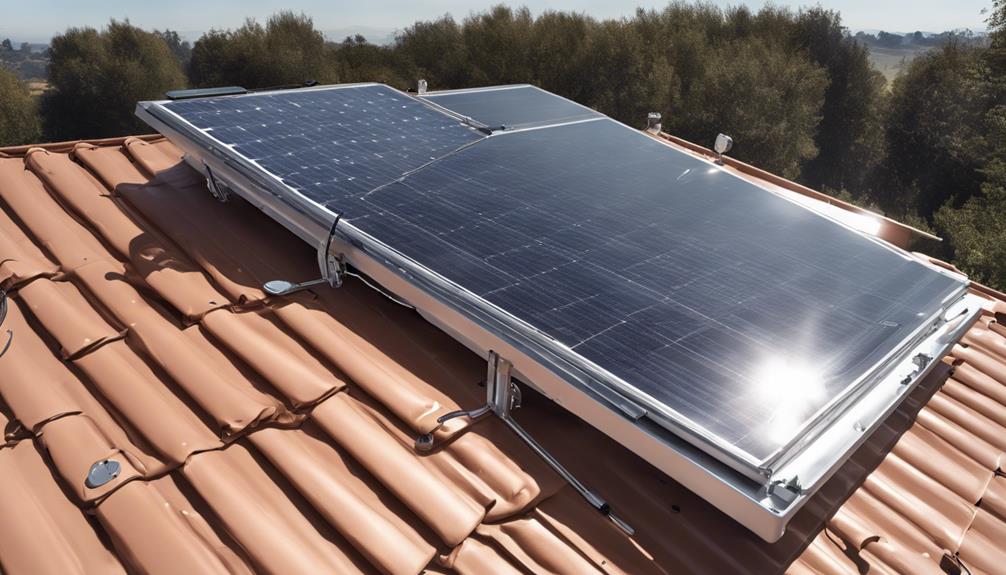
Upgrading heating and cooling systems is another critical step. Installing a programmable or smart thermostat helps manage temperatures efficiently, cutting energy use when the home is empty. For homes with older furnaces or heat pumps, choosing high-efficiency models can drastically reduce fuel consumption. On the renewable side, rooftop solar or community solar subscriptions can further lessen reliance on grid electricity and enhance energy independence for homeowners.
Behavior changes also matter. Simple habits like washing clothes in cold water, running full dishwasher loads, and setting thermostats a few degrees lower in winter and higher in summer reduce daily energy demand. Educating household members about these habits ensures ongoing savings and reinforces the importance of conservation as a shared responsibility.
Why energy efficiency is important for long-term planning
Finally, answering why is energy conservation important requires a look at the long-term perspective. Energy efficiency supports sustainable growth by decoupling economic activity from rising energy consumption. For communities planning new construction or retrofits, prioritizing efficiency reduces infrastructure costs—fewer new power plants and smaller grid upgrades are needed when overall demand is lower. For homeowners, energy-efficient upgrades increase property value and marketability, making efficient homes more attractive to buyers who value lower operating costs and modern systems.
Energy conservation also plays a role in equity. Lower energy bills ease financial burdens for low-income households, and community-wide efficiency programs can provide access to upgrades that individual homeowners might not afford alone. This combination of environmental, economic, and social benefits explains why do we need to save energy at both personal and societal levels.
In conclusion, energy conservation matters because it delivers immediate household benefits—lower bills, greater comfort, and improved home performance—while also addressing urgent global challenges such as climate change and pollution. Whether your goal is saving money, reducing environmental impact, or increasing the resilience of your home, small changes and targeted home improvement projects can make a substantial difference. Embracing energy efficiency is a practical, cost-effective way to protect your home, your wallet, and the planet for future generations.