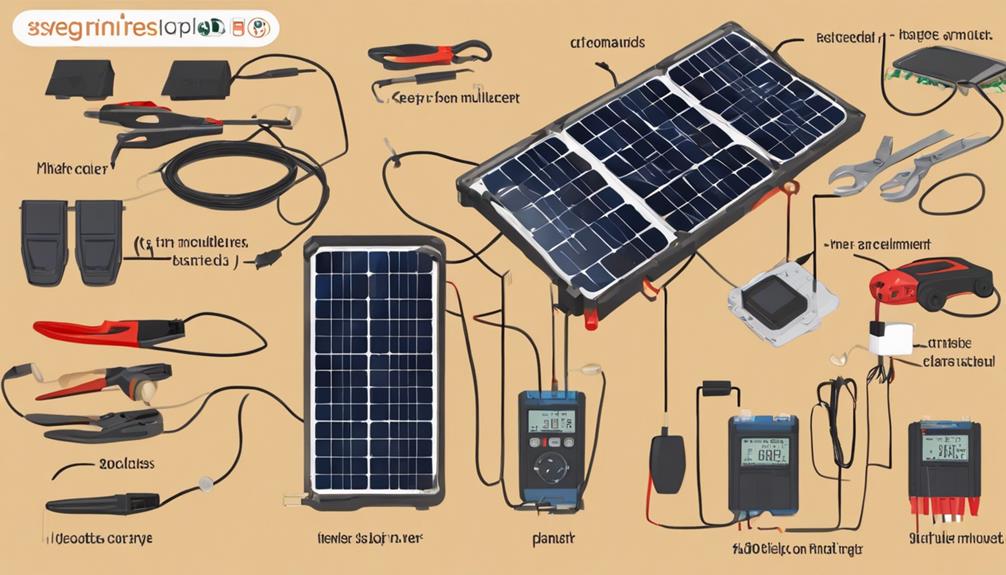
Understanding how your home uses electricity is one of the simplest ways to cut costs and improve comfort. A household meter gives you the data you need to see where power is going, when consumption peaks, and which appliances are driving your bills. Whether you have a traditional dial meter, a modern smart device, or a submeter added for a specific circuit, learning to read and use the meter can unlock practical energy savings and guide home improvement projects.
What a household meter measures and why it matters
A household meter measures the amount of electrical energy consumed by a property over time. Utilities use this reading to calculate your bill, but the information is also useful for homeowners who want to manage consumption. An energy meter records kilowatt-hours (kWh), and smart versions provide near real-time data, historical trends, and sometimes voltage and power factor readings. With this information, homeowners can identify high-usage periods, detect inefficient appliances, and plan upgrades that deliver the best return on investment.
Types of household meters and how they differ
There are several common types of household meters, each suited to different needs. Traditional electromechanical meters use a spinning disk to tally usage and are read manually by the utility. Digital electronic meters offer more precise readings and sometimes a display you can read at the meter. Smart meters connect to the internet and share usage data automatically with both the utility and, at your option, consumer apps. Submeters can be installed to monitor individual circuits or large appliances, providing appliance-level visibility without replacing the main meter.
How to read and monitor your energy meter
Reading a household meter varies with the model. For electromechanical and digital display meters, take a snapshot of the numbers shown on the face to calculate daily or monthly consumption. Smart meters often provide a web portal or mobile app showing hourly or even minute-by-minute data. For homeowners managing time-of-use rates or looking to shift consumption, these granular insights are invaluable. To measure a specific appliance, a plug-in energy monitor or a dedicated submeter offers a simple method: record the kWh while the appliance operates and multiply by your utility’s rate to estimate cost.
Practical use cases for homeowners
Household meters support many home improvement and efficiency projects. One common use is identifying phantom loads: devices that draw power even when switched off, such as chargers, entertainment systems, and standby electronics. By monitoring the meter while turning appliances on and off, you can quantify those losses and prioritize fixes. Another use is validating improvements. After installing LED lighting, a heat pump, or improved insulation, comparing meter readings before and after the upgrade shows the true impact on consumption. For homes with solar panels, combining generation and household meter data helps size battery storage and optimize self-consumption.
Using meter data to plan energy efficiency upgrades
Data from your energy meter can guide which home improvement projects make the most sense. If heating and cooling account for most of your usage, investing in a high-efficiency HVAC system, better insulation, or smart thermostats will likely yield the greatest savings. If the meter shows steady daytime loads, older refrigerators, freezers, or pool pumps may be the culprits. Examining hourly patterns also helps when considering time-of-use rate plans; shifting laundry and EV charging to off-peak hours can lower bills without additional investments. For multi-family properties or rental units, installing submeters gives precise tenant-level accounting and can prevent disputes over shared energy costs.
Safety, installation, and when to call a professional
Working with household meters and electrical panels carries risks, so safety is paramount. Replacing a main meter usually requires authorization from the utility and must be handled by licensed technicians. Installing submeters or making changes to the electrical panel should be done by a qualified electrician who understands local codes and load calculations. If you plan to integrate an energy meter with home automation or solar and battery systems, coordinate with professionals to ensure compatibility and proper metering for net metering or feed-in tariffs. Simple steps you can take yourself include using plug-in energy monitors for single appliances and monitoring smart meter apps for insights without touching the electrical system.
Maximizing value from your household meter
To get the most from a household meter, combine accurate measurement with action. Schedule a baseline monitoring period to capture typical usage, then implement targeted changes such as sealing air leaks, upgrading appliances, or changing behavior around peak hours. Use the meter to verify savings and refine your approach. For homeowners focused on long-term improvements, meter data can support decisions about home retrofits, solar and battery investments, and even whether a multi-unit conversion makes financial sense. Over time, the transparency provided by an energy meter leads to smarter choices and measurable reductions in energy costs.
Household meters are more than billing devices; they are tools for homeowners to take control of energy consumption, plan effective home improvements, and verify results. Whether you rely on a simple digital readout or a connected smart meter, learning to interpret the data and acting on it will improve comfort, reduce bills, and support more sustainable living. When in doubt about installation or advanced metering setups, consult a licensed professional to ensure safe and compliant work that delivers reliable insights for your energy efficiency projects.