Home renovation projects are an opportunity to improve comfort, increase property value, and reduce long-term energy costs. When approached with energy efficiency in mind, renovating your house can transform an outdated space into a sustainable, modern home that saves money on utilities while improving indoor comfort. This article explores practical strategies for energy-efficient home renovation, real-world use cases, financing considerations, and long-term benefits to help homeowners plan smarter, greener updates.
Planning an energy-focused home renovation
Successful property renovations start with a clear plan that balances aesthetic goals with measurable efficiency improvements. Begin with an energy audit to identify the biggest sources of heat loss, air leakage, or inefficient systems. The audit will guide priorities—whether it’s upgrading insulation, replacing windows, or modernizing your heating and cooling system. Establish a budget and timeline that reflect both short-term needs and long-term savings, and consider phasing larger renovations so critical efficiency measures come first.
High-impact upgrades for reducing energy use
Certain upgrades deliver outsized energy savings relative to cost, making them ideal targets during home renovation. Improving attic and wall insulation reduces heat transfer year-round, while sealing gaps around doors, windows, and ductwork eliminates drafts that force HVAC systems to work harder. Replacing single-pane windows with high-performance, double- or triple-glazed units improves thermal comfort and reduces noise. Upgrading to a high-efficiency furnace or heat pump and installing a programmable or smart thermostat provides additional savings and more consistent indoor temperatures.
Incorporating renewable energy and efficient systems
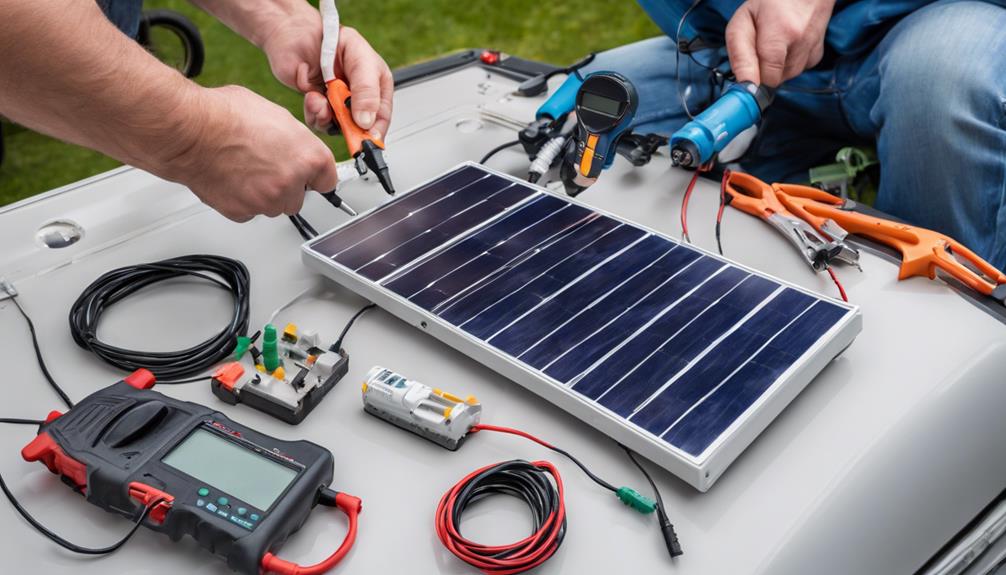
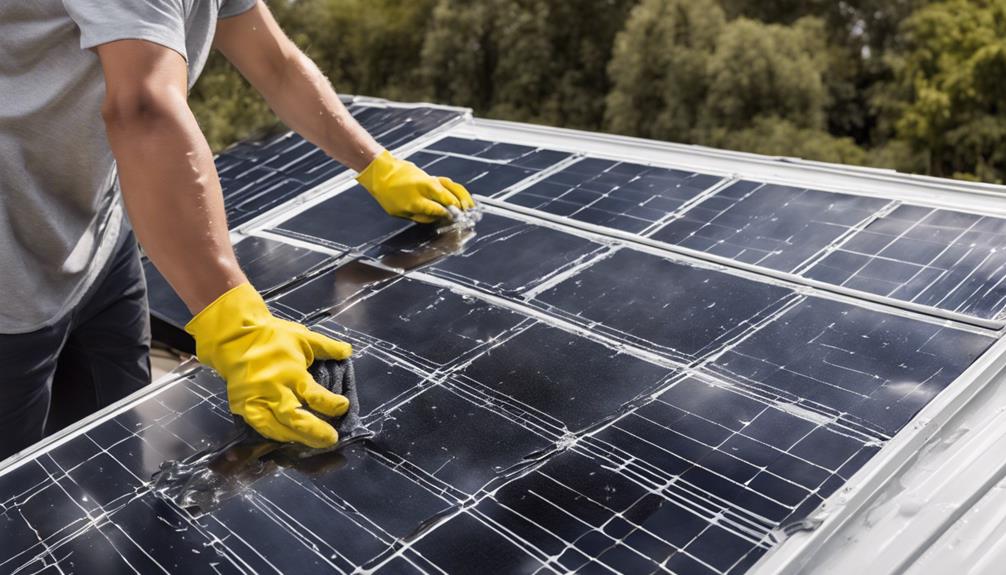
Adding renewable energy systems like rooftop solar is an increasingly common component of property renovations, especially when combined with battery storage to maximize self-consumption. Solar PV paired with energy-efficient appliances—from ENERGY STAR-rated refrigerators to induction cooktops—reduces grid reliance and operating costs. For larger renovations, consider integrating heat recovery ventilation systems or heat pumps for both heating and cooling, which can dramatically cut energy use compared with older electric resistance or fossil-fuel based systems.
Practical use cases: kitchens, bathrooms, basements, and attics
Renovating your house room by room allows you to focus on systems and materials that matter most for energy efficiency. In kitchens, energy-efficient appliances, LED lighting, and well-insulated exterior walls reduce both operating costs and heat gain from cooking. Bathroom remodels benefit from low-flow fixtures, efficient water heaters, and insulated hot water pipes to lower energy and water consumption. Finishing a basement or insulating an attic are cost-effective property renovations that increase usable space while improving thermal performance of the whole house. Targeting these specific areas can yield significant comfort and efficiency gains without a full-scale remodel.
Materials, durability, and sustainable choices
Choosing the right materials during a home renovation influences both energy performance and long-term maintenance. Opt for durable, low-maintenance siding and roofing materials with good thermal properties. Use low-VOC paints and responsibly sourced insulation materials to improve indoor air quality. When possible, select reclaimed or recycled materials to reduce embodied energy. Efficient windows with proper shading and orientation choices during renovation also reduce cooling loads in summer and sunlight penetration in winter, supporting passive design strategies.
Permits, contractors, and financing for property renovations
Navigating permits and selecting qualified contractors are essential steps in any renovation. Ensure contractors understand energy-efficient installation practices—proper insulation installation and airtight sealing are only effective when executed correctly. Explore financing options specifically designed for energy improvements, such as energy-efficient mortgages, utility rebates, and government incentives that offset the upfront cost of upgrades like heat pumps and solar panels. Consider lifecycle cost analyses rather than just upfront cost to make decisions that improve return on investment.
Maintenance and measuring long-term benefits
After renovating your house, regular maintenance ensures that efficiency gains persist. Schedule HVAC tune-ups, check seals and weatherstripping before extreme seasons, and monitor energy use with a smart home energy monitor to spot anomalies. Documenting pre- and post-renovation energy consumption provides a clear picture of savings and can help inform future property renovations. Over time, reduced utility bills, improved comfort, and increased resale value often justify the initial investment in energy-conscious upgrades.
Home renovation offers a powerful opportunity to blend comfort, aesthetics, and sustainability. By prioritizing energy-efficient measures—from insulation and windows to efficient appliances and renewable energy—you can reduce ongoing costs while enhancing the value and livability of your property. Thoughtful planning, the right materials, and experienced contractors will maximize the benefits of property renovations and ensure your home remains comfortable and efficient for years to come.