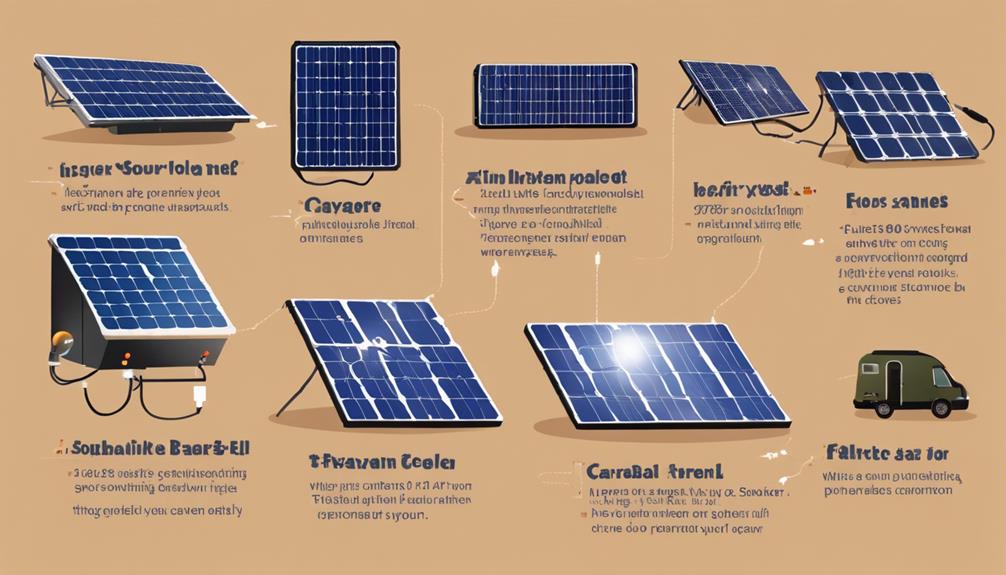
Understanding the solar power kilowatt hour is essential for homeowners and businesses considering rooftop or ground-mounted solar. The kilowatt hour, abbreviated kWh, is the unit that measures how much electrical energy a solar array produces and how much your household consumes. When you compare solar panels, estimate savings, or evaluate payback periods, thinking in kWh makes the financial and environmental benefits of solar tangible. This article explains what a solar power kilowatt hour means, how systems produce it, and how to translate those kilowatt hours into real-world savings.
What the term solar power kilowatt hour actually means
A solar power kilowatt hour represents one kilowatt of power produced or consumed for one hour. In practical terms, if a 1 kilowatt solar array operates at full output for one hour under ideal sun conditions, it generates one kWh of electricity. Most homes measure energy use on their utility bills in kWh, so comparing solar energy kWh production to household consumption is straightforward. Knowing the expected kWh output of a proposed system helps you estimate how much grid electricity you will offset and how much the system will reduce your monthly bills.
How solar panels convert sunlight into kilowatt hours
Solar panels convert sunlight into direct current electricity through photovoltaic cells. An inverter then changes that direct current into alternating current suitable for home use. The rated output of a panel is given in watts; for example, a 300 watt panel contributes 0.3 kilowatts at peak output. When the sun shines at peak intensity for an hour, that panel produces approximately 0.3 kWh. Real-world production depends on several factors, including orientation, tilt, shading, temperature, and local weather patterns. Tools and solar calculators estimate annual kWh per kilowatt of installed capacity, often expressed as kWh per kilowatt per year, which helps compare sites and panels.
Calculating savings using solar electricity price per kWh
To estimate financial returns, multiply expected annual solar energy kWh production by the solar electricity price per kWh you currently pay. If your utility charges 0.20 per kWh and your system produces 8,000 kWh annually, the gross savings before incentives are 1,600 a year. This simple calculation forms the backbone of more detailed analyses that include incentives, net metering rules, and maintenance costs. When comparing solar offers, be careful to understand whether the quoted savings reflect retail rates, time-of-use rates, or feed-in tariffs, since the effective value of each kilowatt hour produced varies by how and when it offsets grid consumption.
Sizing a system: how many kilowatt solar panels do you need?
Choosing the right size involves matching your kWh consumption with the expected production of the system. If your household uses 10,000 kWh per year and local solar conditions deliver roughly 1,200 kWh per kilowatt of capacity annually, you would need around 8.3 kilowatts of installed capacity to meet that demand. That figure is often expressed as kilowatt solar capacity. A typical residential system ranges from 3 to 10 kilowatts, depending on roof space and energy needs. Professional designers factor in future changes in consumption, electric vehicle charging, and desired utility independence when recommending system size.
Practical use cases: how kWh translates to everyday life
Thinking in kWh helps you understand how solar benefits daily living. For instance, if a dishwasher uses about 1 kWh per cycle and your solar array produces 20 kWh on a sunny day, those dishwasher cycles are fully covered along with several hours of lighting, refrigeration, and device charging. For electric vehicle owners, a kilowatt hour corresponds to a few miles of driving depending on the vehicle; a home that produces extra kWh during the day can significantly reduce the cost per mile of driving. Commercial installations measure savings in higher volumes: a 50 kilowatt solar array producing 60,000 kWh annually can meaningfully lower operational energy costs and improve margins for small businesses.
Factors that affect the number of solar energy kWh you’ll get
Several variables influence actual kWh output. Geographic location determines the baseline solar resource; southern and desert regions typically produce more kWh per kilowatt installed than cloudier climates. Roof orientation and tilt also matter: south-facing roofs in the northern hemisphere yield higher daily kWh production. Shading from trees, chimneys, or nearby buildings can reduce output disproportionately. Equipment choices—panel efficiency, inverter type, and system losses—will change how many kWh you ultimately harvest. Seasonal variation affects monthly kWh totals, so average annual production is the most reliable metric for long-term planning.
When assessing proposals, ask to see performance estimates expressed in kWh per year and full system modeling that includes local solar data. You should also consider how your utility prices electricity, because the solar electricity price per kWh you avoid by generating your own power is often the most direct way to measure savings. Incentives such as tax credits, net metering, and rebates can lower the effective cost per kWh of a system by spreading upfront costs over the expected lifetime kWh production.
In conclusion, understanding the solar power kilowatt hour turns abstract statements about panel wattage into actionable information about energy use and cost savings. By converting panel ratings into expected solar energy kWh production, comparing that production to your household consumption, and applying your local solar electricity price per kWh, you can estimate true financial returns and environmental impact. Whether you are sizing a kilowatt solar system for a family home or calculating ROI for a commercial project, grounding decisions in kWh leads to clearer comparisons and smarter investments in solar energy benefits and savings.