Choosing between installing solar panels and relying on grid electricity is a decision many homeowners and businesses face today. As energy prices rise and environmental concerns grow, understanding the trade-offs between solar power and traditional electricity is essential. This article compares solar panels vs electricity across costs, environmental impact, reliability, and practical use cases to help you decide which option best fits your needs.
How solar power works versus traditional electricity generation
Solar panels convert sunlight into direct current electricity using photovoltaic cells, which is then converted to alternating current for household use. Grid electricity, by contrast, often comes from a mix of generation methods—natural gas, coal, nuclear, hydro, and increasing shares of wind and utility-scale solar. The distinction between solar power vs electricity from the grid lies not only in where the electrons originate but in control and ownership: with rooftop solar, homeowners produce energy at the point of use, reducing dependence on centralized utilities.
Comparing upfront and long-term costs: solar panels vs electricity cost
One of the most common comparisons is solar panels vs electricity cost. Solar installations require an upfront investment for panels, inverters, mounting hardware, and installation labor. However, federal and local incentives, tax credits, and rebates can substantially reduce that initial expense. Over time, solar systems generate electricity with minimal fuel cost, which can substantially lower monthly energy bills. Grid electricity, meanwhile, typically has lower upfront costs but recurring monthly charges and exposure to future rate increases. Evaluating payback periods and lifetime savings is crucial: many homeowners see their solar investment pay for itself in six to twelve years, after which the electricity generated can be considered essentially free aside from maintenance.
Environmental impact and emissions: solar power versus electricity from the grid
Solar power versus electricity from fossil-fuel dominated grids often yields clear environmental advantages. Rooftop solar produces electricity with no on-site greenhouse gas emissions, reducing a household’s carbon footprint. Even when the grid incorporates renewables, adding distributed solar reduces transmission losses and the need for additional centralized generation capacity. For those prioritizing climate impact, choosing solar over conventional electricity can be a meaningful step toward lower emissions and greater energy independence.
Reliability, resilience, and practical use cases: solar vs electric grid
Reliability is a key consideration when weighing solar vs electric grid reliance. Grid electricity is generally reliable but can be vulnerable to outages from storms, wildfires, or infrastructure failures. Standard grid-tied solar systems without batteries will shut down during an outage for safety reasons, but systems equipped with battery storage can provide backup power and increase resilience. Practical use cases for solar include single-family homes aiming to cut bills, businesses looking to hedge against energy price volatility, and electric vehicle owners seeking a cleaner fueling option. In rural or off-grid situations, solar paired with batteries often outperforms running a diesel generator both financially and environmentally.
Financial incentives, payback, and maintenance considerations
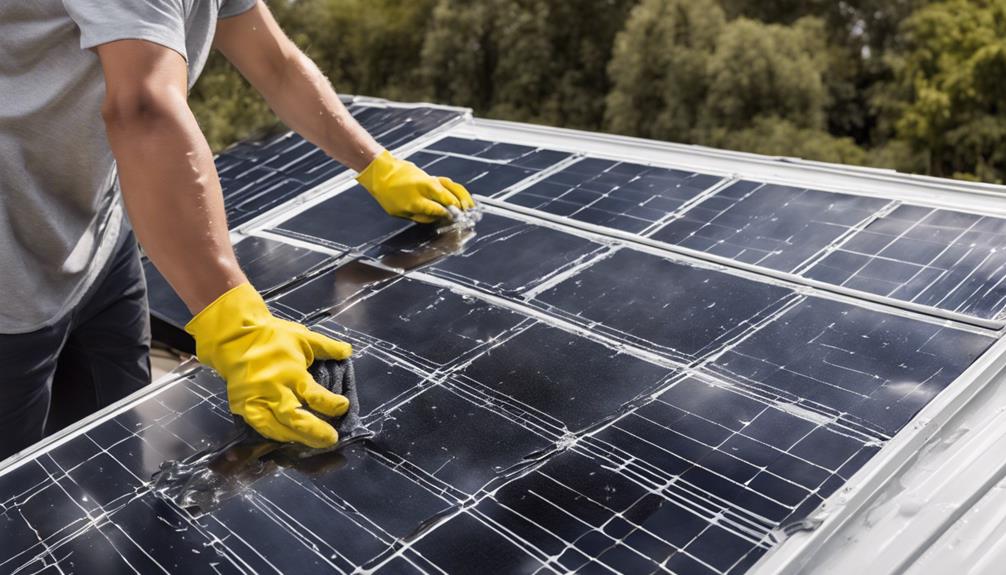
When considering solar power vs electricity cost, it’s important to factor in incentives and ongoing expenses. Many regions offer net metering or feed-in tariffs that credit surplus solar generation back to the customer, improving economic returns. Tax credits at the national level can significantly reduce system costs, while local utility programs may offer additional rebates. Maintenance for solar panels is relatively low—periodic cleaning and inverter replacement after 10 to 15 years are typical—but should be included in lifecycle cost calculations. Batteries add complexity and cost but can enable time-of-use optimization, allowing homeowners to store solar energy for use during peak-rate periods and further lowering net electricity costs.
Deciding which option fits your situation
Choosing between solar panels and grid electricity depends on multiple personal and regional factors. Homeowners with good roof orientation, minimal shading, and sufficient budget or access to financing are prime candidates for rooftop solar. Those in areas with high electric rates or generous incentives will see faster payback. Renters or homeowners with short-term occupancy plans may lean toward staying grid-connected, while those prioritizing energy independence, sustainability, or protection from outages might invest in a solar-plus-storage system. Assessing your energy use patterns, long-term plans, and local utility policies will help determine whether solar is the right match.
In summary, the solar panels vs electricity choice is not one-size-fits-all. Solar offers long-term savings, reduced emissions, and increased resilience when paired with batteries, while grid electricity provides immediate access without the upfront investment. By comparing solar power vs electricity cost in the context of incentives, usage, and local electricity rates, you can make an informed decision that balances financial and environmental priorities.