Understanding how is solar energy made helps homeowners, businesses, and policymakers make informed decisions about adopting clean power. Solar energy originates from the sun and can be captured in several ways to produce heat or electricity. This article explains the basic science behind solar generation, outlines the components of modern systems, explores how is solar energy currently used, and highlights practical savings and environmental benefits. Understanding how panels convert sunlight clarifies the financial and environmental benefits for homeowners.
The basic science: how solar energy is formed
Solar energy begins with nuclear fusion reactions in the sun that release vast amounts of electromagnetic radiation, including visible light and infrared. When this sunlight reaches Earth, its photons carry energy that can be converted into usable forms. Two primary technologies capture that energy: photovoltaic systems that convert light into electricity and solar thermal systems that collect heat. Both rely on capturing photons and turning their energy into either electrical current or thermal energy for direct use.
How photovoltaic panels convert sunlight into electricity
Photovoltaic, or PV, panels are the most common method of turning light into electricity. Each panel contains many solar cells made from semiconductor materials like silicon. When photons strike a solar cell, they knock electrons loose from atoms in the semiconductor. This creates an electrical current that flows through the material and can be drawn off as direct current electricity. A system inverter then converts that direct current to alternating current for household appliances or to match grid standards. Modern systems also include mounting hardware, performance monitoring, and sometimes batteries to store excess energy for later use.
Components of a typical PV system
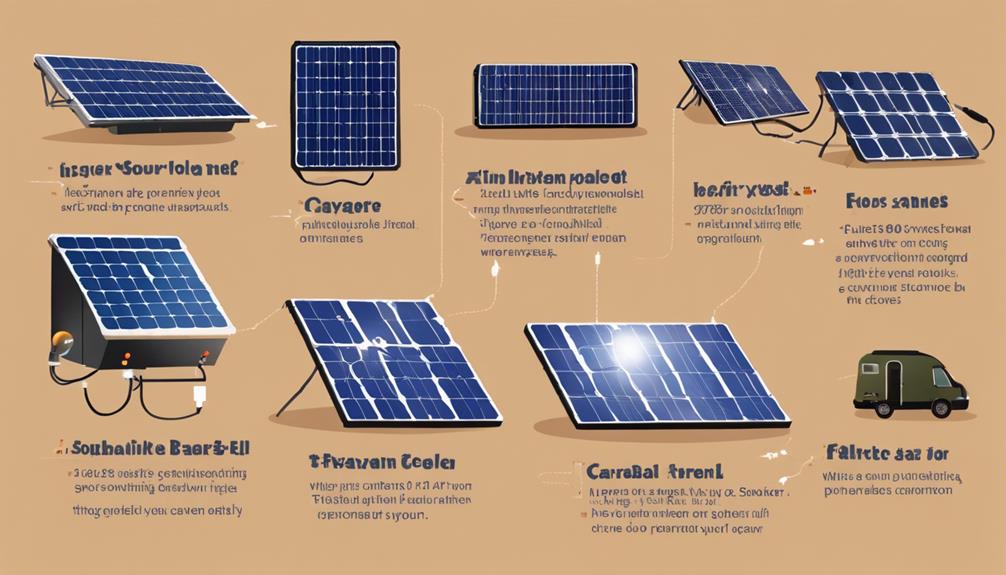
A residential PV setup typically includes the solar panels, an inverter or microinverters, electrical wiring and disconnects, racking to secure panels to the roof or ground, and a meter that tracks energy flow. In grid-tied systems, excess power is sent back to the grid through net metering arrangements, while off-grid systems pair panels with battery banks and charge controllers to manage storage and supply. Each component plays a role in making solar energy usable and reliable in everyday settings.
The role of solar thermal systems
Solar thermal technology captures sunlight to produce heat rather than electricity. Simple solar water heaters use collectors to warm water for residential or commercial use, reducing the need for gas or electric water heating. At larger scales, concentrated solar power plants use mirrors to focus sunlight on a receiver, generating high temperatures that drive steam turbines and produce electricity. Solar thermal is especially valuable for applications that require direct heat or for hybrid systems that combine thermal storage with electricity generation for dispatchable power.
How is solar energy currently used in homes, businesses, and utilities
Today, solar energy is used across a wide range of applications. In residential settings, rooftop solar provides electricity for lighting, appliances, electric vehicle charging, and home heating systems. Many homes pair solar panels with battery storage to increase resilience and reduce grid dependence. Commercial buildings use larger arrays to cut operating costs and showcase sustainability. Utility-scale solar farms supply power to thousands of homes, often paired with battery storage or other generation sources to balance supply. Additionally, solar pumps are used for irrigation, and solar lighting and signage reduce energy costs in public infrastructure. Industrial processes leverage both photovoltaic and solar thermal technologies to lower energy expenses and carbon footprints. After learning how sunlight becomes electricity, explore practical everyday solar applications for homes and businesses.
Practical savings and financial benefits of going solar
One of the most compelling reasons to install solar is long-term savings. Upfront costs have decreased significantly over the past decade, while panel efficiency and system longevity have improved. Solar reduces monthly electricity bills by producing power on-site and can earn credits through net metering when excess electricity is exported to the grid. Incentives such as tax credits, rebates, and performance-based incentives further improve the economics. For many homeowners, solar systems pay back their initial investment in several years and continue to provide low-cost electricity for decades. Businesses often see even faster returns because of higher energy usage and demand charges that solar can offset.
Environmental impact and broader benefits
Beyond direct cost savings, solar energy delivers substantial environmental benefits. Generating electricity from sunlight produces no direct greenhouse gas emissions, helping reduce the carbon footprint of homes and companies. Widespread solar adoption also decreases dependence on fossil fuels, improves air quality, and can reduce water use compared to conventional thermal power plants. On a community level, distributed solar contributes to grid resilience by diversifying energy sources and can support local jobs in installation, maintenance, and manufacturing.
Understanding how is solar energy made and how is solar energy currently used provides a foundation for evaluating whether solar is a good fit for your needs. Whether you aim to lower utility bills, reduce environmental impact, or increase energy independence, solar offers practical pathways to achieve those goals. Advances in storage, financing, and system design continue to expand where and how solar can be deployed, making it an increasingly accessible option for a wide variety of customers.
In conclusion, solar energy begins with sunlight and can be converted to electricity or heat through photovoltaic and thermal technologies. Modern systems combine panels, inverters, controls, and sometimes storage to deliver reliable power for homes, businesses, and utilities. The financial savings, environmental advantages, and versatility of solar make it an attractive component of a sustainable energy strategy that benefits individuals and communities alike.