An energy saving roof is more than a protective covering — it is a strategic investment that reduces energy bills, improves comfort, and supports environmental goals. As homeowners and building managers look for ways to cut costs and greenhouse gas emissions, roof technologies that harness roof sunlight, reflect roof sun heat, or integrate photovoltaic systems are becoming mainstream. This article explains how an energy saving roof works, the most effective types and materials, real-world benefits and savings, and practical considerations for installation and maintenance.
How an energy saving roof captures and reduces heat
At its core, an energy saving roof reduces the amount of heat entering or leaving a building. Some solutions reflect the roof sun’s energy away from the building, keeping interiors cooler in summer. Others capture sunlight and convert it into electricity, offsetting grid-supplied energy. Proper insulation and ventilation complement these measures, creating a roof system that manages heat transfer throughout the year. Understanding the interplay between reflective coatings, insulation layers, and rooftop solar is essential for choosing the right approach for your climate and energy goals.
Types of energy saving roofs and how to choose
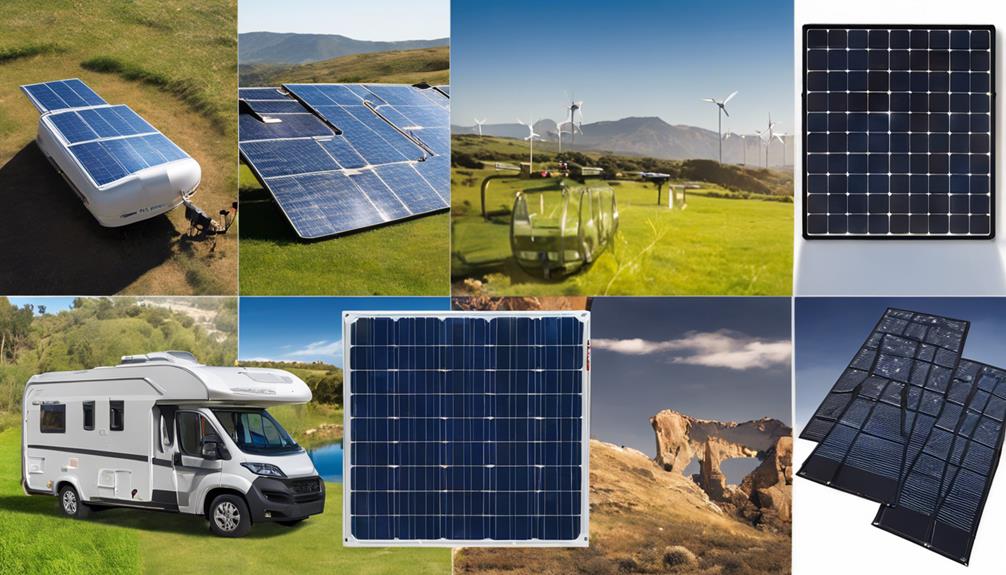
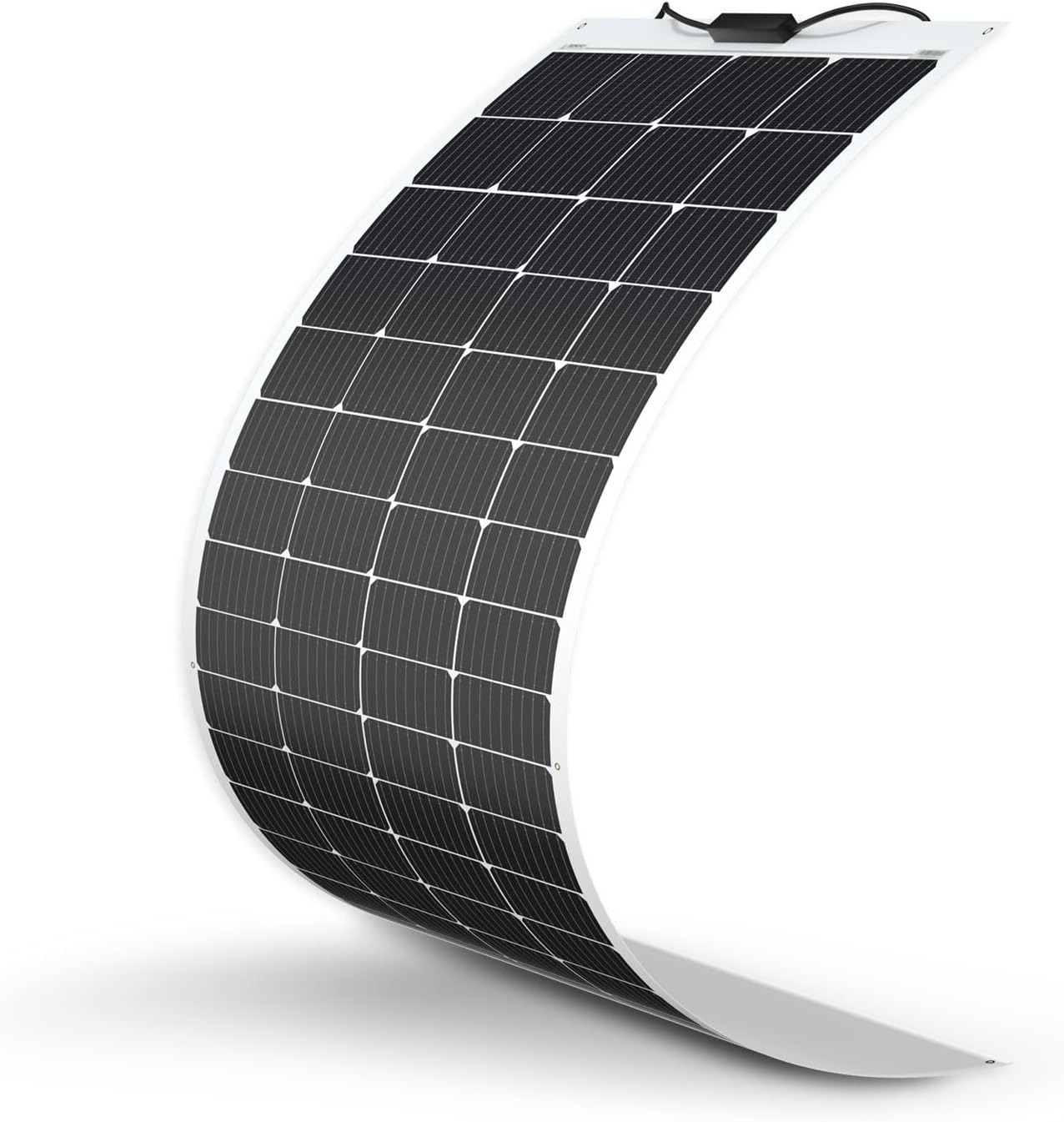
There are several proven roof systems that contribute to energy savings. Cool roofs use light-colored or reflective materials that minimize heat absorption from the roof sun, reducing cooling loads in warm climates. Green roofs—covered with vegetation—provide insulation and evaporative cooling, which is particularly useful in urban areas that suffer from heat island effects. Solar roofs integrate photovoltaic panels into the roof structure or are mounted above it to generate power from roof sunlight. For homeowners who want natural daylighting without losing thermal performance, a sun roof in house designs such as skylights or roof windows can be optimized with insulated glazing and shading to balance light and heat gain.
Practical energy savings and financial benefits
The financial upside of an energy saving roof varies by technology, climate, and energy prices. Cool roofs can cut air conditioning costs by lowering indoor temperatures during hot months, leading to immediate reductions in utility bills. Solar roofs produce electricity that can offset daytime consumption, lower peak demand charges, and, in some jurisdictions, earn credits for exported power. Green roofs extend the life of roofing membranes by protecting them from UV radiation and thermal cycling, which reduces long-term replacement costs. When factoring in federal, state, or local incentives for solar installations, the payback period for a solar roof can shrink considerably, making it an attractive option for both households and commercial properties focused on solar energy benefits and savings.
Practical use cases: residential and commercial
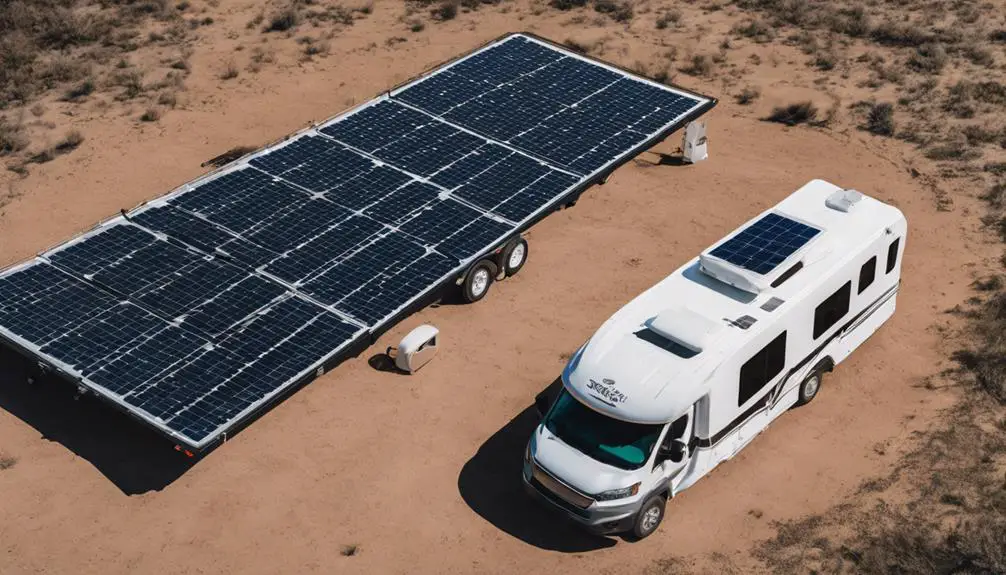
In residential settings, an energy saving roof can transform a home’s comfort and operating costs. Families in hot climates often combine cool roofing with photovoltaic panels to reduce cooling bills and cover daytime electricity needs. In older homes, adding insulation under the roof and installing a high-performance sun roof in house can bring natural light to living spaces while maintaining thermal efficiency. For commercial buildings, flat roofs are ideal for large-scale solar arrays and green roof installations that reduce stormwater runoff and improve tenant comfort. Schools and public buildings benefit from combined strategies—solar power to lower operating costs, plus reflective or vegetated roofing to improve HVAC efficiency and indoor air quality.
Installation, maintenance, and long-term performance
Choosing an experienced installer is critical for realizing the full benefits of an energy saving roof. For solar installations, proper orientation, tilt, and shading analysis determine energy yield. Cool roofs require high-quality reflective coatings that adhere well to the substrate and are resistant to dirt accumulation, which can reduce effectiveness over time. Green roofs need appropriate waterproofing, root barriers, and irrigation plans tailored to local rainfall patterns. Routine maintenance such as cleaning photovoltaic panels to remove dust and checking seals around skylights helps sustain performance. Long-term performance is also influenced by local climate: systems that excel at reflecting roof sun in a desert environment may be less advantageous in cold climates where passive solar heat gain is beneficial in winter.
Design considerations for maximizing roof sunlight use
Maximizing the benefits of roof sunlight involves both design and technology choices. Accurate solar mapping of the roof surface helps identify the best zones for photovoltaic panels and avoids shading from chimneys, trees, or neighboring buildings. For sun roof in house options, selecting glazing with low-emissivity coatings and incorporating automated shades or ventilating features allows homeowners to enjoy daylight without unwanted heat gain. When integrating different technologies—such as combining solar panels with cool roof coatings—consult designers to ensure materials are compatible and that one solution does not negate the benefits of another. Thoughtful design can turn a simple roof into an efficient energy asset that contributes to lower bills and improved indoor comfort.
Adopting an energy saving roof is a practical, measurable step toward lower energy consumption and greater resilience. Whether the priority is immediate utility savings through reflective materials, long-term generation of clean electricity from rooftop solar, or a combination of daylighting and insulation improvements with a sun roof in house, the right roof strategy depends on climate, building use, and budget. By considering installation quality, maintenance needs, and local incentives, homeowners and building managers can achieve significant solar energy benefits and savings while enhancing the durability and comfort of their properties.