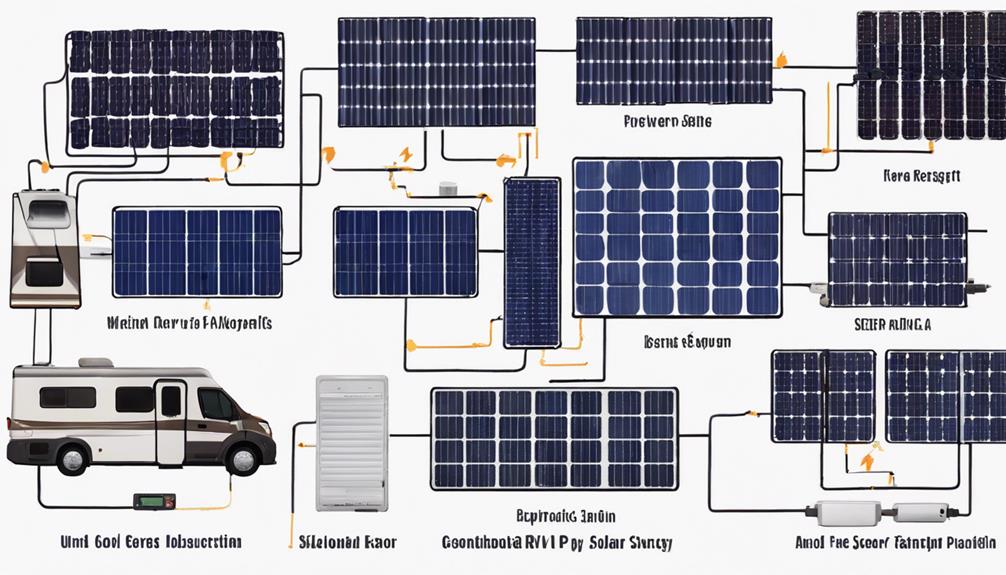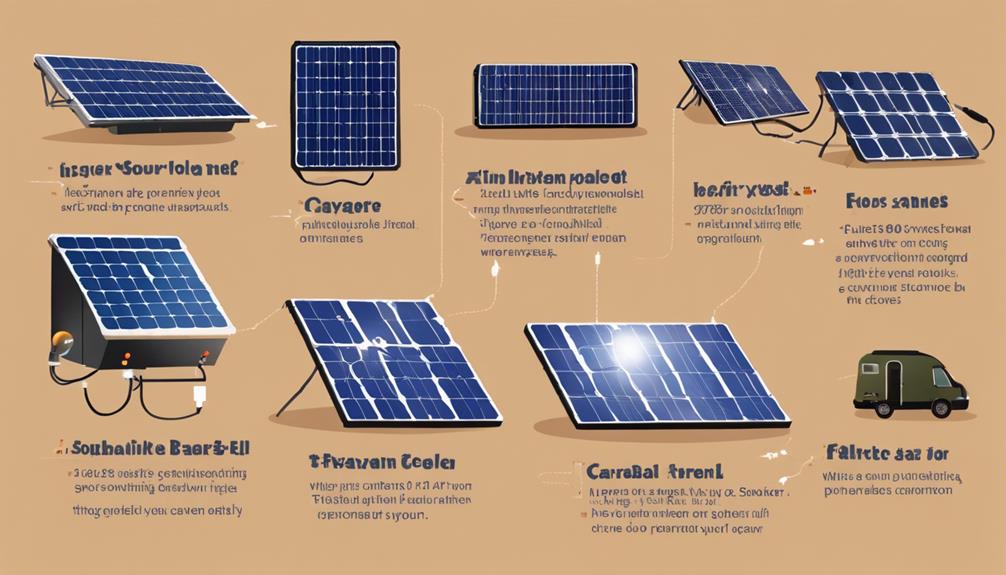
Solar sheets are an emerging option for homeowners exploring residential solar panels. These thin, flexible photovoltaic materials offer new ways to capture sunlight on surfaces that traditional rigid panels cannot easily cover. For anyone researching how to integrate renewable energy into a home—whether replacing aging shingles or adding power to a detached garage—a solar sheet can be a practical and stylish alternative that expands where and how solar electricity is generated. Solar sheets can simplify home solar installations by offering lightweight, flexible alternatives for rooftop energy generation.
What is a solar sheet and how does it work?
A solar sheet is a lightweight, flexible photovoltaic product built from thin-film solar cells or polymer-based materials. Unlike conventional crystalline silicon panels, solar sheets bend slightly and can be cut to size, enabling installation on curved, textured, or irregular surfaces. They convert sunlight into direct current electricity, which is then routed through an inverter to become usable alternating current for household appliances. In Spanish-speaking regions you may see the term pantalla solar used to describe a similar concept—literally a solar screen—especially when the sheet is used as a shading element that also generates electricity.
Benefits for homeowners compared with traditional residential solar panels
One of the biggest advantages of a solar sheet is its adaptability. Its low weight reduces the need for structural reinforcement, opening up possibilities for older roofs, pergolas, patio covers, or metal cladding. Solar sheets can be integrated into architectural details so they are less visually intrusive than rack-mounted arrays, which appeals to homeowners who prioritize curb appeal. Installation is often faster and less labor intensive, reducing some soft costs. While thin-film options typically have lower efficiency than top-tier crystalline panels, they perform better in diffuse light and at elevated temperatures, making them attractive in shaded neighborhoods or hot climates.
Installation and compatibility with existing residential solar systems
Installing a solar sheet requires attention to electrical compatibility and roof materials. Many home systems pair solar sheets with string or microinverters to ensure safe conversion to grid-ready electricity. For homeowners who already have a conventional solar array, a solar sheet can often be tied into the same inverter or routed to a separate microinverter, allowing it to supplement existing generation without major system changes. Permits and inspections are still necessary; local codes vary for integrated systems and roof-mounted products. A professional installer can evaluate roof load, fire ratings, and warranty implications to recommend whether the sheet should replace part of the roofing material or be mounted on top of it.
Practical residential use cases
Solar sheets are especially useful for several residential scenarios. Homeowners with curved metal roofs, arched porches, or dormer windows can use flexible sheets to cover areas where rigid panels won’t fit. They are also a good option for lightweight carports and patio covers, where the sheet doubles as weather protection and a power source for outdoor lighting or EV charging. For renters or people with temporary needs, portable solar sheet kits can power an RV, shed, or construction site and be removed when no longer needed. In retrofit projects where minimizing roof penetrations is important—such as on historical homes—a adhered solar sheet can be installed with fewer mechanical fasteners, helping preserve the roof’s integrity. To maintain a low-profile aesthetic, pair your Solar Sheet with all black panels for seamless appearance.
Cost, incentives, and long-term savings
Solar sheets generally cost less per square foot than custom building-integrated photovoltaics but more per watt than mainstream crystalline panels because of lower efficiency. That means you may need more surface area to produce the same amount of electricity. However, the reduced labor and structural costs, combined with the ability to utilize otherwise unusable surfaces, can make solar sheets economically viable. Homeowners should evaluate local incentives, tax credits, and net metering policies that affect payback periods. In many regions, federal tax credits and state rebates apply to thin-film installations just as they do to traditional residential solar panels, improving return on investment. A careful energy audit will help estimate realistic savings based on household consumption patterns and solar access.
Maintenance, durability, and environmental impact
Maintaining a solar sheet is similar to caring for other solar products: occasional cleaning to remove dust and debris, periodic visual inspections for delamination or wear, and monitoring system output to detect performance drops. Many manufacturers offer warranties that cover power output degradation and product defects; warranty lengths vary and should be weighed against traditional panel guarantees. From an environmental perspective, solar sheets reduce household carbon emissions by replacing grid electricity with renewable generation. As technology advances, manufacturers are improving recyclability and reducing hazardous materials in thin-film processes, addressing end-of-life concerns and making solar sheets a greener choice over their lifecycle.
Choosing a solar sheet as part of a residential solar panels strategy expands the ways homeowners can adopt solar power. While they are not always the most efficient per square foot, solar sheets excel in flexibility, design integration, and use on unconventional surfaces. For many households, combining solar sheets with conventional panels or energy storage creates a balanced system that maximizes available roof and exterior surfaces, lowers energy bills, and increases resilience. Consult a qualified solar professional to assess roof conditions, permits, and system design so your solar sheet installation delivers reliable performance and long-term value.