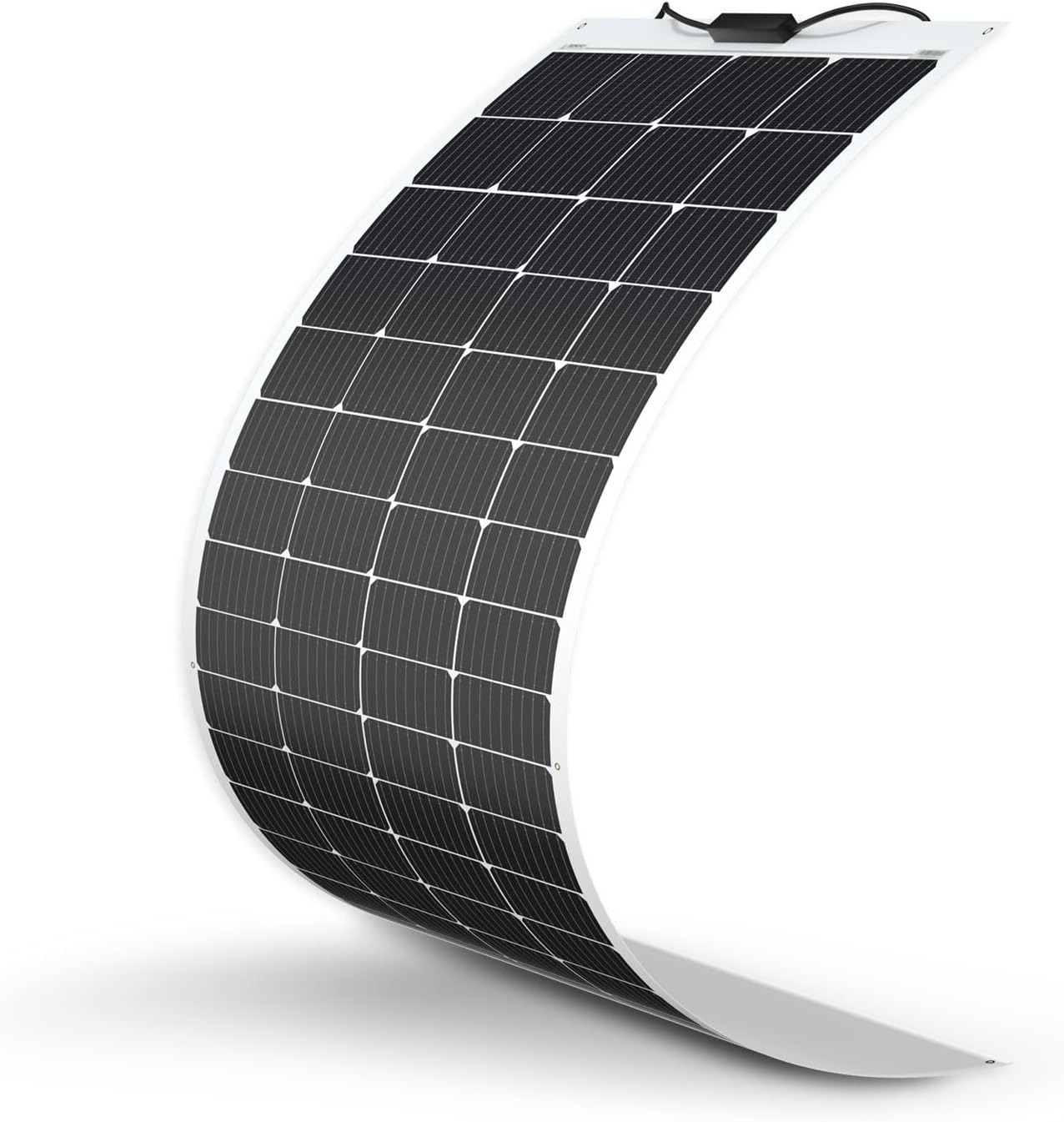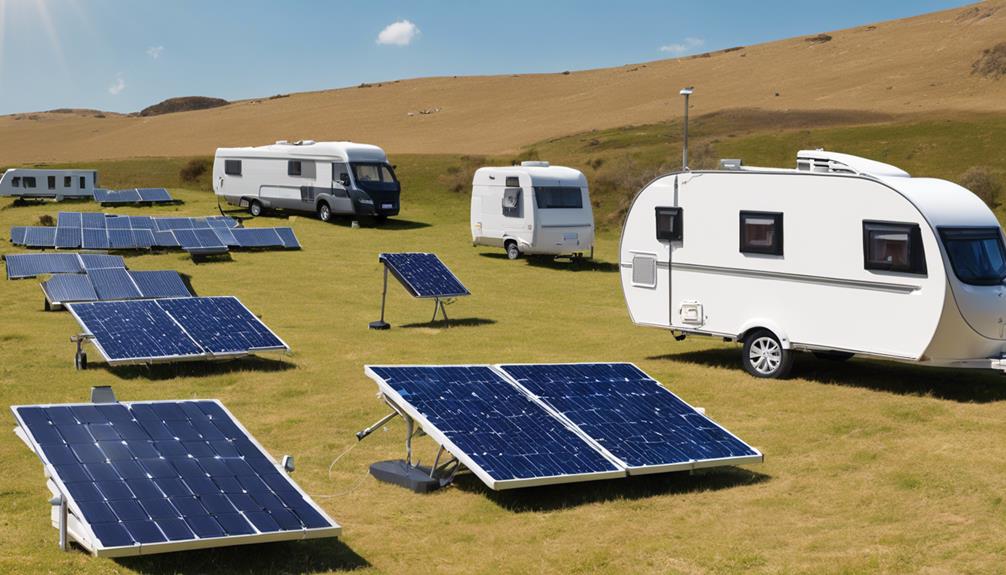
Solar powered appliances are changing the way homeowners think about energy use. As residential solar panels become more affordable and efficient, an increasing number of devices—from refrigerators and water heaters to fans and outdoor lighting—can operate directly or indirectly on solar energy. This article explains how solar powered appliances work, which products make the most sense for a household, and how to size a solar panel for home appliances to maximize savings and reliability. To power appliances reliably long-term, consider installing home solar panels sized for appliance loads and storage.
How solar powered appliances work in a typical home
At a basic level, solar powered appliances are either directly connected to a photovoltaic system or powered indirectly through stored solar energy. Photovoltaic panels convert sunlight into electricity, which is then regulated by inverters and charge controllers. For appliances that require consistent power, homeowners often include a battery bank to store excess energy generated during the day. In grid-tied systems, solar electricity can offset household consumption by feeding surplus energy back to the utility, effectively reducing bills. In off-grid setups, batteries and proper load management ensure essential appliances run when sunlight is unavailable.
Common solar powered appliances for residential use
Not every appliance is equally well-suited to run on solar energy. Low to medium-power devices such as LED lighting, smart thermostats, ceiling fans, and televisions are easy to integrate into a solar system and provide immediate value. High-draw appliances like electric ovens and large air conditioners are more expensive to run on solar without substantial system capacity. That said, many homeowners successfully use solar panels for home appliances such as refrigerators and washing machines by pairing them with appropriate inverters and energy storage. Emerging products designed specifically for solar homes, including energy-efficient heat pump water heaters and DC refrigerators, reduce overall consumption and simplify system design.
Sizing a solar panel for home appliances: practical considerations
Determining the right solar panel for home appliances requires an understanding of daily energy consumption, peak loads, and desired independence from the grid. Start by listing the appliances you plan to run on solar and calculating their combined watt-hours per day. For example, a modern refrigerator might use 1,200 watt-hours per day, while lighting and electronics could add another 1,000 watt-hours. Once you have a daily energy target, estimate the average peak sun hours at your location and divide the daily load by that number to get the required solar array size. Factor in system losses, inverter efficiency, and battery round-trip losses to avoid undersizing. Consulting with a certified installer is recommended, especially when designing systems intended to power a mix of essential and comfort appliances.
Installation and maintenance for long-term reliability
Proper installation and ongoing maintenance are essential to keep solar powered appliances running efficiently. Panels should be mounted at the correct angle and orientation to capture maximum sunlight throughout the year, and inverters should be matched to the system’s load profile. Batteries require particular attention—lead-acid and lithium options have different maintenance and lifecycle characteristics, and the choice affects long-term performance. Regular inspections to check for shading, debris buildup, and corrosion on connections can prevent performance degradation. Many modern systems include monitoring tools that allow homeowners to track solar production and appliance consumption in real time, making it easier to spot issues or optimize usage patterns. When planning solar powered appliances, check San Diego pricing to estimate panel and installation costs accurately.
Use cases: where solar powered appliances deliver the most value
Different household scenarios benefit from solar appliances in distinct ways. In sunny regions with high electricity prices, using a solar panel for home appliances significantly reduces monthly bills and shortens payback periods. For remote or rural properties that lack reliable grid access, solar-powered refrigerators and lighting dramatically improve quality of life while avoiding the cost and complexity of extending grid infrastructure. In areas prone to outages, pairing essential appliances with battery-backed solar systems provides resilience and peace of mind. Finally, environmentally conscious homeowners can achieve meaningful reductions in carbon footprint by prioritizing solar-powered replacements for high-use appliances.
Cost, incentives, and return on investment
Upfront costs for a system designed to run multiple appliances can be substantial, but incentives and financing options often make adoption feasible. Federal, state, and local incentives may provide rebates, tax credits, or performance-based payments that lower net system costs. When calculating return on investment, consider not only direct bill savings but also reduced maintenance for solar-optimized appliances and the potential increase in property value. Energy efficiency upgrades—such as replacing an old refrigerator with a solar-friendly model—often deliver faster returns than simply adding more panels. A balanced approach that combines efficient appliances with an appropriately sized residential solar panels system typically yields the best economic and environmental outcomes.
Transitioning to solar powered appliances is a practical, scalable step toward greater energy independence and lower utility costs. By choosing the right mix of devices, correctly sizing the solar array and battery storage, and maintaining the system, homeowners can enjoy reliable power, reduced carbon emissions, and long-term savings. Whether you are exploring how a solar panel for home appliances can cut your monthly bills or planning a full home retrofit, thoughtful planning and professional guidance will help you get the most from residential solar panels.