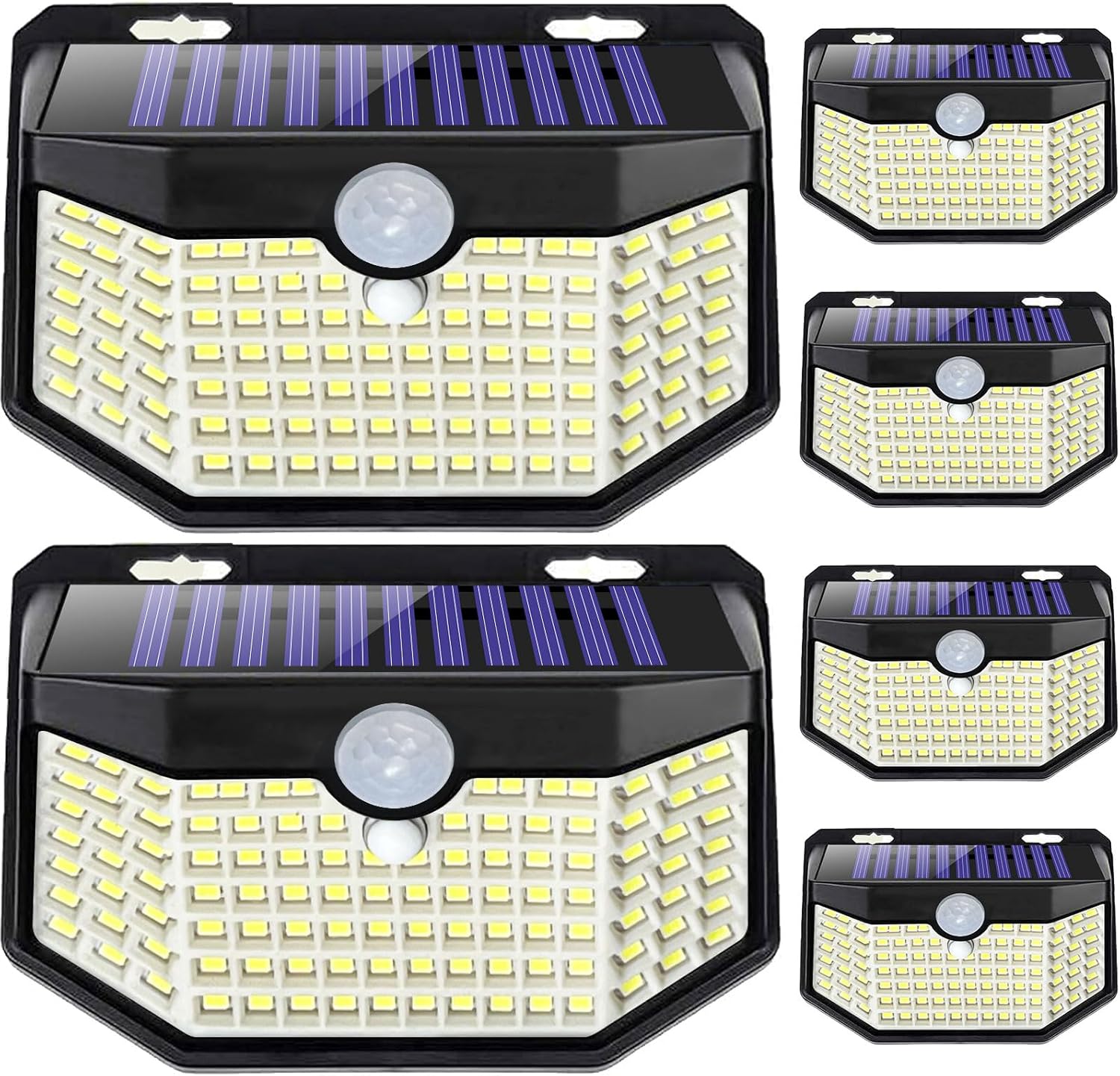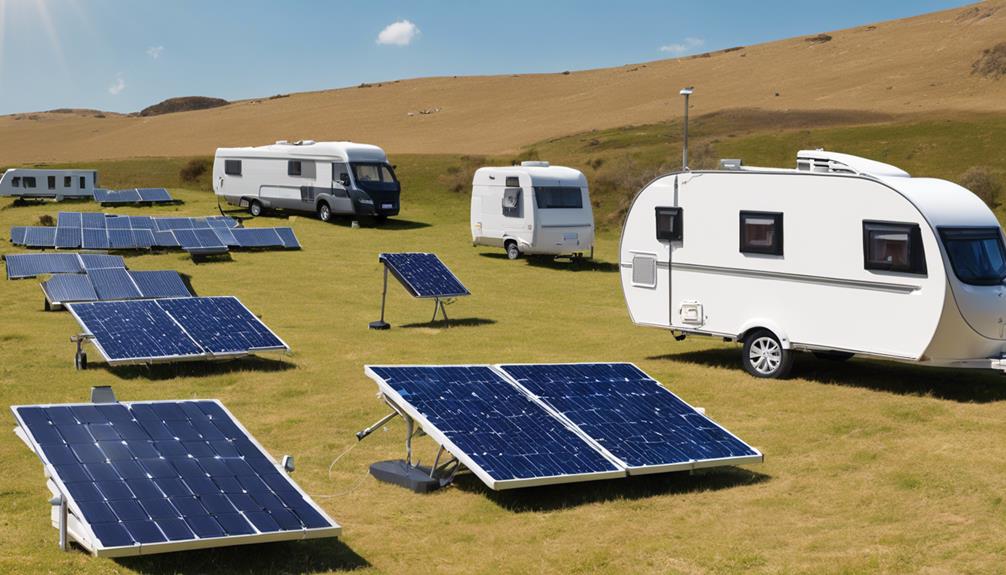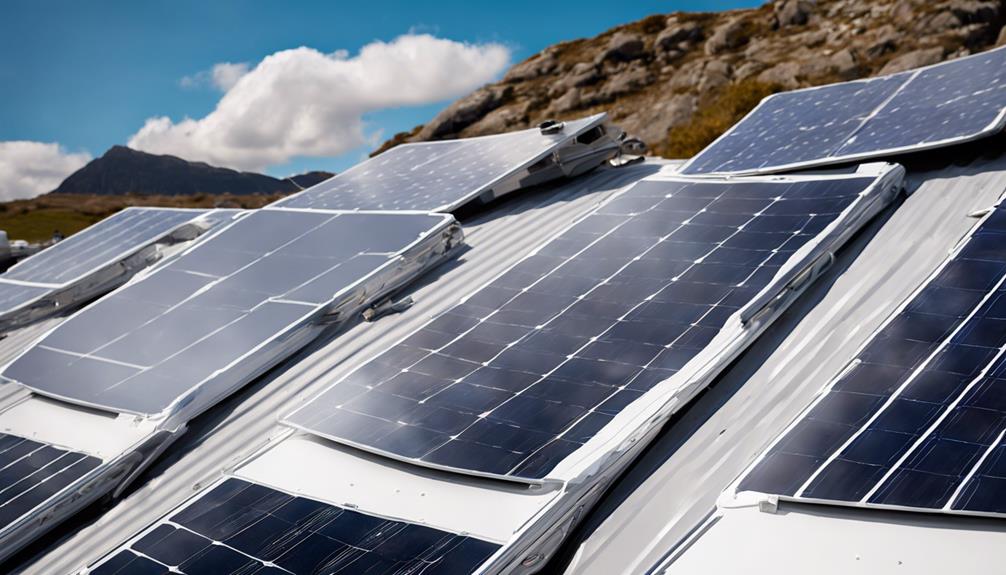
Photographs play a vital role in understanding residential solar panels, whether you are researching options, choosing an installer, or documenting a finished system. High-quality images of solar panels help homeowners visualize how systems look on different roof types, compare panel styles, and identify components like inverters and racking. This article explains why clear solar panels pictures matter, reviews common panel types you will see in images, offers tips for capturing useful photos, and suggests practical ways to use these visuals during the planning and monitoring of a home installation.
Why images of solar panels matter for homeowners
Visuals often convey information faster and more reliably than descriptions alone. For homeowners considering residential solar panels, images provide immediate answers about aesthetics, scale, and placement. A set of well-curated solar panels pictures can show how panels integrate with rooflines, how shading affects layout, and what different mounting options look like in real-world settings. When researching, prospective customers frequently compare images to ensure the system will match their neighborhood, complement their home’s color palette, and meet local design guidelines or homeowner association rules.
Types of solar panels shown in common solar panels pictures
When you look through galleries of images of solar panels, you will typically encounter several panel styles. Monocrystalline panels are identifiable by their uniform black cells and sleek appearance, which many homeowners prefer for aesthetic reasons. Polycrystalline panels appear with a bluish tint and a speckled texture, often seen in older installations or budget-focused projects. Thin-film panels, which are less common for residential roofs, appear as large, continuous sheets and are sometimes used in integrated or low-profile designs. Understanding these visual differences helps homeowners spot the technology they are seeing in pictures and evaluate which option aligns with their budget and aesthetic priorities.
Other elements visible in photos
Good solar panels pictures also include accessories and installation details that matter: racking and rail systems, microinverters or string inverters, conduit runs, and roof penetrations. These details are important when assessing the quality of workmanship and the neatness of an installation. For example, tidy cable runs and properly sealed flashings visible in close-up photos suggest professional installation standards that will likely reduce maintenance issues over time.
How to use images of solar panels when planning an installation
Images are useful throughout the planning process. During the initial research phase, homeowners can compare different panel brands and finishes by reviewing solar panels pictures from manufacturer galleries and customer projects. When soliciting quotes, provide your preferred images to installers to communicate your expectations about panel layout and visibility. Many installers use aerial or rooftop photos to create mock-ups showing a proposed array; these visual proposals help you assess energy yield versus aesthetic impact. After installation, regular photographic documentation is useful for warranty claims, performance monitoring, and insurance purposes.
Best practices for photographing residential solar panels
Capturing effective images of solar panels requires attention to lighting, perspective, and resolution. Take photos in bright, diffuse daylight to avoid harsh shadows and reflections that obscure panel details. A mix of wide-angle shots from the street and close-ups of panel edges and electrical components gives a complete view of the installation. When documenting performance issues or damage, include a date stamp and, if possible, a wide shot that shows the panel’s position relative to nearby trees or chimneys. For rooftop photos, safety is paramount—use professional drone photography or have a qualified installer take rooftop pictures to avoid accidents.
Where to find high-quality solar panels pictures and legal considerations
High-quality images of solar panels can be found on manufacturer websites, installer portfolios, and renewable energy publications. Social media platforms and user forums also host real-world photos from homeowners that highlight unique challenges and creative solutions. When reusing images, check the licensing terms—some photos are free for personal reference, while others require attribution or a license for commercial use. Avoid using images that include identifiable neighbors or private property without permission to respect privacy. For homeowners creating a photo record of their own system, storing high-resolution images in a secure cloud folder ensures easy access for maintenance or warranty claims.
Practical use cases: from marketing to maintenance
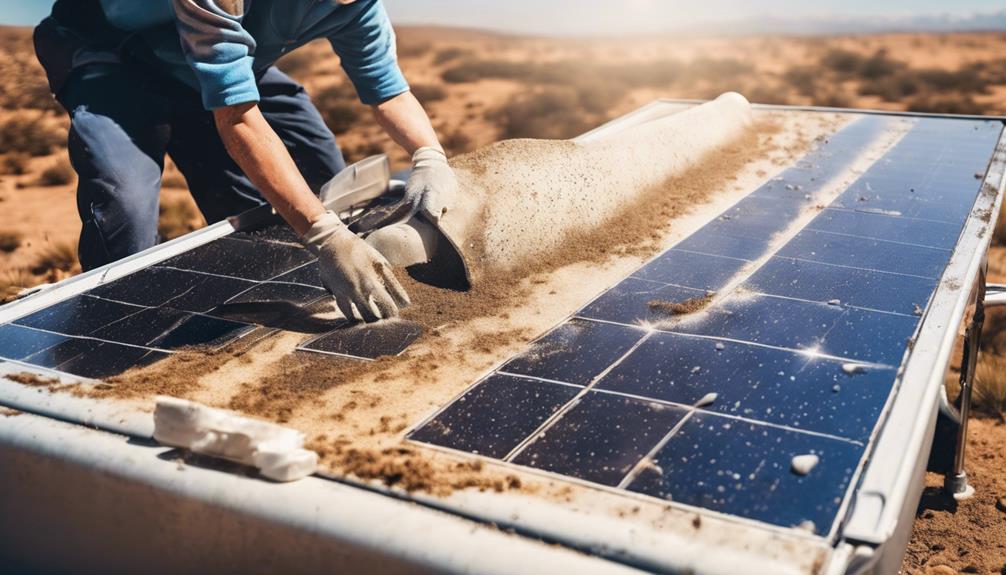
Images of solar panels serve many practical purposes beyond initial selection. Installers use solar panels pictures in marketing materials and case studies to demonstrate expertise and build trust. Homeowners use photos to track seasonal soiling or shading patterns that affect performance. Real estate listings that include clear images of an installed solar system often attract higher interest from buyers who value energy savings and sustainability. Additionally, insurers and warranty providers frequently request photographic evidence to process claims quickly, making routine photo documentation a small step that can save time and money later.
Quality images of solar panels are a powerful tool for homeowners, installers, and buyers alike. They clarify expectations, aid in planning and permitting, document workmanship for warranties, and help maintain system performance over time. Whether you are exploring options for residential solar panels or maintaining an existing array, investing time in finding and creating reliable solar panels pictures will make every stage of the project clearer and more efficient. Use these visual resources thoughtfully, follow safety and legal guidelines when photographing systems, and keep a dated archive of images to support long-term care of your solar investment.