Choosing the best location for solar panels is one of the most important decisions a homeowner makes when switching to residential solar panels. Location affects energy production, system efficiency, installation cost and long-term savings. This article walks through the practical factors that determine optimal solar panel placement, explores whether south facing solar panels are always the right choice, and explains where you can put solar panels on your property to maximize return on investment. Consider optimal rooftop placement when planning home solar systems to maximize energy production and savings.
Why location matters for residential solar panels
Solar panels convert sunlight into electricity, so the amount and quality of sunlight they receive directly determine how much power your system produces. The best location for solar panels balances sun exposure, accessibility, structural suitability and local rules. A well-placed array can increase year-round generation, reduce reliance on the grid and shorten payback periods. Conversely, poor placement can lead to underperformance, higher costs for racking and electrical runs, and more frequent maintenance.
Roof versus ground: evaluating the best place for solar panels
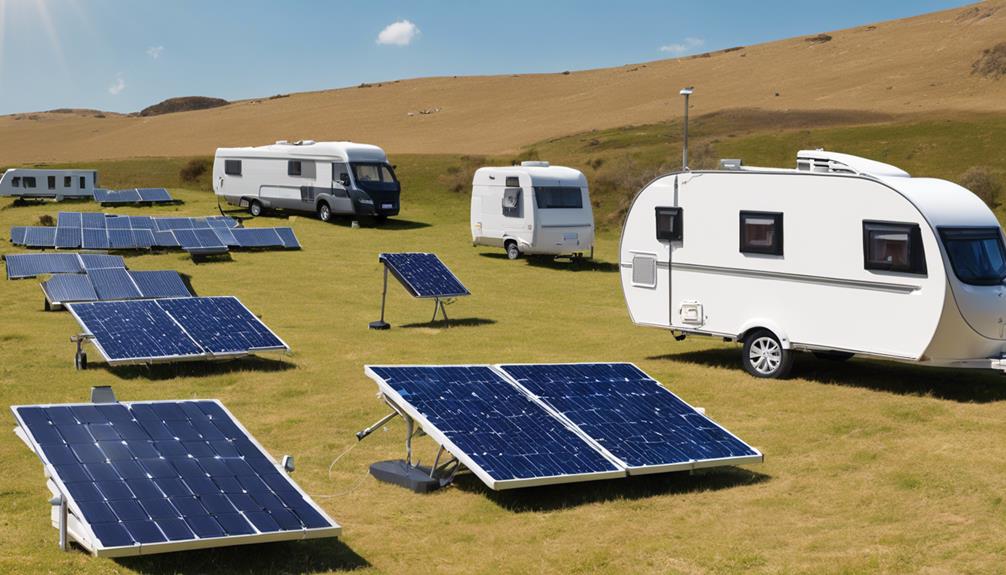
For most homes, the roof is the default location for solar panels because it elevates the array above shade, frees up yard space, and often aligns with existing electrical pathways. South facing solar panels on a roof in the northern hemisphere generally capture the most direct sunlight throughout the day, making them a common recommendation. Nonetheless, roof orientation, pitch, available space and structural condition vary widely. If your roof is too shaded, shaded by trees, or oriented poorly, a ground-mounted system might be the best place for solar panels. Ground mounts allow flexible tilt and orientation, easier cleaning and cooling airflow, which can boost performance. However, ground installations usually require additional permitting, fencing and conduit runs that increase upfront cost.
Orientation and tilt: are south facing solar panels always best?
In many locations, especially in the northern hemisphere, panels that face south generate the most annual energy because they receive consistent sun from morning through afternoon. That said, the best orientation depends on your electricity usage profile and site specifics. East-west orientations can outperform a south-facing array if your household consumes most energy in the morning or evening. Tilt angle matters too: a steeper tilt captures more winter sun while a shallow tilt favors summer production. Many installers recommend optimizing tilt and orientation for your local climate and load patterns rather than applying a one-size-fits-all rule.
Latitude and seasonal variations
Your latitude influences ideal panel tilt and whether a fixed or adjustable mount makes sense. Closer to the equator, flatter angles are common; at higher latitudes, you may benefit from steeper tilts. Consider how seasonal changes affect your energy needs—if heating is the primary load in winter, you might prioritize winter sun instead of peak summer production.
Practical constraints: shading, roof condition and local regulations
Even a south facing roof can underperform if nearby trees, chimneys or neighboring buildings cast shade on the panels. Shading patterns change throughout the day and season, so a professional shading analysis is essential. Roof condition is another key constraint. Panels last 25 years or more, so installing them on an aging roof means you may need to remove and reinstall panels for roof repairs. Many installers recommend repairing or replacing a roof before a solar installation.
Where do you put solar panels also depends on local codes, homeowner association rules and height restrictions. Some municipalities require specific setbacks for ground-mounted systems or have design review processes for visible roof arrays. Check zoning and permitting requirements early to avoid costly redesigns or delays. Assess sunlight exposure, shading, and tilt to determine the optimal barn roof orientation for panels.
Where can you put solar panels on your property beyond the roof
Aside from roofs and ground mounts, homeowners have several alternatives for panel placement. Carports and pergolas provide dual-use structures that shade vehicles or outdoor living spaces while generating electricity. These configurations can be particularly attractive when roof space is limited or shaded. Building-integrated photovoltaic options, where panels replace roofing materials or attach to facades, offer aesthetic advantages but often come at higher cost. Community solar subscriptions are another option if none of these locations work for your property; they let you access solar power generated offsite.
When evaluating where do you put solar panels, factor in access for maintenance, wiring runs to your main electrical panel, and how visible the system will be from the street. Minimizing long conduit runs and avoiding overly complex mounts can keep installation and maintenance costs down.
Installation tips and maintenance considerations
Work with a reputable installer who performs a site assessment, shading analysis and structural review. A good installer will model expected energy production for different placement options and present trade-offs so you can choose the best location for solar panels based on performance and budget. Consider microinverters or power optimizers in partially shaded scenarios to reduce the impact of shade on the whole array.
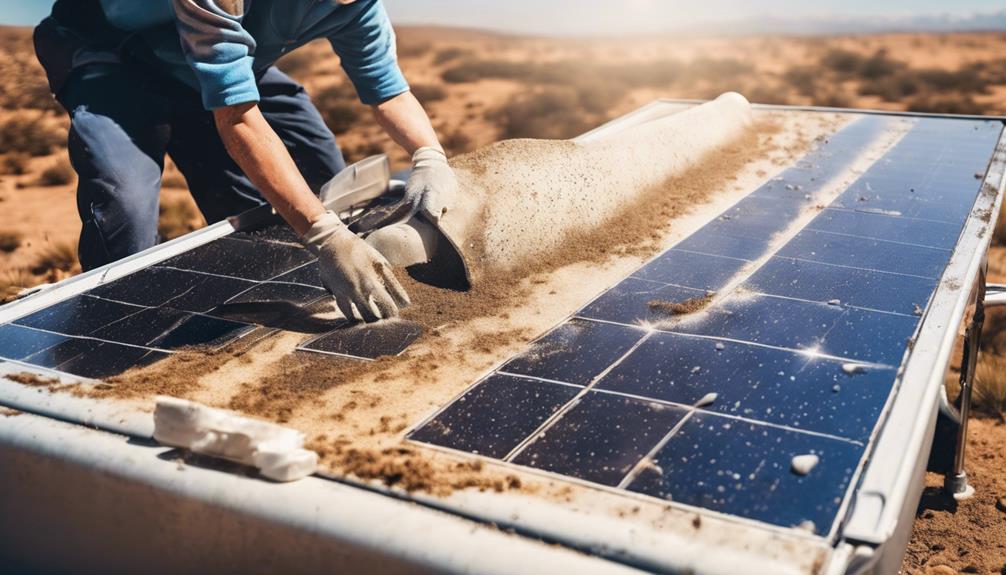
For maintenance, choose locations that allow safe access for cleaning and inspections. Panels are low maintenance but may need occasional cleaning in dusty climates or inspections after severe weather. If you live in an area with heavy snow, tilt and location should allow snow to slide off or be cleared easily to restore generation quickly.
Finally, document the placement decision and installation details for future homeowners. Roof penetrations, racking type and electrical schematics should be recorded so future roofers or buyers understand how the system is integrated with the home.
Choosing the best location for solar panels involves balancing sunlight exposure, structural suitability, aesthetics and local rules. Whether you opt for south facing solar panels on the roof, a ground-mounted array, or a creative carport solution, a site-specific assessment will help you find the optimal placement that maximizes performance and savings. With careful planning and the right installer, you can place solar panels where they generate the most value for your home over decades to come.