A 6000 watt solar system is a popular residential choice for homeowners who want meaningful energy independence without moving to a full commercial-scale array. Often called a 6kw solar system, this size typically covers most of a medium to large household’s electricity needs in areas with good sun exposure. This article explains what goes into a 6000 watt solar system, how much space and cost to expect, options for battery integration, and practical use cases so you can decide if a 6kW setup fits your home and budget.
Why choose a 6000 watt solar system for your home
Choosing a 6000 watt solar system strikes a balance between cost, rooftop requirements, and energy production. For many households that use between 20 and 35 kilowatt hours per day, a 6kW system can generate enough energy to offset a large portion of monthly bills. It is large enough to run high-draw appliances such as HVAC systems, electric water heaters, and EV chargers during the day while still remaining manageable in terms of roof area and installation complexity. In regions with four to five peak sun hours daily, a 6000 watt solar panel array will typically deliver roughly 24 to 30 kilowatt hours per day, reducing grid dependence and lowering utility expenses.
Components and design of a 6kW solar system
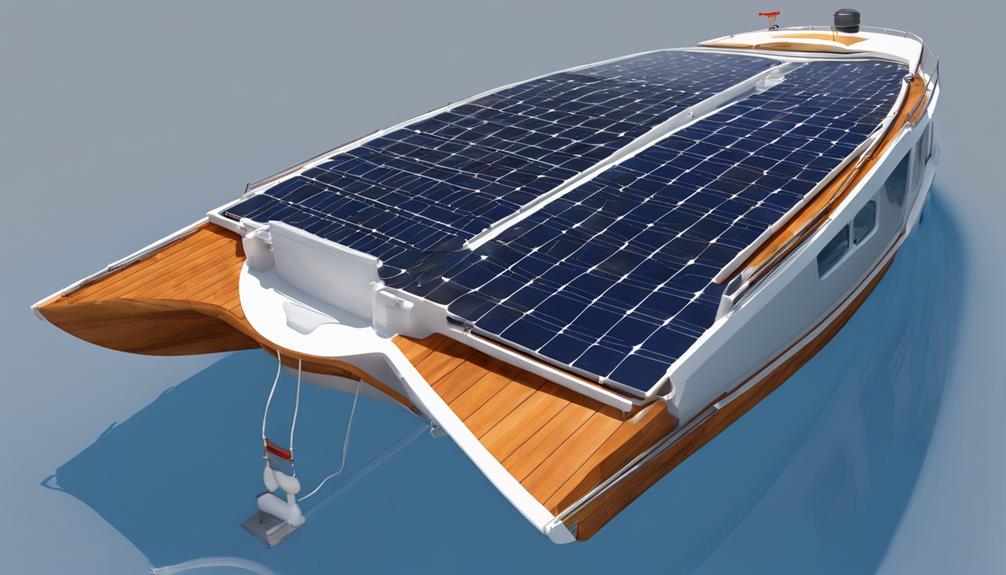
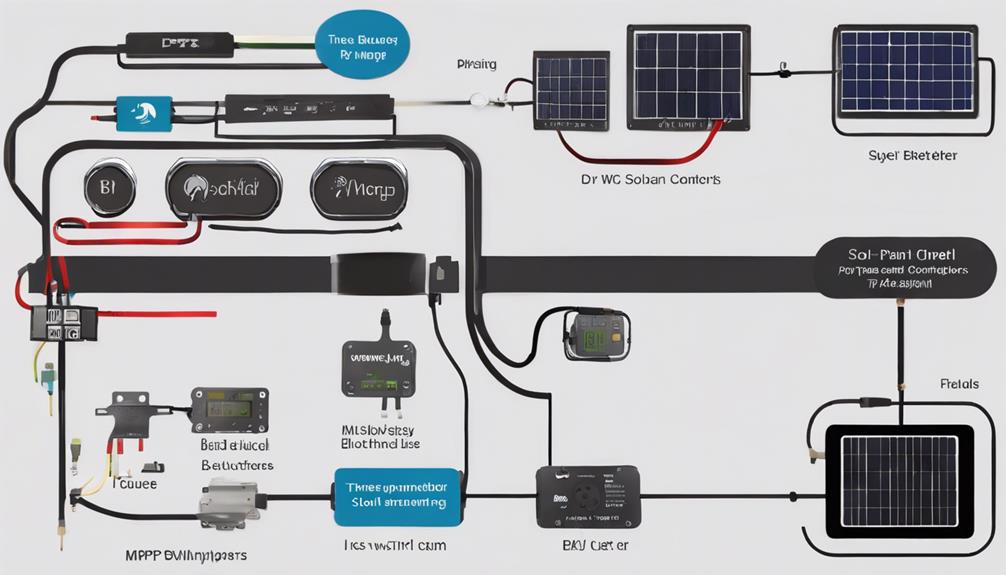
A typical 6000w solar panel installation includes solar panels, inverters, racking, wiring, and monitoring hardware. The number of panels depends on per-panel wattage: for example, with 350 to 400 watt modules you will need about 15 to 18 panels to reach approximately 6000 watts. Modern high-efficiency panels reduce roof space needs, while string or microinverters determine how the system handles shade and panel mismatch. The inverter size is usually matched to the array, and some homeowners choose slightly oversized inverters for flexibility. Proper orientation and tilt, along with shading analysis, are essential design steps to ensure a 6000 watt solar panel array performs as expected over its lifetime.
Battery integration and backup options
Many homeowners pair a 6kW solar system with battery storage to maximize self-consumption and provide backup during outages. A solar panel 6000w battery home configuration typically uses a battery bank sized to cover evening and nighttime consumption. For example, adding a 10 to 15 kilowatt hour battery to a 6kW array can store daytime excess production for later use and provide several hours of backup power. Grid-tied systems with batteries allow for time-of-use optimization and greater resilience, while true off-grid setups require larger battery capacity and a careful load analysis. Battery chemistry, depth of discharge, and round-trip efficiency all affect how well a battery complements a 6000 watt solar panel array.
Roof space, placement and practical considerations
Space requirements for a 6000 watt solar panel system depend on panel efficiency. Using 350 to 400 watt modules, expect to need roughly 250 to 350 square feet of clear, unshaded roof area, often across multiple roof faces. South-facing slopes in the northern hemisphere generally yield the best year-round output, but east or west orientations can work with slightly reduced production. Roof condition matters: older roofs should be repaired or replaced before installation to avoid removing and reinstalling panels later. Additionally, local permitting, HOA rules, and fire code access pathways need to be considered during site planning for a 6kW residential installation.
Costs, incentives and payback estimates
The installed cost of a 6kW solar system varies by region, installer, and equipment quality. As a broad estimate, a 6000 watt solar system can range from mid five figures to low six figures before incentives, with many homeowners seeing significant reductions from federal, state, and local incentives. Tax credits and rebates can shorten the payback period considerably. A typical payback estimate assumes average production, current utility rates, and available incentives; in many areas homeowners see a return in seven to twelve years, after which energy produced is effectively free aside from minor maintenance and inverter replacement costs. Incorporating a battery will increase upfront costs but can improve value when time-of-use rates or frequent outages are factors.
Performance, maintenance and long-term outlook
Once installed, a 6000 watt solar system requires minimal maintenance. Annual or biannual inspections, periodic cleaning in dusty regions, and monitoring for inverter alerts are the main upkeep items. Panels typically come with 25-year performance warranties and can last 30 years or more with gradual degradation. Inverter warranties are shorter, so planning for replacement at the 10 to 15 year mark is prudent. For homeowners considering future electric vehicles or additional loads, a 6kW system offers a scalable foundation—additional panels or batteries can be added later to meet changing needs.
In summary, a 6000 watt solar system is a practical residential option that provides substantial energy production for many households. It balances footprint, cost, and performance while offering flexible integration with batteries for backup and energy shifting. By assessing your household consumption, roof characteristics, and local incentives, you can determine whether a 6kW solar system is the right step toward lowering bills, increasing energy independence, and reducing your home’s carbon footprint.