Recreational vehicle batteries are central to modern RV life, supplying power for lighting, appliances, heating, and off-grid comforts. As solar panels and portable inverters become more common on campsites and driveways, understanding the types, charging strategies, and maintenance needs of RV batteries is essential. This article explains how recreational vehicle batteries work, how they integrate with home solar battery storage strategies, and practical guidance for choosing and maintaining a reliable house battery RV setup.
Understanding the main types of recreational vehicle batteries
Not all recreational vehicle batteries are created equal. The most common chemistries are flooded lead acid, sealed AGM, gel, and lithium iron phosphate (LiFePO4). Flooded lead acid batteries are economical and robust but require regular water checks and ventilation. AGM (absorbent glass mat) and gel batteries are maintenance free and resist vibration, making them popular in RV installations. LiFePO4 batteries have become the preferred option for many RV owners because they deliver higher usable capacity, lower weight, and a much longer cycle life. The tradeoffs include higher upfront cost and, for lithium systems, the need for compatible chargers and battery management systems to protect against overcharge and deep discharge.
How RV batteries integrate with solar systems
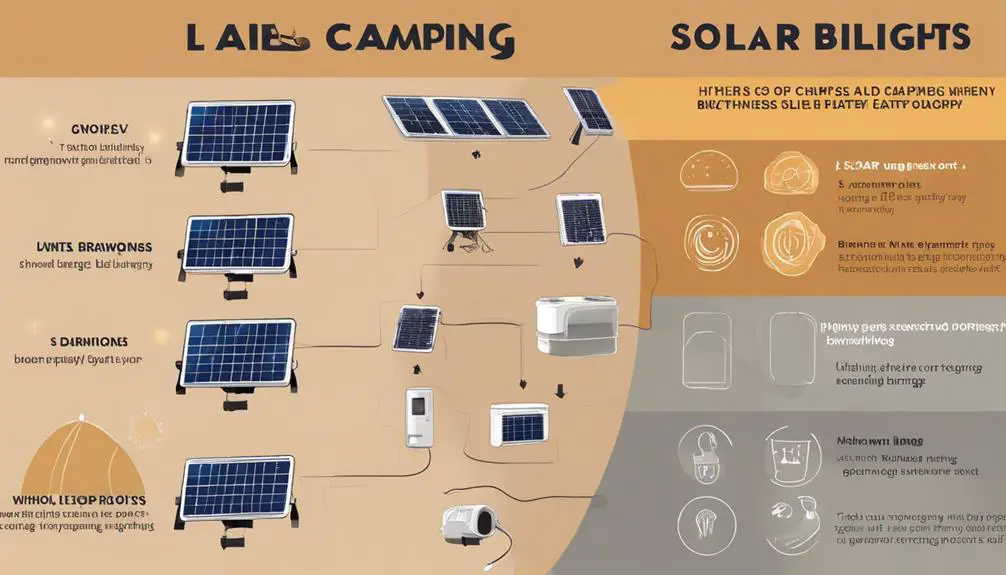
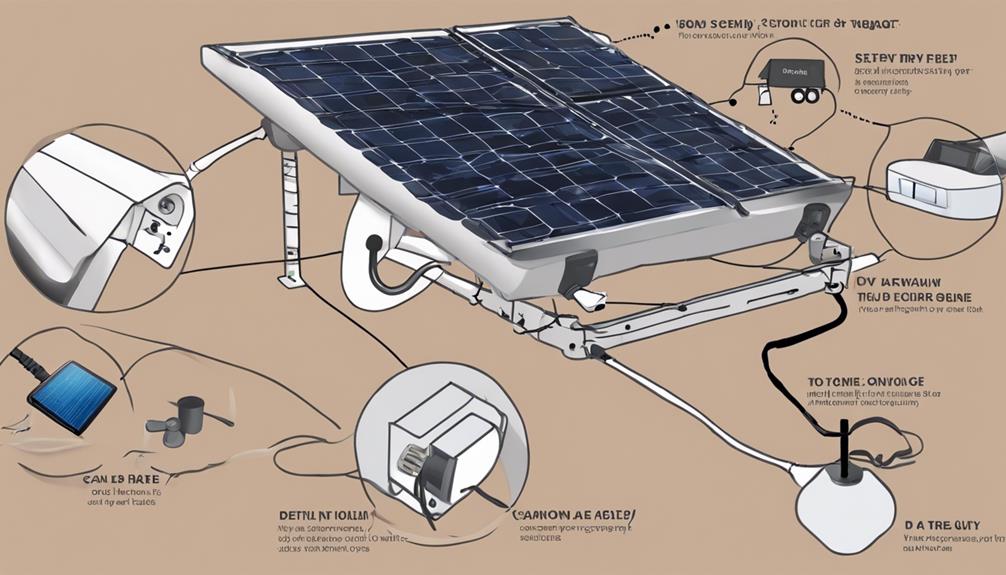
One of the most powerful combinations for off-grid and extended boondocking trips is pairing recreational vehicle batteries with a dedicated solar array and charge controller. Solar panels convert sunlight into DC power that a charge controller conditions for safe charging of the battery bank. For older lead acid systems, proper charge profiles and occasional equalization can extend battery life. For LiFePO4 systems, a solar charge controller that supports lithium charge settings is strongly recommended. Many RV setups now mirror home solar battery storage practices: using a battery bank to store daytime solar energy for nighttime loads, implementing battery monitoring to avoid damaging deep discharge, and designing a system that matches daily energy consumption to battery capacity and solar production.
Selecting the right capacity and configuration for a house battery RV
Choosing the right capacity requires estimating daily energy use—lighting, refrigerator, water pump, heater, and any electronics—and then selecting a battery bank sized to provide enough usable amp-hours without overly stressing the batteries. For lead acid batteries, recommended usable depth of discharge is typically 50 percent, whereas LiFePO4 batteries can safely use 80 to 90 percent of their rated capacity. That difference means a smaller LiFePO4 system can often replace a much larger lead acid bank. A house battery RV configuration also needs careful consideration of series and parallel wiring. Series wiring raises voltage for efficient inverter operation, while parallel increases amp-hour capacity. Balance, proper fusing, and a high-quality battery management system are crucial for safety and longevity.
Practical use cases: boondocking, emergency backup, and home integration
Recreational vehicle batteries support several practical applications beyond weekend camping. For boondocking, a well-sized solar-charged battery bank enables multi-day autonomy without shore power, powering refrigerators, lights, and communication devices. As an emergency backup, an RV with a robust battery bank and inverter can supply critical loads during a grid outage, similar to small home solar battery storage systems. Some owners take the next step by integrating their house battery RV into a broader tiny home or off-grid cabin setup, using the RV battery bank as portable storage that can be moved between the vehicle and a stationary energy system. This flexibility mirrors the growing trend of modular home solar battery storage where batteries can serve multiple roles depending on need.
Maintenance, safety, and lifespan considerations
Maintenance needs vary by battery chemistry. Flooded lead acid batteries require water top-ups and periodic equalization charging to prevent sulfation. Sealed batteries like AGM and gel are lower maintenance but still benefit from correct charging voltages and avoiding prolonged deep discharge. Lithium batteries require little routine maintenance but depend heavily on an accurate battery management system and temperature-aware charging; cold charging can damage lithium cells, so some installations include battery heaters or temperature sensors. Regular battery monitoring—voltage, state of charge, and charge cycles—helps predict end of life and prevents unexpected failures. Proper mounting, ventilation for flooded cells, fusing, and correct wire sizing are all essential safety measures. When batteries reach end of life, recycling through approved programs prevents environmental harm and recovers valuable materials.
Future trends and making the best choice for your setup
The market for recreational vehicle batteries continues to evolve as battery prices fall and energy-dense chemistries become more accessible. LiFePO4 batteries are increasingly common in new RVs and aftermarket upgrades because of their longer cycle life and compatibility with modern solar charging systems. At the same time, the principles of good battery management from home solar battery storage—proper sizing, intelligent charge control, and careful monitoring—apply just as well to RV installations. For someone weighing options, the best choice balances budget, weight, desired autonomy, and willingness to perform maintenance. For many frequent campers and off-grid travelers, investing in a lithium house battery RV setup paired with solar yields the best long-term value and convenience.
Recreational vehicle batteries are a key component of reliable off-grid power and increasingly mirror home solar battery storage practices. By understanding battery types, charging methods, and maintenance needs, RV owners can design systems that match their travel style and energy needs. Whether you prioritize low maintenance, light weight, or maximum usable capacity, thoughtful selection and installation will ensure your battery bank delivers safe, dependable power for years of adventures and emergency readiness.