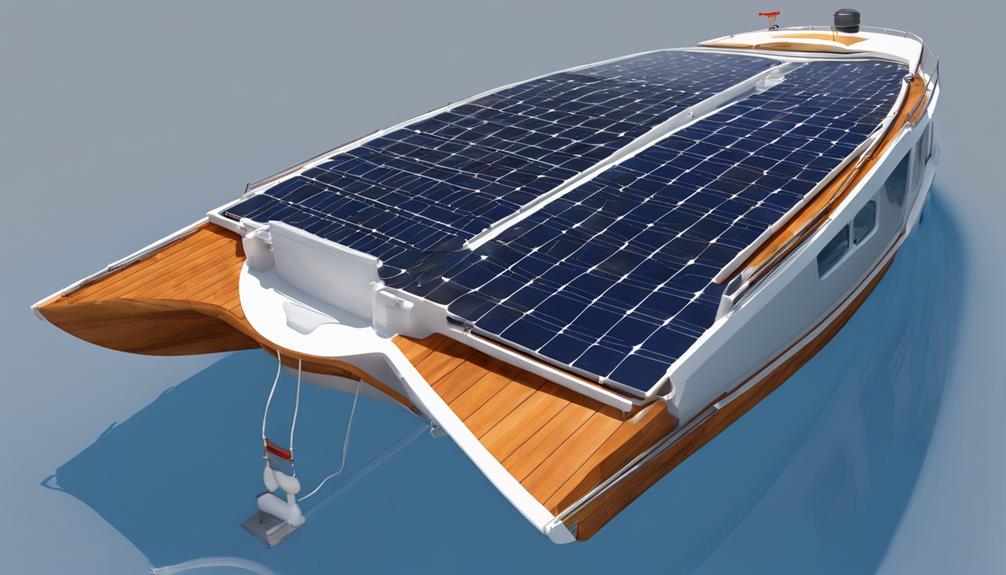
Choosing the right battery for a residential solar system is one of the most important decisions a homeowner can make. A lifetime lithium battery often appears at the top of the list because of its long usable life, high efficiency, and compact size. This article explores what a lifetime lithium battery really means in the context of home solar battery storage, how it performs in real-world use, and practical tips for homeowners who want reliable backup power and cost savings over time. Using lifetime lithium cells can significantly extend energy autonomy for residential solar storage systems.
What is meant by lifetime lithium battery?
The term lifetime lithium battery can be confusing because it is used both as a product marketing term and as a technical description. Technically, lithium batteries are available in several chemistries — lithium iron phosphate (LiFePO4), lithium nickel manganese cobalt oxide (NMC), and others — each with different cycle life, safety profiles, and degradation rates. When manufacturers say lifetime, they usually refer to the expected usable life of the battery under normal operating conditions, often expressed in cycles and years. For home solar battery storage, a lifetime claim typically implies that the battery will retain a significant portion of its capacity for 10 to 15 years or more when used within recommended depth of discharge and temperature ranges.
How lifetime lithium batteries compare to other battery types
Compared to traditional lead acid and other chemistries, lithium batteries generally offer higher energy density, longer cycle life, and lower maintenance. Lithium iron phosphate variants are especially popular for home solar battery storage because they balance safety and longevity. A lead acid battery that lasts three to five years under deep cycling will be outperformed by a lithium battery that can endure thousands of cycles and deliver consistent performance for a decade or longer. This durability is a primary reason homeowners view a lithium setup as a long-term investment in home resilience and energy independence.
Practical use cases in home solar battery storage
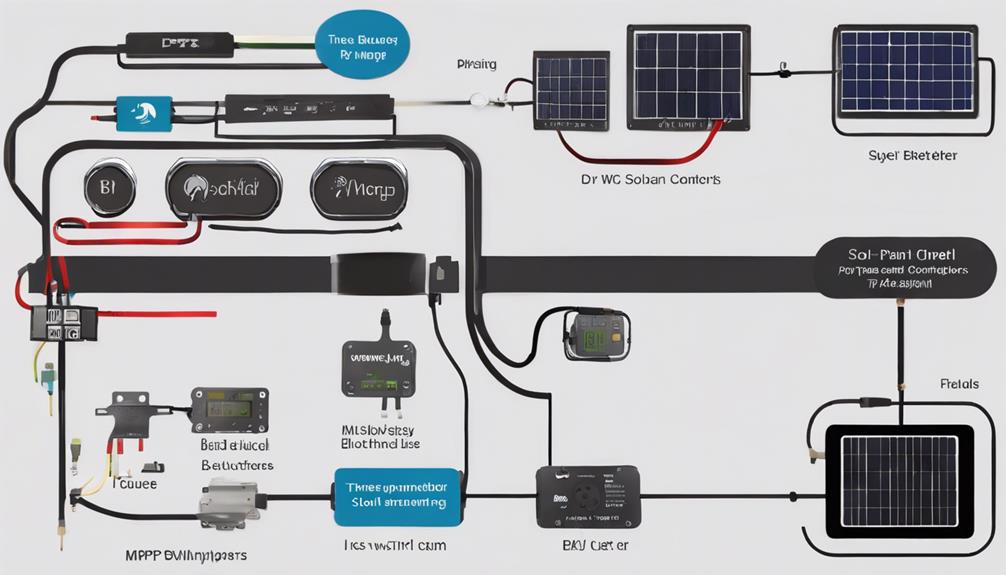
There are several practical scenarios where a lifetime lithium battery shines. For grid-tied homes with time-of-use electricity rates, batteries can store solar generation during the day and discharge during peak price periods, a concept sometimes called a time battery because it shifts energy usage across hours to reduce costs. For homeowners in areas prone to power outages, a lithium battery provides reliable backup power for critical loads like refrigeration, medical devices, and home security systems. Off-grid households can pair lithium batteries with appropriately sized inverters and charge controllers to run entire homes for extended periods. In each case, the lifetime performance and predictable degradation of the battery are crucial for planning and ROI calculations.
Factors that determine battery lifetime in real homes
Several real-world factors affect how long a lithium battery lasts. Depth of discharge is one of the most important: shallower cycling generally increases cycle life. Temperature management is also critical; batteries exposed to extreme heat will degrade faster, so good ventilation or climate-controlled enclosures improve longevity. Charge and discharge rates matter as well—high-power draw and rapid charging can stress the cells. Finally, the battery management system, which controls balancing, state of charge limits, and safety cutoffs, plays a major role in ensuring that the battery reaches its expected lifetime. Compare our roundup of affordable power banks that use long lasting lithium cells for reliable daily charging.
Cost, warranties, and calculating value over time
Upfront cost is often the first concern for homeowners, and lifetime lithium batteries typically come with a higher initial price than lead acid alternatives. However, when you factor in longer usable life, higher round-trip efficiency, reduced maintenance, and lower replacement frequency, the levelized cost of storage can be significantly lower. Warranties on reputable products commonly cover 10 years or a specified number of cycles, and many manufacturers include performance retention guarantees. When calculating your return on investment, consider not only energy savings through time battery strategies but also avoided costs of generator fuel, outage-related losses, and future battery replacements.
Installation, maintenance, and end of life considerations
Installing a lithium battery for home solar battery storage should be done by a qualified installer who can size the system to your load profile and local regulations. Maintenance requirements are minimal compared to older battery types, but periodic system checks and software updates for the battery management system are recommended. At end of life, lithium batteries can still have second-life uses, such as stationary storage for less demanding applications, and recycling infrastructure is improving. Plan for battery removal and recycling as part of the system lifecycle to ensure environmental responsibility.
Lifetime lithium battery technology offers a compelling mix of performance, durability, and flexibility for homeowners looking to maximize the value of their solar installations. Understanding the real meaning of lifetime claims, matching the battery to your use case, and following best practices for installation and operation will help you get the most out of your home solar battery storage investment. Whether your priority is cutting energy bills with a time battery strategy or securing reliable backup power, a well-chosen lithium system can be the backbone of a resilient, efficient home energy setup.