Choosing the best solar powered portable generator can transform how you power outdoor adventures, respond to emergencies, or supplement home solar battery storage. Advances in lithium batteries, efficient MPPT charge controllers, and integrated inverters mean portable solar generators now offer reliable, quiet power without the fuel and maintenance of gas alternatives. This article walks through why solar portable power makes sense, which features matter most, typical use cases, and how to compare options by capacity and price so you can find the right unit for your needs.
Why pick a solar powered portable generator
Solar powered portable generators are attractive because they provide emissions-free energy, silent operation, and low ongoing costs once the system is installed. For homeowners exploring home solar battery storage, a solar charging portable power station can serve as a mobile backup or be a testbed before investing in a whole-house battery. Compared to gas generators, solar units need less maintenance and are safer for indoor or semi-enclosed use. They also scale: small solar power generators are ideal for phone charging and LED lights, while larger units can run refrigerators, medical equipment, and power tools during outages.
Key features to look for when choosing the best solar powered portable generator
Start by evaluating battery capacity measured in watt-hours and continuous output in watts. Battery capacity determines how long a device can run, while output dictates which appliances you can connect. If you need to operate high-demand devices, look for units that advertise a continuous output rating and surge capacity; a best 3000 watt solar generator is designed for heavier loads like multiple appliances or power tools. For standard home backup and RV use, many buyers target 1000 to 2000 watt continuous output models.
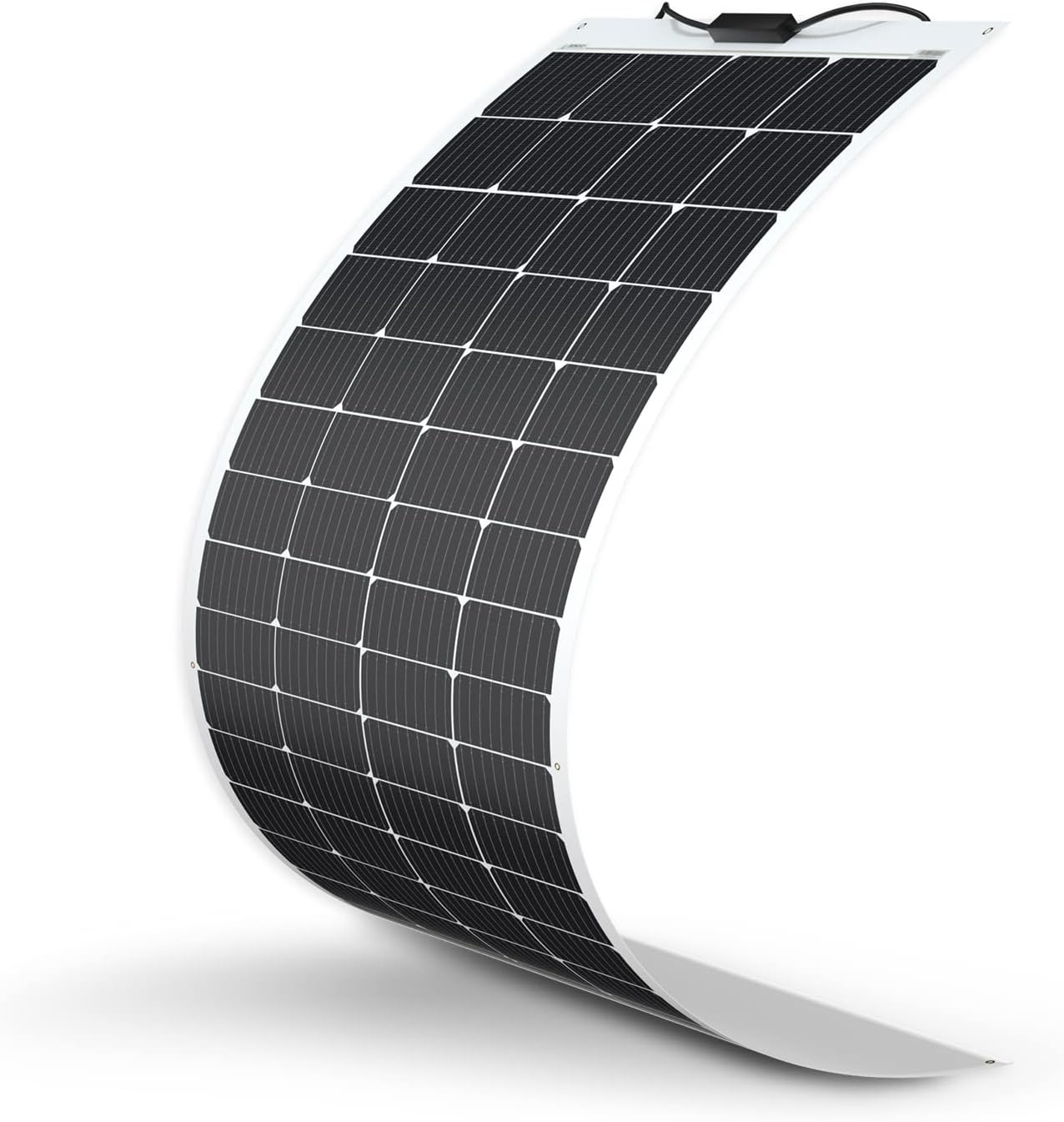
Inverter type matters: a pure sine wave inverter provides clean power that is safe for sensitive electronics. Also check the available outlets and whether the unit supports 220v solar generator output if you need to run appliances that require higher voltage. Charging options are another consideration: modern units support solar input, AC charging, and car charging. Efficient MPPT solar input improves charging speed, making your panels more effective in varied sunlight. Portability and build quality are practical features—look for comfortable handles, durable cases, and modular expandability if you may add extra battery packs later.
Practical use cases: camping, emergencies, and daily support
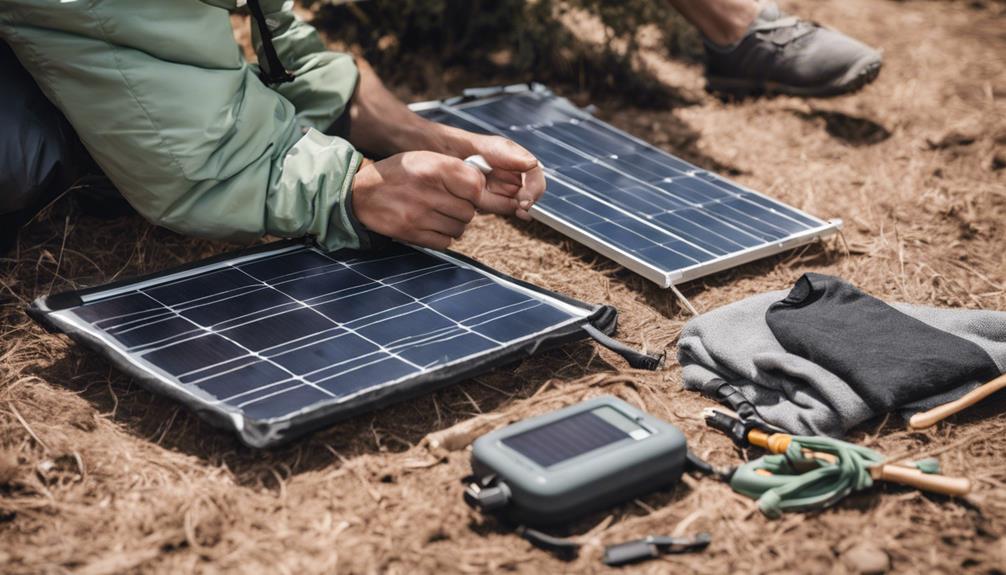
For outdoor enthusiasts, a camping portable solar power setup provides all the essentials: lights, phone and camera charging, small fridge operation, and cooking appliances. Small solar power generator models are highly portable for weekend trips and can be paired with foldable panels for fast setup. For emergency preparedness, a mid-size generator can keep refrigerators, sump pumps, medical devices, and communication gear running for critical hours or days depending on battery size and available solar input.
In a home setting, a portable solar generator can supplement existing home solar battery storage by powering critical circuits during outages or serving as a mobile power source for landscaping tools and events. For off-grid cabins and construction sites, units with higher wattage and long runtime provide practical alternatives to noisy fuel generators. The biggest solar generator units approach whole-house backup capability, but they require more panels and careful planning to integrate with home systems safely.
Comparing solar generator price and top rated options
Solar generator price varies widely based on capacity, brand, and included features. Entry-level, small solar power generators can start under a few hundred dollars, suitable for phones and lights. Mid-range units that offer multi-day backup capability and higher output sit in the $800 to $2,500 range. High-capacity systems and modular setups that approach whole-house functionality can exceed several thousand dollars. When comparing models, don’t focus solely on sticker price: consider cost per watt-hour and how many charging cycles the battery is rated for to understand long-term value.
Top solar generators and top rated solar generators typically combine strong warranty support, high cycle life, and real-world performance that matches manufacturer claims. Look for independent reviews and tests showing how a unit performs under load and how quickly it recharges from solar panels. If you’re seeking the best deals on solar generators, pay attention to package offers that include panels or additional batteries, seasonal sales, and manufacturer-refurbished options that come with warranties.
Integrating a portable solar generator with home solar battery storage
Using a portable solar generator alongside an installed home solar battery storage system can enhance resilience. Portable units are convenient for powering essential loads in a specific area of the home or for use off-site, while dedicated home batteries manage whole-home energy storage and grid interactions. To integrate them, ensure compatible voltage and transfer mechanisms—some portable units can be connected to critical load panels through a transfer switch, but professional installation is recommended when interfacing with house wiring. A solar charging portable power station can also be a temporary bridge during battery maintenance or upgrades.
If your concerns are about maximum output, models marketed as the best solar generator on the market or the biggest solar generator are worth evaluating for their aggregated battery capacity and inverter size. However, true whole-home backup often requires a coordinated system designed with your electrician and solar contractor to match panel array size, battery chemistry, inverter capacity, and local electrical codes.
Choosing the best solar powered portable generator depends on the balance you need between portability, output, and budget. Small portable units excel for camping and daily convenience, mid-range systems provide solid emergency backup and RV use, and larger modular setups can approach whole-house backup when paired with sufficient solar panels. Carefully compare battery capacity, continuous and surge wattage (including 220 volt capability if needed), charging options, and warranty support to find a unit that fits your lifestyle. With proper sizing and installation, a solar generator is a quiet, low-maintenance step toward energy independence and a useful complement to home solar battery storage.