Correction: a 2007 handset, not a modern launch
If you see headlines about a “solar phone” tied to Hi‑Tech Wealth, they refer to a clamshell handset introduced in China in 2007, not a brand‑new mainstream smartphone. That device—commonly reported as the S116—was an early commercial experiment in integrating a photovoltaic panel into a mobile phone. It’s best described as a solar‑assisted handset or a phone with an integrated photovoltaic panel rather than a phone that could operate indefinitely from sunlight alone.
What was the Hi‑Tech Wealth S116?
The S116 was announced in 2007 and reported available for retail in China by June of that year. Contemporary coverage described it as a dual‑band GSM clamshell using the 900/1800 MHz bands, with features such as a 1.3‑megapixel camera, color display, removable flash memory support and MP3 playback. Reports put the retail price at roughly $510 at launch.
Component suppliers and production notes from 2007 indicated the S116 used NXP silicon (the Nexperia 5110 platform) and that the handset entered mass production around July 2007, according to company statements at the time. Hi‑Tech Wealth later changed its corporate name to China Mobile Media Technology Inc. in late 2007.
How did its solar charging work?
The S116 incorporated a small photovoltaic panel into the phone’s housing. Hi‑Tech Wealth claimed that about one hour of direct sunlight could provide up to 40 minutes of talk time; other outlets reported lower, conflicting figures such as 20–25 minutes from shorter exposure. Those performance numbers should be treated as manufacturer claims and contemporary reports rather than independently verified benchmarks.
Company materials from 2007 also suggested the panel could draw energy from weaker light sources (indoor lighting or candlelight), but useful charging rates under those conditions were not documented in published tests. In practice, a phone‑sized integrated panel behaves more like a trickle charger or battery extender—supplemental solar charging—than a replacement for wired or wireless wall charging.
Was it really the world’s first?
Contemporary press described the S116 as the “first commercial solar‑powered mobile phone,” terminology that should be read cautiously. There were earlier prototypes and demonstrations of solar on phones (for example, a South Korean handset shown years earlier), so it’s more accurate to say the S116 was one of the first commercially marketed phones to include an integrated photovoltaic panel, and that the company claimed a “first” for commercial sales.
Why integrated solar charging didn’t become standard
- Small collection area: The amount of sunlit surface on a phone is limited, so the panel can only capture a few watts at best in ideal conditions.
- Power demand vs. supply: Rough guidance from technical reviews shows phones typically need on the order of 1–10 watts to charge effectively. Integrated solar modules at phone scale often cannot deliver sustained power to meet modern smartphone needs.
- Variable and weak lighting: Shade, cloud cover, device orientation and indoor lighting dramatically reduce generation. Conversion losses, heat, and battery‑management complexity further reduce practical output.
- Design tradeoffs: Embedding a solar panel competes with other design priorities: battery capacity, waterproofing, antenna placement and aesthetics.
Because of these constraints, mainstream manufacturers moved toward efficiency, larger batteries, faster wired/wireless charging, and system‑level clean energy strategies rather than relying on integrated solar panels.
Where solar charging still makes sense
That said, photovoltaic charging remains useful in particular contexts:
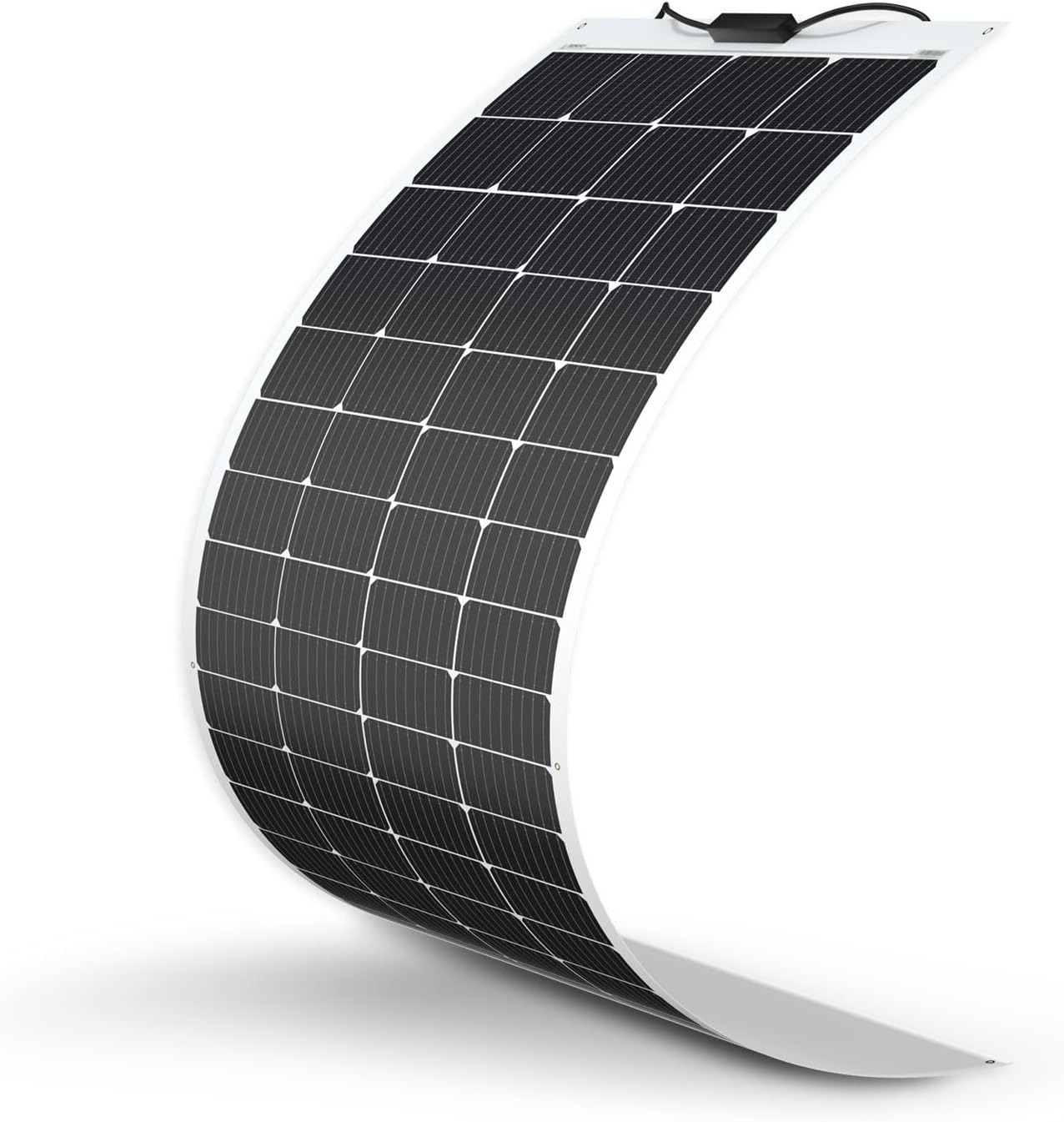
- Off‑grid and low‑infrastructure settings: External solar chargers, solar lanterns with USB ports, or community charging stations can provide reliable phone charging where grid power is limited.
- Emergency and disaster kits: A small solar charging kit or a phone with supplemental solar can offer an extra energy source during outages.
- Outdoor use: Hikers, field workers and remote travelers often prefer robust external solar panels or solar power banks rather than relying on an integrated phone panel.
Organizations such as the GSMA have documented how solar handsets and external solar solutions fit into broader off‑grid charging strategies, where scale and larger panels make a practical difference.
Conclusion
The Hi‑Tech Wealth S116 is an interesting footnote in mobile history: an early commercial attempt to add a photovoltaic panel to a handset. Its makers’ performance claims received wide coverage in 2007, but those claims are best read as manufacturer statements from that period. Technical limits—panel area, variable sunlight, and modern phone power needs—meant integrated solar remained a supplemental approach. Subsequent devices (for example, Samsung’s later solar‑chargeable models) reinforced the idea that solar can extend battery life, but as of August 23, 2026, integrated solar charging has not displaced conventional wired or wireless charging for mainstream smartphones. For meaningful off‑grid charging today, external solar panels and dedicated charging kits continue to be the more practical solution.
Research current through August 23, 2026.