Using a solar panel to charge Tesla vehicles is an appealing idea for drivers who want to reduce fuel costs and lower their carbon footprint. Whether you plan to integrate a rooftop solar array with home battery storage or use a tesla portable solar charger for occasional off-grid trips, understanding how solar energy interacts with EV charging equipment is essential. This article explains practical setups, sizing considerations, portable options, and how home solar battery storage can make charging your Tesla reliable and efficient.
How a solar panel can charge an electric vehicle
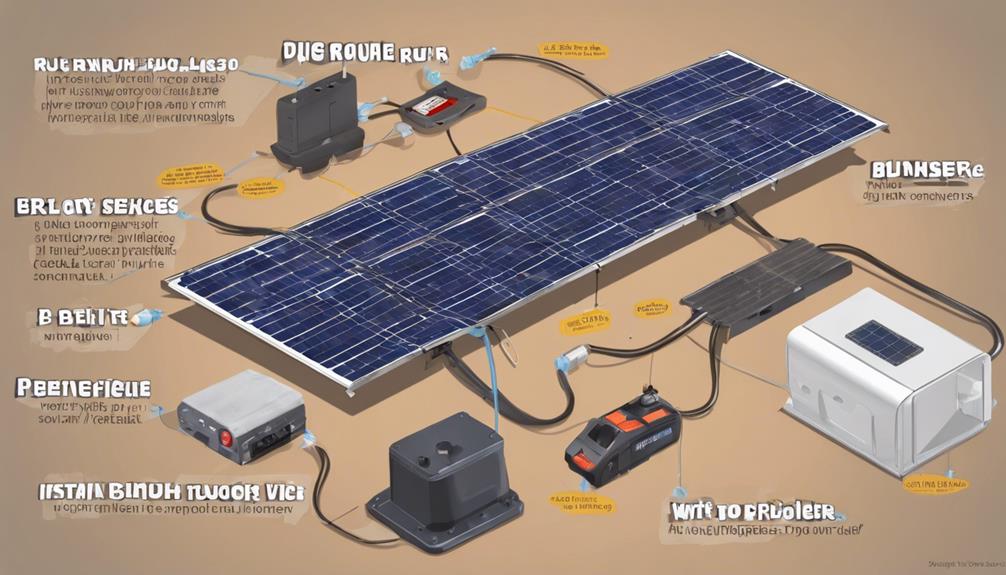
Solar panels produce direct current (DC) electricity, while most electric vehicles, including Tesla cars, are designed to accept alternating current (AC) on-board through their charger, or DC through fast-charging stations. For a simple home setup, solar panels feed an inverter that converts DC to AC, which then powers a standard EV charger such as the Tesla Wall Connector or a Level 2 charger. In many installations, excess solar production can be sent to the grid under net metering or directed to a home battery for later use, allowing you to charge your car at night using stored solar energy.
Home solar battery storage and EV charging
Home solar battery storage is a key component when planning to rely heavily on solar energy to charge a Tesla. Devices like the Tesla Powerwall store surplus solar energy generated during the day and make it available for charging the car when sunlight is not available. This smooths out production variability and can reduce reliance on grid electricity. With a battery, you can set up charging schedules to prioritize solar energy use, for example charging during midday when panels are producing most, or at night using energy stored earlier. Integrating battery storage also provides backup power for the home and can improve overall energy independence.
Sizing a solar system to charge a Tesla
Determining how many solar panels you need depends on your Tesla model, driving habits, local sun exposure, and whether you plan to use battery storage. As a rule of thumb, a Tesla Model 3 consumes roughly 250 to 300 watt-hours per mile. If you drive 30 miles per day, that’s about 7.5 to 9 kWh daily. A typical residential solar panel produces between 250 and 400 watts peak, and daily energy depends on sun hours — often 3 to 6 kWh per panel per day in many regions. To generate 9 kWh per day from solar alone might require three to six panels, but to fully recharge a large battery from empty (for example an 80 kWh pack) in one day would require a much larger array and likely battery buffering. Most homeowners combine rooftop solar with a home battery and grid connection to achieve consistent charging without oversizing the solar array.
Portable solar options: Tesla portable solar charger and portable panels for Tesla
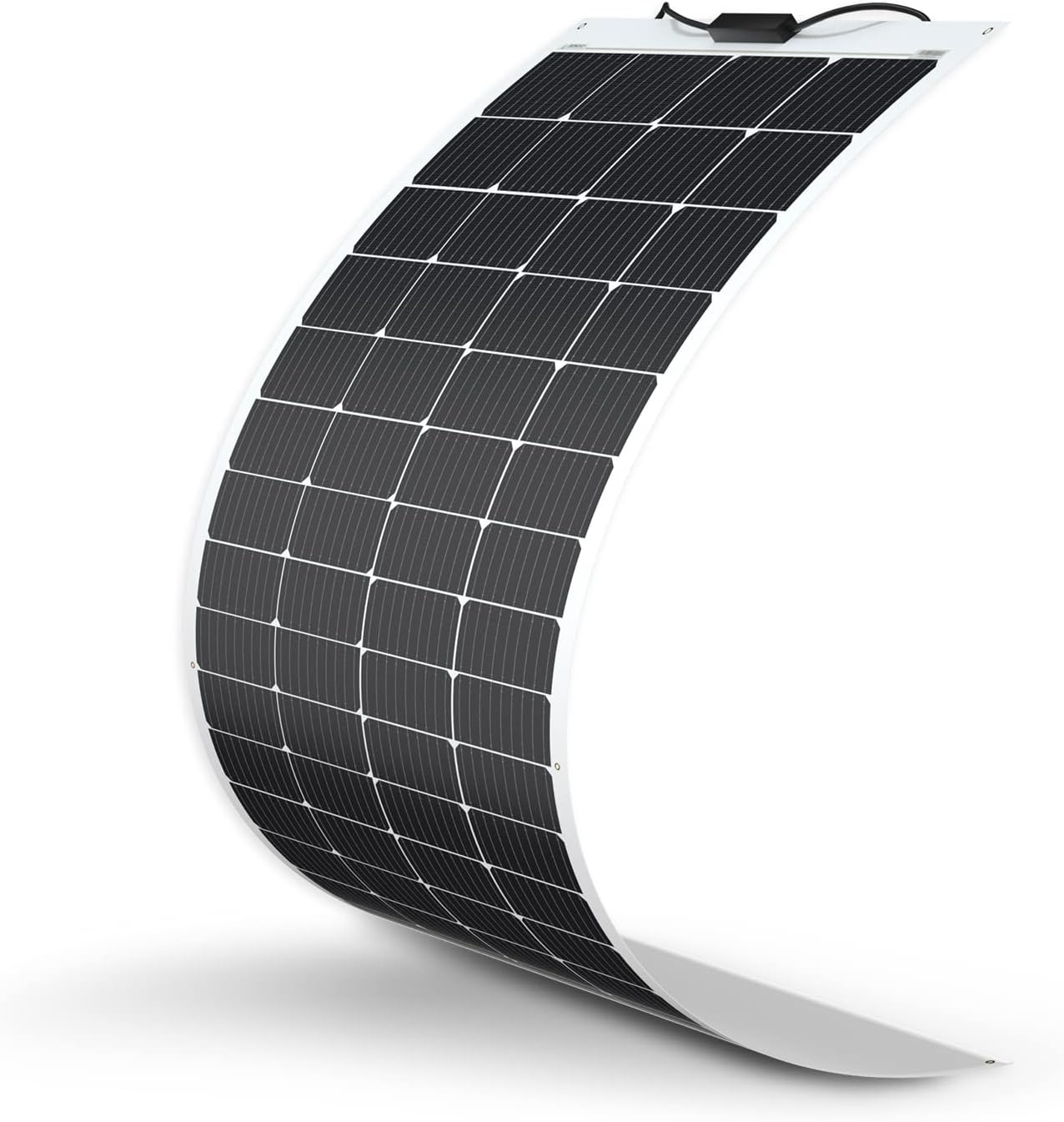
For drivers who want charging flexibility while camping or traveling, portable solar panels for Tesla offer a convenient, though limited, solution. Portable solar panels designed for EV charging are typically foldable arrays paired with an inverter or a solar generator that supplies AC power to the car’s mobile connector. These setups are best used for slow trickle charging or maintaining battery level rather than rapid full charges. A tesla portable solar charger marketed in accessory stores usually consists of several hundred watts of portable panels; expect modest charging speeds and long recharge times compared to home systems. If you need reliable off-grid charging for longer trips, combining portable panels with a high-capacity portable battery (solar generator) increases available power and simplifies connections.
Practical use cases and installation considerations
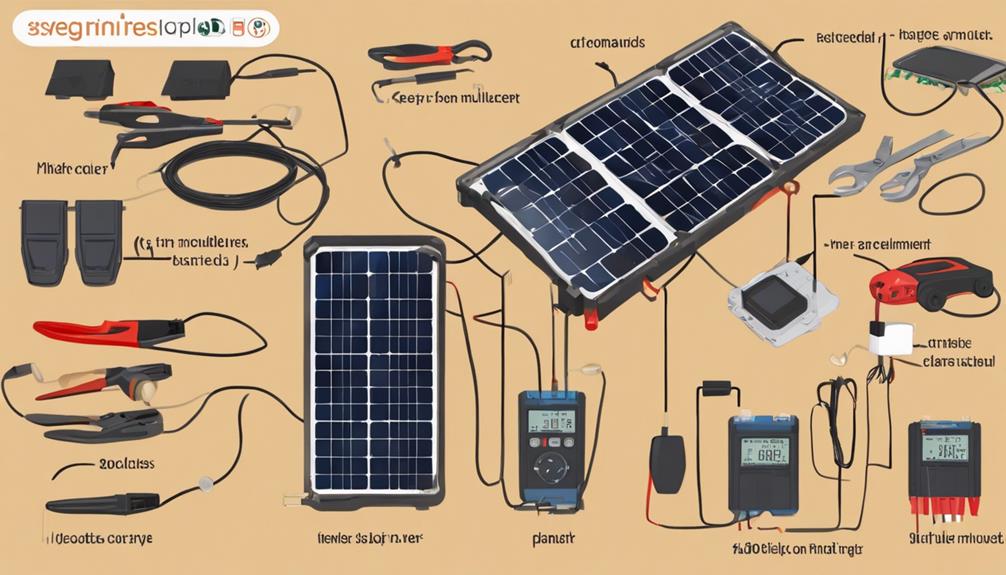
Common real-world setups include rooftop solar paired with a Level 2 charger and home battery, enabling most daily driving to be covered by solar. Another use case is daytime workplace charging where commercial solar arrays feed EV chargers directly. For those with remote cabins or recreational vehicles, portable solar panels for Tesla car top-ups can extend range during travel. When planning an installation, consider local permitting, roof orientation, inverter compatibility, and the need for an EV-specific charger. It’s important to avoid connecting panels directly to a vehicle—solar output must go through proper charge controllers and inverters or into a battery system first. Safety, compatible connectors, and adherence to electrical codes require professional installation by a qualified electrician experienced with both solar PV and EV charging systems.
Costs, savings, and environmental impact
Initial costs for a home solar array large enough to significantly offset EV charging vary widely by region and system size, but many homeowners find payback periods attractive when factoring in gasoline savings and available incentives. Adding a home battery increases upfront cost but improves self-consumption and backup capability. Portable solar chargers and small foldable arrays are inexpensive by comparison but offer limited charging capacity. Beyond economics, charging a Tesla with solar panels reduces greenhouse gas emissions associated with driving, especially compared to fossil-fuel electricity generation. For the greatest environmental benefit, prioritize daytime charging from direct solar output or use battery storage to shift clean energy into evening charging cycles.
Charging a Tesla with solar power is entirely feasible and increasingly practical as solar costs fall and battery technology improves. Whether you choose a rooftop system with a Tesla Wall Connector and a Powerwall or prefer a lightweight portable solar setup for occasional use, integrating solar into your EV charging strategy can cut costs and emissions. Careful system sizing, professional installation, and realistic expectations about charging speeds will ensure the solution works for your driving needs and complements your broader home solar battery storage plan.