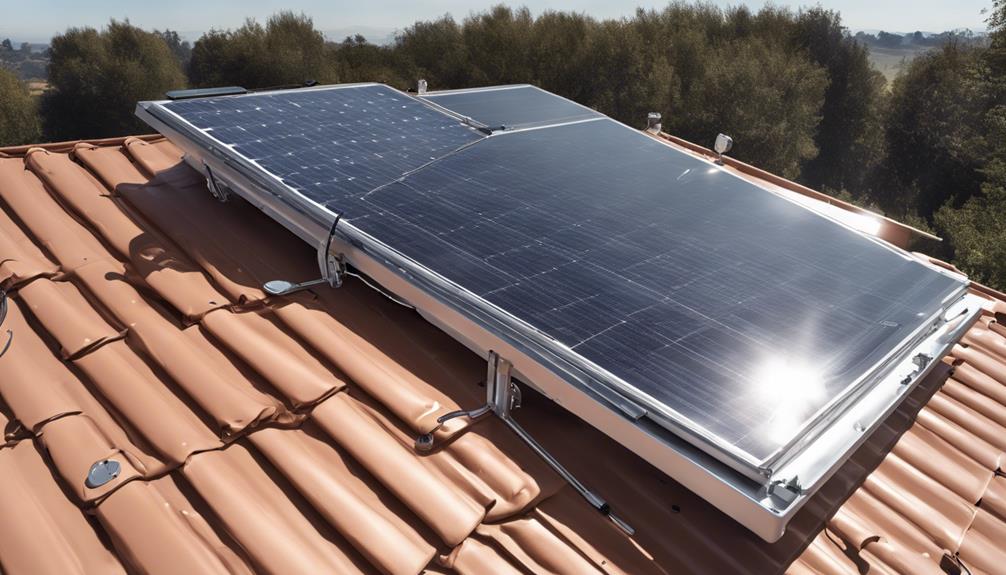
Homeowners increasingly turn to residential energy storage systems to make the most of rooftop solar panels, reduce electricity bills, and gain backup power during outages. As battery technology improves and costs decline, residential energy storage becomes a practical addition to many home energy systems. This article explains how these systems work, practical use cases for home solar battery storage, how to choose the right capacity, and what to expect from installation, maintenance, and incentives.
How residential energy storage systems work
Residential energy storage systems typically pair a battery bank with an inverter and a management system that monitors charge and discharge cycles. During daylight hours, a home solar array can charge the batteries while powering household loads. When the sun sets or grid prices spike, the stored energy is discharged to meet demand. The inverter converts the battery’s DC power to AC power for standard appliances, and the management software optimizes when to charge or discharge based on homeowner preferences, utility rates, or backup needs. Modern systems support smart scheduling, remote monitoring, and seamless grid islanding so the house maintains power during an outage.
Key benefits and practical use cases
Residential energy storage delivers multiple benefits beyond simple backup power. Many homeowners use home solar battery storage to perform load shifting, charging batteries during low-cost off-peak hours or when solar production is high, then consuming stored energy during expensive peak periods. This reduces utility bills and can shield households from time-of-use rate spikes. In regions with frequent outages or extreme weather, residential energy storage provides reliable emergency power for critical appliances like refrigeration, medical equipment, and home security systems. Other practical use cases include supporting electric vehicle charging with stored solar energy, smoothing variable solar output for more consistent self-consumption, and participating in utility demand response programs where available.
Sizing and choosing the right system for your home
Choosing the right residential energy storage system depends on household energy use, goals for backup duration, and budget. Start by reviewing typical daily consumption in kilowatt-hours and identify critical loads you want supported during outages. A modest system sized for a few hours of critical load can power essentials, while a larger system can cover full household consumption overnight. Battery chemistry—lead acid, lithium iron phosphate, or other lithium variants—affects lifespan, depth of discharge, and safety. Inverters rated for both grid-tied and off-grid capabilities add flexibility, and integrated systems designed for home solar battery storage simplify installation. Work with an installer to run load profiles and simulate scenarios so you get a system sized for your needs rather than overpaying for excess capacity.
Installation process, costs, and available incentives
Installation of residential energy storage typically involves site assessment, permitting, electrical upgrades, and system commissioning. Installers evaluate roof solar capacity, existing electrical panels, and whether a whole-house transfer switch or subpanel for critical loads is needed. Costs vary widely depending on battery capacity, chemistry, inverter complexity, and local labor rates. While upfront expense can be substantial, many regions offer financial incentives that improve payback. Federal, state, and local rebates or tax credits often apply specifically to home solar battery storage, and some utilities offer rebates or performance-based incentives. Financing options, leasing plans, and battery-as-a-service models can reduce initial costs, making residential energy storage more accessible to a broader range of homeowners.
Operation, maintenance, and expected lifespan
Residential energy storage systems require relatively low maintenance compared to other home equipment, but routine checks and software updates help ensure reliable operation. Battery systems typically come with monitoring apps that show state of charge, cycle count, and performance metrics, enabling proactive identification of issues. Lifespan depends on battery chemistry and usage patterns: modern lithium-based batteries often carry warranties for 10 years or a specified number of cycles, while expected usable life can range from 8 to 15 years. Proper installation with adequate ventilation, correct charging settings, and protection from extreme temperatures extends service life. End-of-life considerations also include recycling and disposal options; many manufacturers offer take-back programs or facilitate recycling to reduce environmental impact.
Making the decision: factors to weigh
Deciding to add residential energy storage involves evaluating technical, financial, and lifestyle factors. Assess how often you experience outages, the structure of your electric rate plan, and your long-term plans for electrification such as adding an electric vehicle or heat pump. Consider whether you value energy independence and resilience more than immediate cost savings, as the payback period for home solar battery storage can vary. Comparing warranty terms, round-trip efficiency, and system expandability helps ensure the system meets evolving needs. Consulting with a reputable installer and reviewing real-world performance data for the models you’re considering will reduce uncertainty and lead to a solution tailored to your home.
Residential energy storage systems are a versatile tool for homeowners seeking to maximize solar self-consumption, reduce electricity costs, and improve resilience. With careful sizing, selection of appropriate technology, and attention to installation and incentives, home solar battery storage can offer reliable benefits for years. As battery technology continues to advance and programs supporting residential energy storage expand, more homes will find these systems central to a cleaner, more resilient energy future.