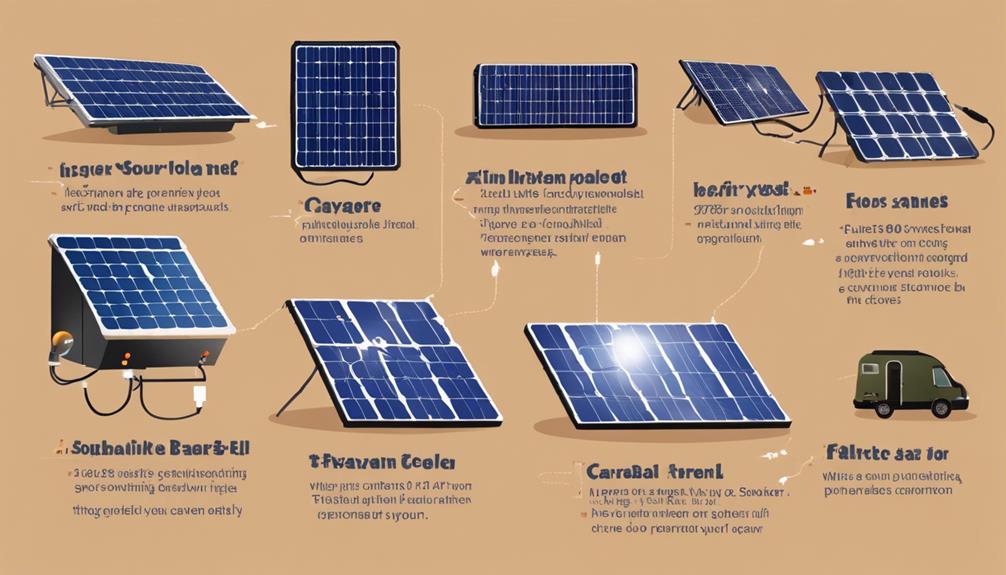
Solar power has moved from a niche technology to a mainstream option for homeowners, businesses, and utilities. People often ask, how does solar panels help the environment? Beyond the obvious benefit of producing clean electricity, solar energy delivers a range of environmental and social advantages that contribute to climate goals, public health, and long-term resource sustainability. This article explores the practical ways solar panels and solar energy systems reduce harms and create value for communities and ecosystems.
How solar panels reduce greenhouse gas emissions
One of the clearest answers to the question how do solar panels help the environment is their role in cutting greenhouse gas emissions. Traditional electricity generation, especially from coal and natural gas, releases significant amounts of carbon dioxide and methane. Solar panels generate electricity without combustion, so they avoid these emissions at the point of use. Over their lifetime, a typical rooftop solar system offsets many times the emissions created during its manufacturing and installation. This makes solar energy one of the most effective technologies for decarbonizing the power sector and addressing climate change.
Reducing air and water pollution with clean electricity
How does solar energy help the environment beyond carbon reductions? By displacing fossil fuel generation, solar reduces air pollutants such as sulfur dioxide, nitrogen oxides, and particulate matter that degrade air quality and harm human health. These pollutants are linked to respiratory and cardiovascular illnesses, so shifting to solar power can improve public health outcomes. Solar systems also use minimal water compared with thermoelectric power plants. In regions experiencing water stress, the lower water footprint of solar energy is a critical environmental benefit, preserving freshwater resources and reducing thermal pollution in aquatic ecosystems.
Conserving natural resources and supporting biodiversity
Solar environmental benefits extend to resource conservation. Producing electricity locally where it’s consumed reduces transmission losses and the need for additional large-scale infrastructure. Rooftop installations make use of existing built environments, while thoughtfully sited ground arrays can coexist with agriculture or act as pollinator-friendly habitat. When planners consider siting and design, solar panels can limit land-use impacts and support biodiversity. The materials used in solar technology are increasingly recyclable, and advances in circular economy practices mean that solar panels sustainability improves over time, further reducing life-cycle environmental impacts.
Practical use cases: homes, businesses, and communities
To answer how can solar panels help the environment in everyday contexts, consider practical use cases. For homeowners, solar panels lower household emissions by replacing grid electricity, and paired with battery storage, they can provide resilient backup power during outages. Businesses can reduce operational carbon footprints, demonstrate corporate sustainability, and earn cost savings on energy bills. At the community level, solar farms and distributed installations can supply clean electricity for schools, hospitals, and municipal services. In rural or remote locations, solar microgrids replace diesel generators, eliminating local pollution and long fuel supply chains.
Economic and sustainability benefits that support environmental goals
Why is solar energy important beyond environmental impact? The economic advantages of solar power reinforce its environmental value. Lower operational costs, predictable energy pricing, and growing incentives make solar an attractive investment. These savings enable further investments in energy efficiency and electrification, which compound environmental benefits by reducing demand for fossil fuels. Additionally, renewable energy growth fosters local job creation in manufacturing, installation, and maintenance—strengthening communities and building support for continued sustainability measures.
How solar power complements other climate solutions
Solar panels are not a silver bullet, but they are a foundational technology in the broader strategy to mitigate climate change. Integrating solar with energy storage, demand response, and grid modernization enhances system reliability and enables higher penetration of renewables. Combining solar deployments with electrification of transport and heating multiplies the environmental benefits, showing how can solar energy help the environment at scale. Thoughtful policy and planning can address intermittency, land use, and material considerations, ensuring that solar’s advantages are maximized while minimizing trade-offs.
Ultimately, when people ask how can solar energy help the environment or why is solar energy good for the environment, the answers are grounded in emissions reductions, improved air and water quality, resource conservation, and economic incentives that promote wider sustainable change. Solar panels offer a practical, scalable route to cleaner energy, healthier communities, and a more resilient grid. As technology and recycling practices advance, the solar environmental benefits will continue to grow, making solar energy green energy that contributes to long-term environmental stewardship and energy savings for households and businesses alike.