More homeowners are researching solar cells for sale as the cost of rooftop installations drops and incentives remain available. Whether you are replacing an older array, buying cells for a DIY project, or comparing full panels to individual cells, understanding the options helps you make a smarter purchase. This article explains what to look for, where to shop, and how residential solar panels can be integrated into everyday home life.
Understanding solar cells and how they differ from panels
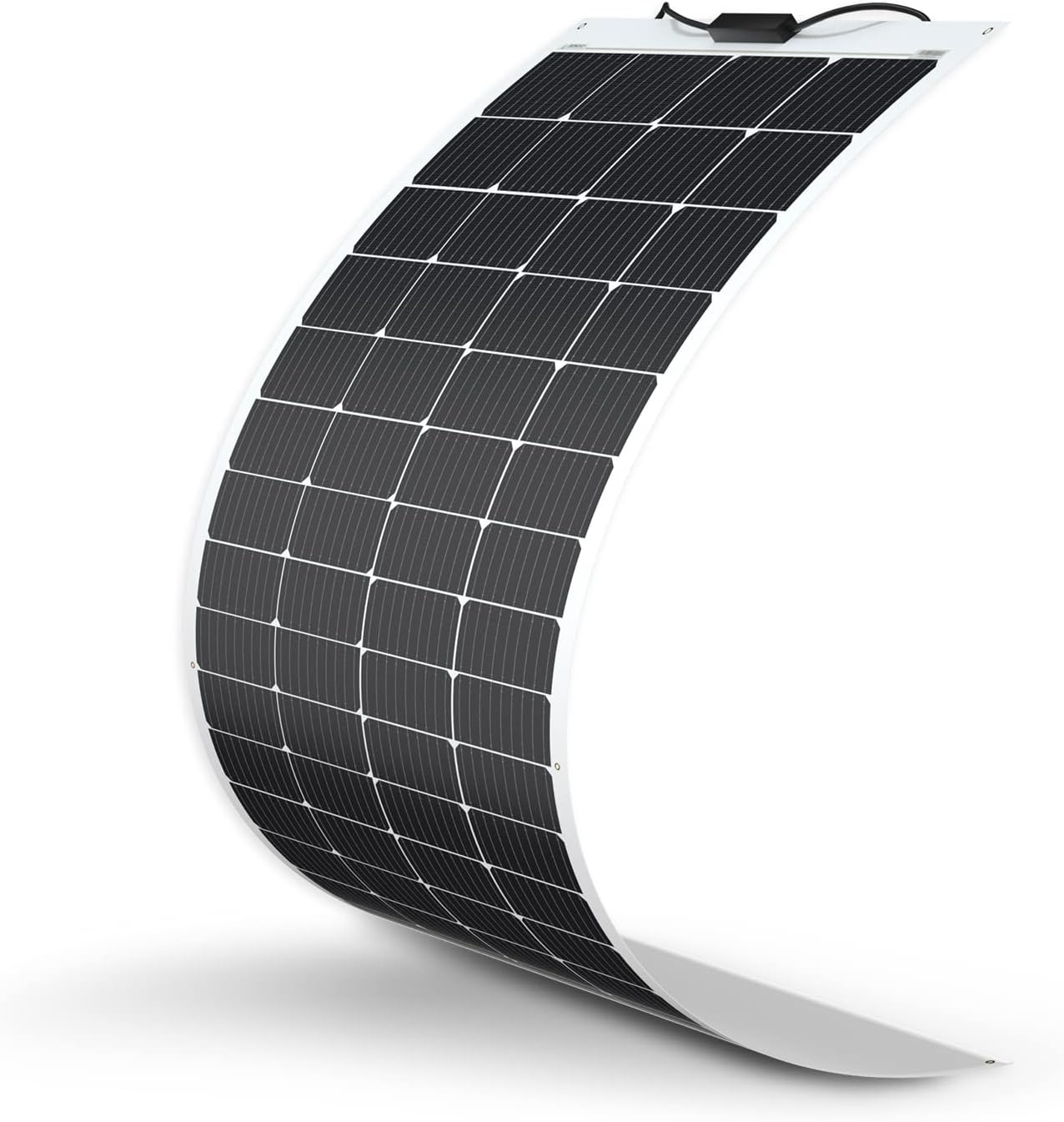
Solar cells are the fundamental building blocks of a solar panel. A single photovoltaic cell converts sunlight into electricity, while a panel groups many cells together inside a protective frame, glass, and backsheet to produce usable power. Homeowners often search for solar panel cells for sale when they want to repair damaged modules or assemble custom panels for small projects. Buying individual cells can reduce upfront cost for experimental or backup installations, but it usually requires greater electrical and weatherproofing know-how compared with purchasing finished panels.
Where to find solar cells for sale and understanding panel sales channels
There are multiple channels for panel sales: big-box retailers and certified solar distributors sell complete residential systems and individual panels, while electronic and specialty suppliers offer individual cells and components. For large-scale buyers, such as communities planning microgrids or developers building commercial rooftops, there are wholesale options and listings for solar farm panels for sale that are designed for high-volume, utility-scale use. Homeowners should evaluate whether they want retail support and warranties found in consumer panel sales, or lower-cost cells that require assembly but may offer flexibility for DIY projects.
Key buying considerations for homeowners
When comparing products, consider efficiency, form factor, certifications, and warranty. Module efficiency determines how much roof area is needed to reach your energy goals. High-efficiency cells may cost more initially but can yield greater output in limited space. Certifications such as UL, IEC and local grid-interconnection standards protect your investment by ensuring safety and longevity. Warranty terms vary significantly between manufacturers; finished panel warranties commonly include a performance guarantee for 25 years, whereas raw cells may have limited or no direct warranty once sold separately. Also check compatibility with inverters and mounting hardware so panels or cells integrate smoothly into your existing or planned residential solar panels system.
Practical residential use cases for purchased cells and panels
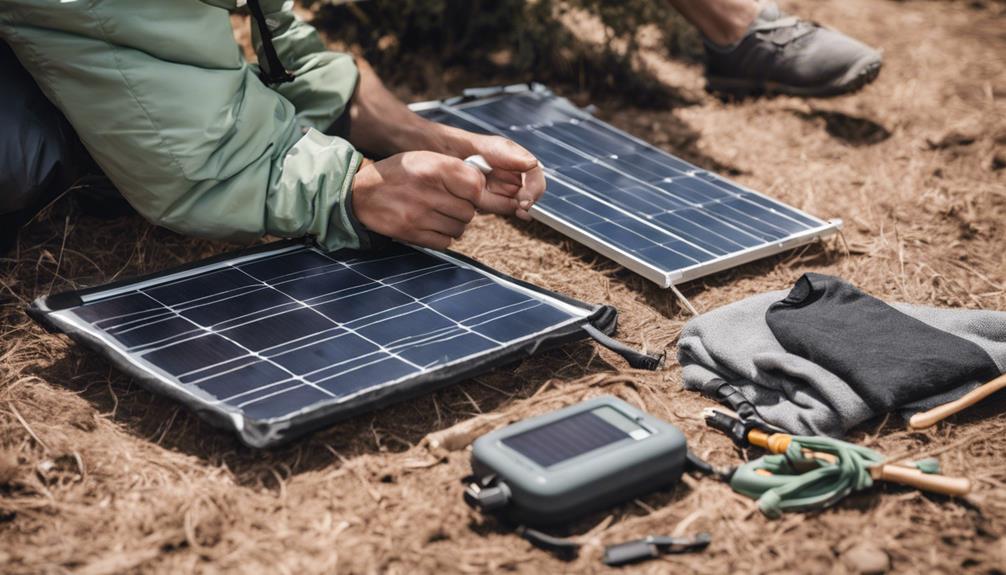
Residential buyers purchase solar cells and panels for several practical purposes. The most common is full-roof installations that replace a portion of utility electricity and reduce monthly bills. Homeowners with larger properties sometimes use panels for dedicated loads such as pool pumps, electric vehicle chargers, or water heating to maximize onsite solar consumption. For small-scale or off-grid situations, individuals buy cells to build battery-charging arrays for cabins, sheds, or RVs. DIY enthusiasts often source solar panel cells for sale to assemble portable solar chargers and specialty installations like pergola-mounted arrays or integrated carports. Even when a household is not entirely off-grid, combining panels with a battery storage system can provide resilience during outages and contribute to home security by keeping essential systems running.
Installation, maintenance and how warranties affect long-term value
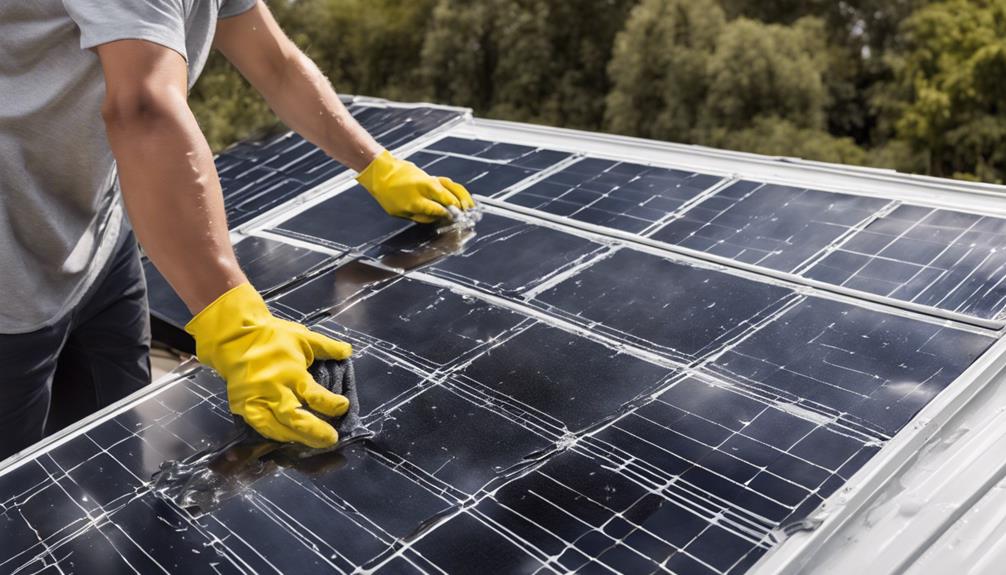
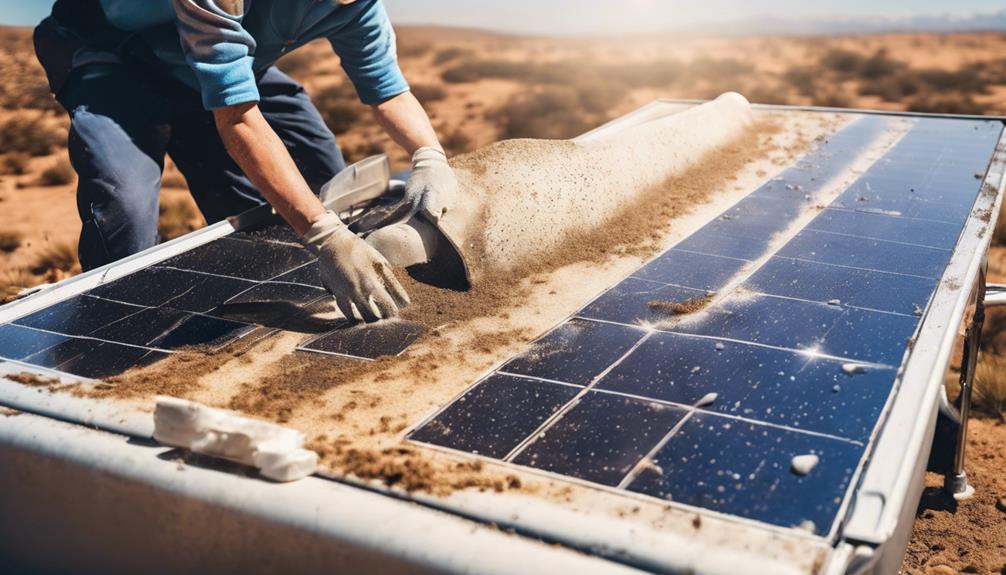
Proper installation is critical to long-term performance. Certified installers ensure correct electrical connections, roof integrity, and compliance with local codes, which preserves manufacturer warranties and helps avoid costly damage. For homeowners who choose to assemble panels from purchased cells, it is important to use appropriate encapsulation, tempered glass, and robust framing to prevent moisture ingress and microcracks. Regular maintenance for installed residential solar panels includes periodic cleaning in dusty climates, inspection of wiring and fasteners, and monitoring system output for sudden drops that indicate module degradation or inverter issues. When comparing panel sales options, factor in service contracts and installer networks; a slightly higher upfront price with strong local support often yields better outcomes than the cheapest units with no service options.
Balancing cost, performance and sustainability
Cost remains a major deciding factor. While searching for the best deal, weigh the total installed cost rather than the sticker price of cells or panels alone. Incentives such as tax credits and local rebates affect the final cost and sometimes dictate whether you choose a branded panel with long-term warranty or a lower-cost alternative. Additionally, consider the environmental impact of the manufacturing supply chain and end-of-life options. Many reputable manufacturers participate in recycling programs for solar panels and components, and choosing products with established take-back plans helps reduce waste when arrays are eventually replaced.
Choosing the right solar cells for sale requires balancing technical specifications with practical needs. Whether you pursue full rooftop systems, assemble custom panels, or source high-volume solar farm panels for sale, focus on certified products, reliable installers, and warranties that protect your investment. Thoughtful planning ensures residential solar panels deliver dependable energy savings, increased resilience, and long-term value for your home.