Heading into the outdoors often means leaving dependable power behind, but a portable battery charger for camping can change that. Whether you need to keep a phone alive for navigation, power LED lights through the night, or run a small medical device, a compact charger designed for camping keeps essential electronics working off the grid. This article explains how to choose the right unit, how portable power fits into a home solar battery storage strategy, and practical tips for getting the most from a camping portable power bank.
Why a portable battery charger for camping matters
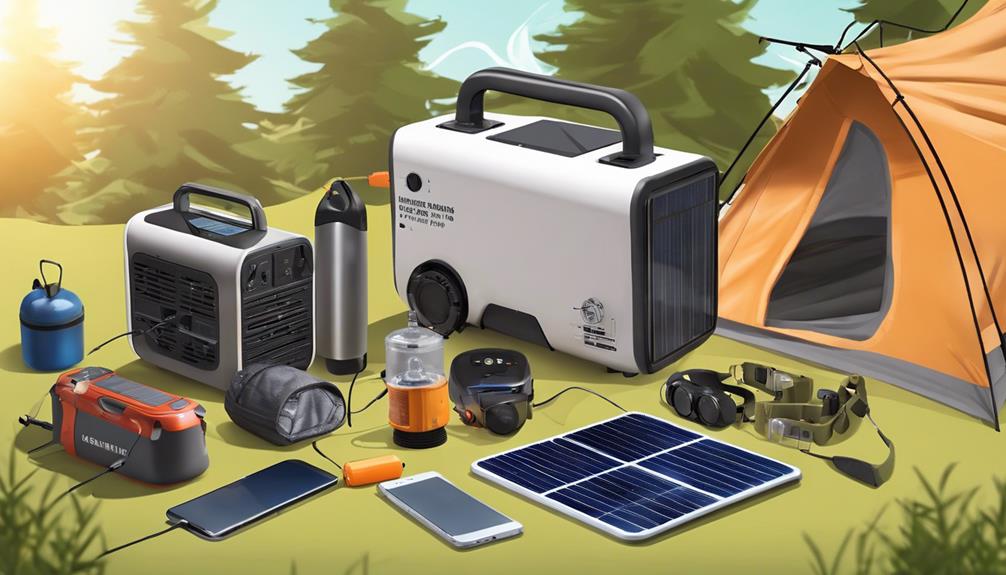
A portable battery charger for camping is more than a convenience; it’s a safety and comfort tool. Modern charging packs provide several hundred to several thousand watt hours of energy in lightweight enclosures, meaning you can charge phones multiple times, run small fans, or recharge headlamps without relying on campground hookups. In remote areas, a reliable charger lets you keep communication and navigation devices active, maintain lighting after dark, and preserve perishable items in a cooler for short periods.
Key features to look for when choosing a camping portable power bank
Selecting the right charger depends on the devices you plan to use and how long you will be away from your home solar battery storage system. Look first at capacity, usually represented in watt hours (Wh) or milliamp hours (mAh). Watt hours give the clearest comparison across devices — for example, a 300 Wh unit can run a 15 W device for roughly 20 hours. Also consider output ports and power types: USB-A and USB-C ports are essential for phones and small devices, while AC outlets and 12 V DC outputs allow larger or older gear to run.
Weight and form factor matter for backpacking versus car camping. Ruggedness, ingress protection ratings, and battery chemistry (lithium iron phosphate versus standard lithium ion) affect longevity and safety. Fast recharge times and pass through charging — the ability to charge the pack while it powers devices — are convenient features. Finally, check integrated displays for state of charge and safety certifications to ensure reliable operation in outdoor conditions.
How portable chargers integrate with home solar battery storage
One of the best ways to prepare for extended camping trips is to use home solar battery storage as a charging base. A fully charged camping portable power bank can be topped off from your home solar system before departure, ensuring you leave with maximum stored energy without drawing from the grid. Many modern portable chargers accept AC charging, which can be supplied by your home inverter connected to rooftop solar and battery storage, or they can be directly charged from DC outputs or solar panels with the appropriate adapter.
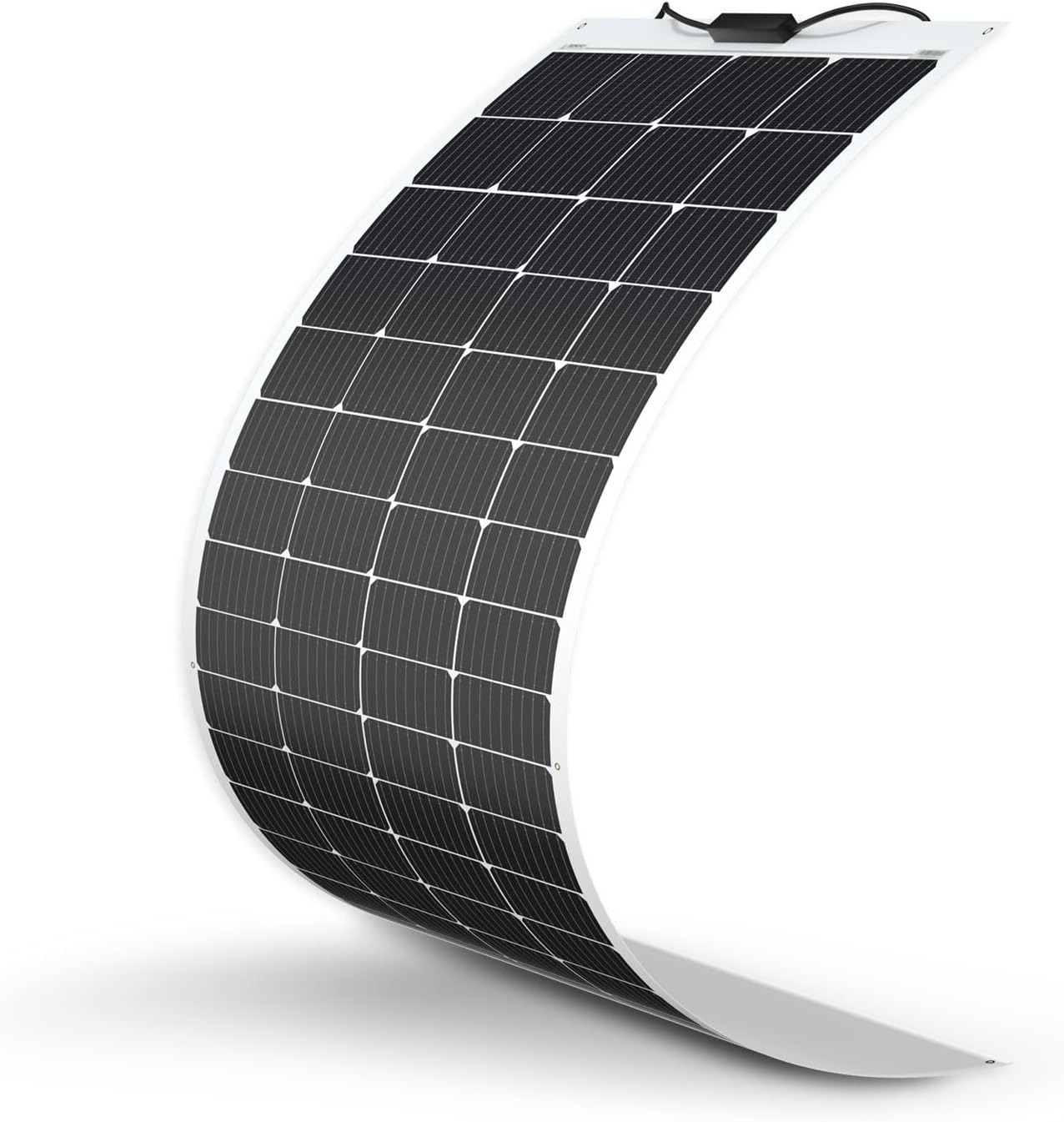
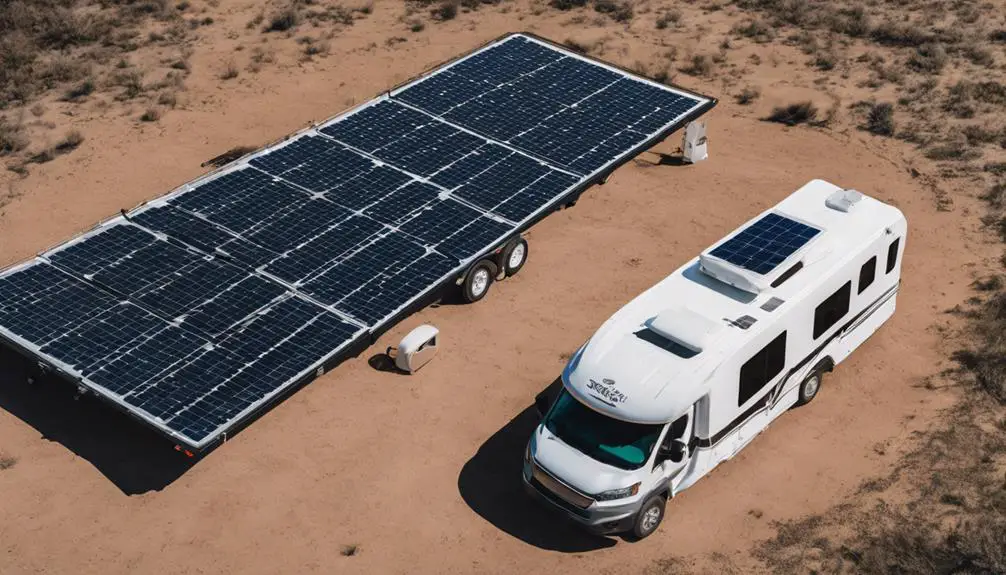
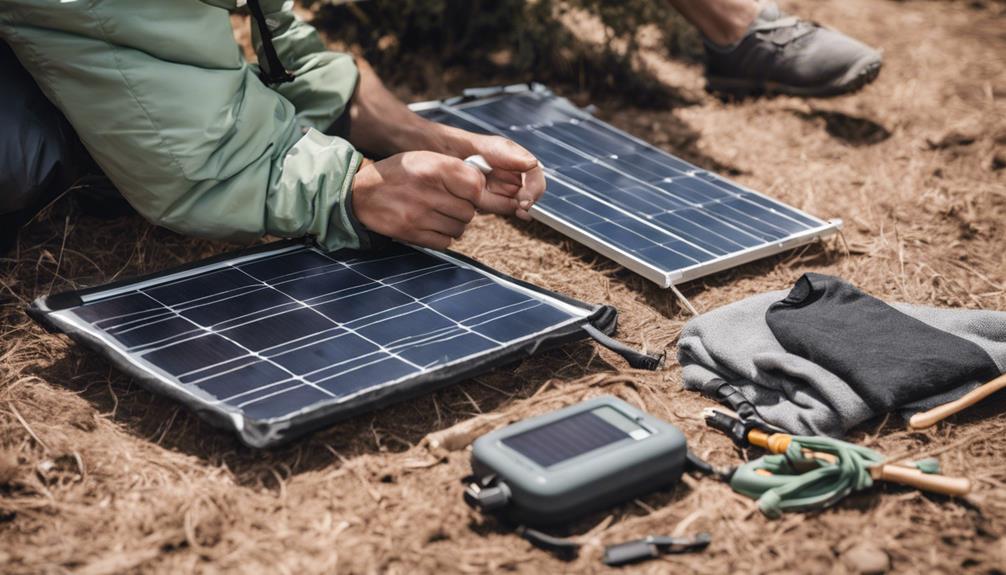
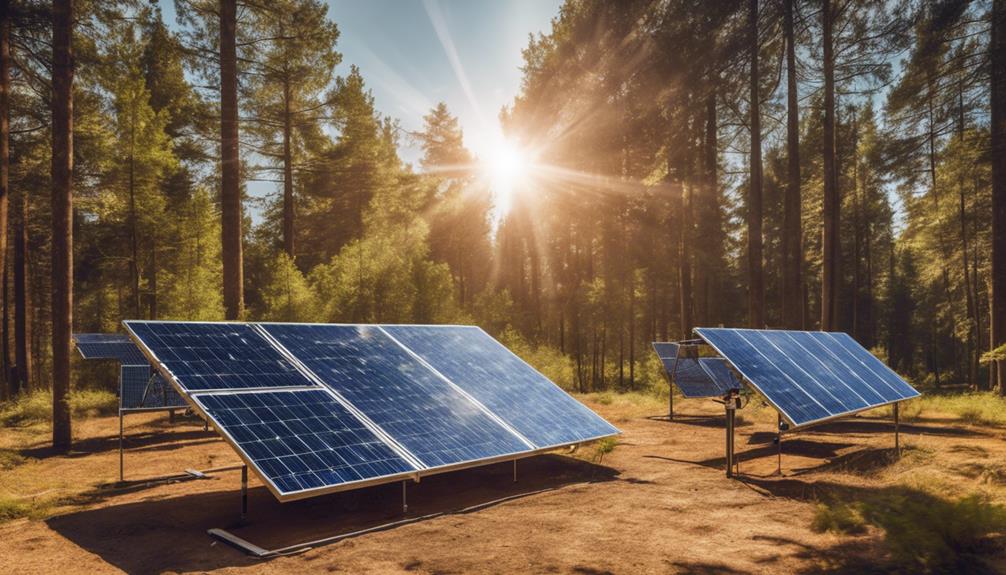
For those who want continuous off-grid power, combine a portable charger with a small foldable solar panel at the campsite. If your home solar battery storage supports 12 V or USB outputs, you can synchronize charging routines and test devices at home so you know estimated run times in the field. This integration is particularly useful for families who alternate between home energy independence and outdoor recreation, allowing you to apply the same sustainable power habits in both environments.
Practical use cases at the campsite
A camping portable power bank is versatile. For day hikers and car campers, it charges phones, GPS units, headlamps, cameras, and handheld radios. Over a weekend, multiple phone charges, a couple of hours of speaker or light use, and recharging wearable devices are realistic with a mid-range capacity pack. For longer stays, a larger portable battery charger for camping can run a small CPAP machine for a night, power an electric cooler on low settings, or keep a portable Wi Fi hotspot operational.
Beyond consumer electronics, portable chargers can support tools and emergency equipment. Emergency lighting during storms, powering a portable pump, or running a compact electric stove briefly are within the scope of higher-capacity models. When planning gear, calculate the wattage of each device and the anticipated hours of use to estimate required capacity. This practical exercise helps avoid overbuying weight or underestimating power needs.
Maintenance, safety and packing tips
Proper maintenance extends the life of a portable power charger and keeps it safe for outdoor use. Store batteries at partial charge over long periods to reduce degradation, and avoid exposing them to extreme temperatures. Use included charge management features and avoid cheap third-party cables that may not meet safety standards. For camping, pack the charger in a dry, ventilated spot and consider protective cases to prevent physical damage during transport.
Safety also means respecting weight and balance in your pack and being mindful of local rules about lithium batteries in certain parks or transportation. If you plan to recharge from portable solar at a campsite, position solar panels where they receive unobstructed sun and use appropriate charge controllers or adapters to protect the battery feed. Finally, test all your equipment at home solar battery storage or in a controlled setting before you rely on it in remote locations.
Choosing the right portable battery charger for camping involves balancing capacity, weight, and functionality. When paired with a well-managed home solar battery storage system, these chargers become dependable extensions of your energy setup, allowing you to enjoy the outdoors with the reassurance that essential electronics remain powered. With careful selection and preparation, a camping portable power bank will enhance safety, comfort and convenience on every trip.