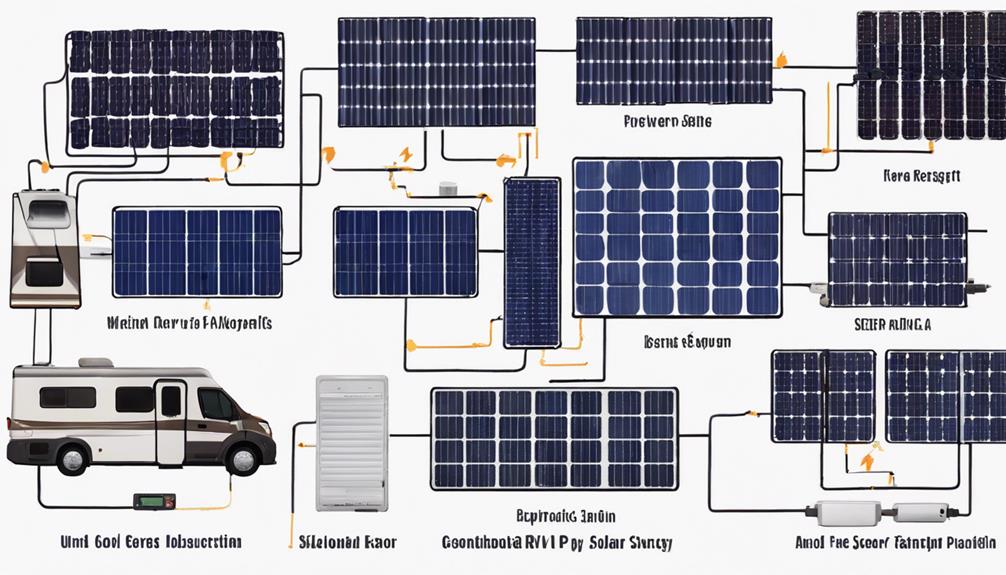
Portable solar power has become a practical option for keeping devices charged during travel, outages, and off-grid work. A notebook solar charger is a compact, renewable-energy solution designed specifically to power laptops and similar electronics. As homeowners increasingly adopt home solar battery storage systems, pairing a dedicated solar laptop charger with larger stationary batteries offers flexibility: you get quick mobility for your notebook and the resilience of a home battery system when you need sustained power. This article explains how notebook solar chargers work, practical use cases, and how to integrate them with home solar battery storage strategies. To extend uptime, integrate notebook solar chargers with home battery systems to store surplus energy.
How a notebook solar charger works and what to expect
A notebook solar charger typically consists of photovoltaic panels, a charge controller, and output ports designed to match laptop power requirements. Unlike small phone chargers, these units must supply higher voltages and currents to reach typical laptop input levels, often using DC outputs or USB-C Power Delivery. Many modern models incorporate MPPT (maximum power point tracking) controllers to improve efficiency in varying sunlight conditions. A solar laptop charger will convert sunlight into electricity that either directly powers the notebook, charges a portable power bank, or feeds into a larger home solar battery storage setup through appropriate inverters and controllers.
Practical use cases: travel, remote work, and emergency power
One of the most common reasons people choose a notebook solar charger is mobile productivity. Digital nomads and field engineers can keep working where grid power is unavailable. When paired with a high-capacity power bank, a solar laptop charger enables full-day work without needing an outlet. For homeowners with a home solar battery storage system, the charger can serve as an emergency supplement; during outages, it can keep essential devices running while the battery handles heavier loads like refrigerators and HVAC systems. Recreational users also benefit: campers and RV travelers can run laptops for entertainment, navigation, or battery management software while off-grid. In all these scenarios, a solar laptop charger brings silent, emission-free power directly to your devices.
Choosing the right solar laptop charger for your needs
Selecting a notebook solar charger requires matching the charger’s output to your laptop’s power requirements. Start by checking your laptop’s voltage and wattage specifications. Budget panels may list only wattage, while higher-end units provide adjustable voltages or PD output that adapts to your device. If your laptop uses USB-C Power Delivery, choose a solar laptop charger that supports PD at the required wattage. For traditional barrel-jack laptops, look for a model with the correct tip or an adjustable DC output. Consider the panel’s efficiency and size: more efficient monocrystalline panels produce more power in less space, while larger foldable panels increase output but reduce portability.
Integrating a notebook solar charger with home solar battery storage
Integrating a solar laptop charger with a home solar battery storage system expands flexibility. Portable panels can charge a mobile battery pack that, in turn, can either power a laptop or feed energy into the home battery via a compatible inverter and charge controller. This configuration is particularly useful when the home battery is fully charged or when you want to keep the larger system reserved for critical loads. For homeowners managing their own solar arrays, using a dedicated feed-in point or transfer switch ensures that energy from portable panels is routed safely. An appropriate inverter is essential if you plan to convert DC power to AC for general home use; otherwise, DC-to-DC converters can efficiently charge the notebook directly from the battery bank. solar notebook charging complements a portable power station with AC outlet for reliable laptop power during outdoor use.
Installation, maintenance, and safety considerations
Using a notebook solar charger safely involves a few straightforward steps. Always secure panels at an angle that maximizes exposure to sunlight and prevents wind damage. Keep connectors clean and dry; corrosion reduces efficiency and can cause faults. When linking a solar laptop charger to a home solar battery storage system, use certified charge controllers and follow manufacturer wiring diagrams to prevent overcharging or backflow. Use fuses or breakers sized appropriately for the maximum expected current, and keep all connections insulated. For households with children or pets, mount panels and cables out of reach. Lastly, consider weatherproofing if panels are left outdoors for extended periods.
Comparing portability, capacity, and cost
Not all solar laptop chargers are equal. Smaller foldable units prioritize portability and are ideal for commuting or short trips. These are generally less expensive but might not sustain heavy laptop use without supplemental power banks. Larger portable arrays and rigid panels deliver higher output suitable for continuous remote work or rapid charging of power banks, but they add weight and bulk. Cost varies widely based on panel type, included electronics, and brand reputation. When integrating with home solar battery storage, factor in additional components like DC-to-DC converters or an inverter to ensure compatibility. Investing in slightly higher-quality equipment often pays off through better efficiency, longer lifespan, and safer integration with a home battery system.
Choosing the right notebook solar charger depends on your workflow, mobility needs, and how you plan to integrate it with home solar battery storage. Whether you want a compact solar laptop charger for travel or a robust portable panel that complements your home battery during outages, matching power requirements and understanding system compatibility are the keys to reliable performance. With proper selection and safe installation, a notebook solar charger is an effective way to keep essential computing devices powered by clean, renewable energy.